


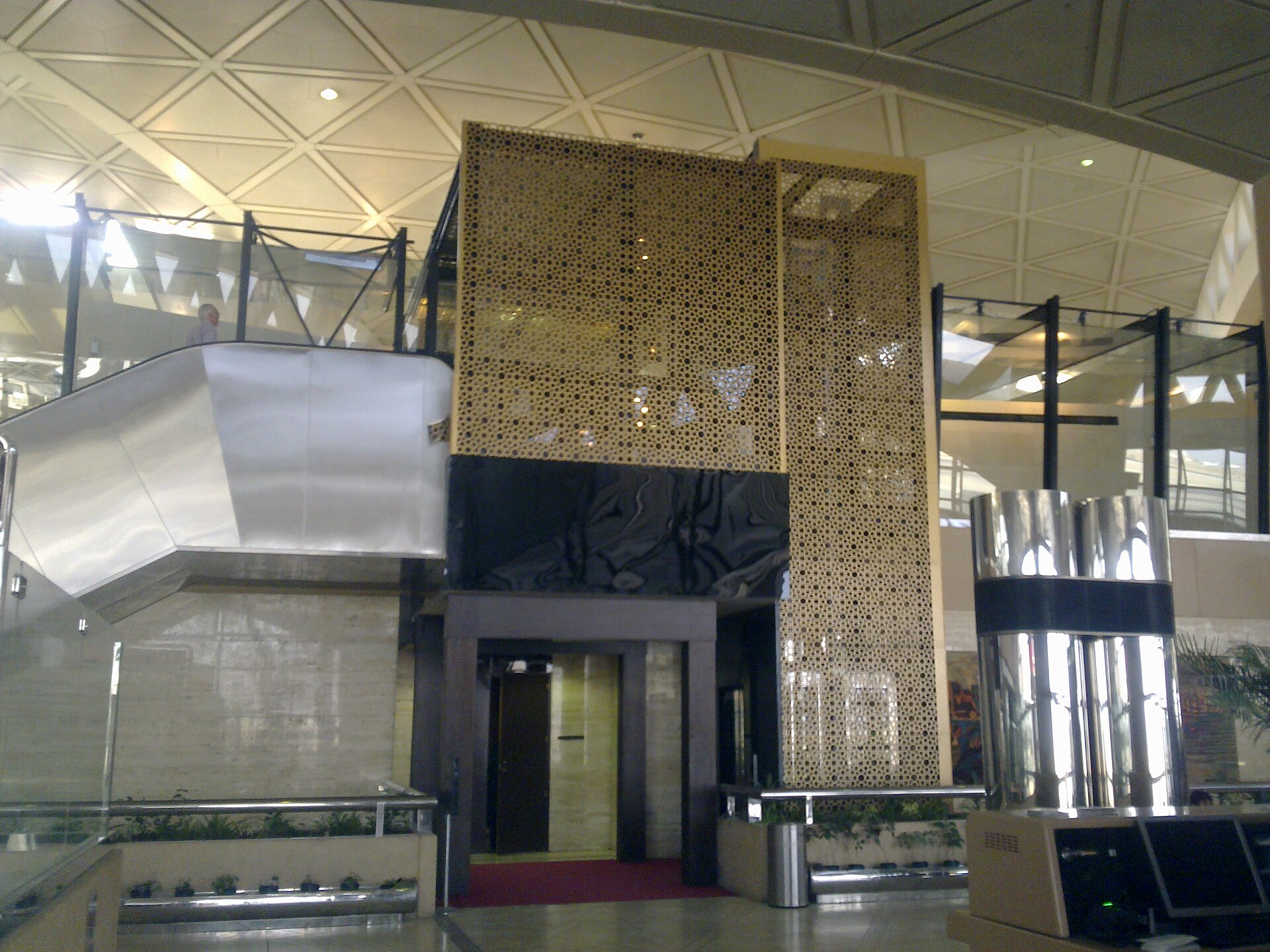
Corporate travel to Saudi Arabia has effectively ground to a halt as Houthi militia attacks continue to disrupt the kingdom’s aviation infrastructure. Industry executives report that almost all business flights to the region are paused, with Riyadh’s King Khalid Airport remaining closed to scheduled commercial traffic since a missile strike on October 10.
The attack, which killed at least 13 people and injured more than 300, triggered a security lockdown that requires prior permission from the General Authority of Civil Aviation (GACA) for every flight. According to Flightradar24 data, no passenger flights have sought this permission, leaving the capital isolated from global air routes.
Rerouting Through Neighboring States
Travelers stranded in the kingdom are resorting to lengthy overland journeys to reach neighboring Gulf countries. Subair Thekepurathvalappil, senior manager at UAE-based travel agency Wise Fox Tourism, told Skift that no new travel is being initiated to the kingdom.
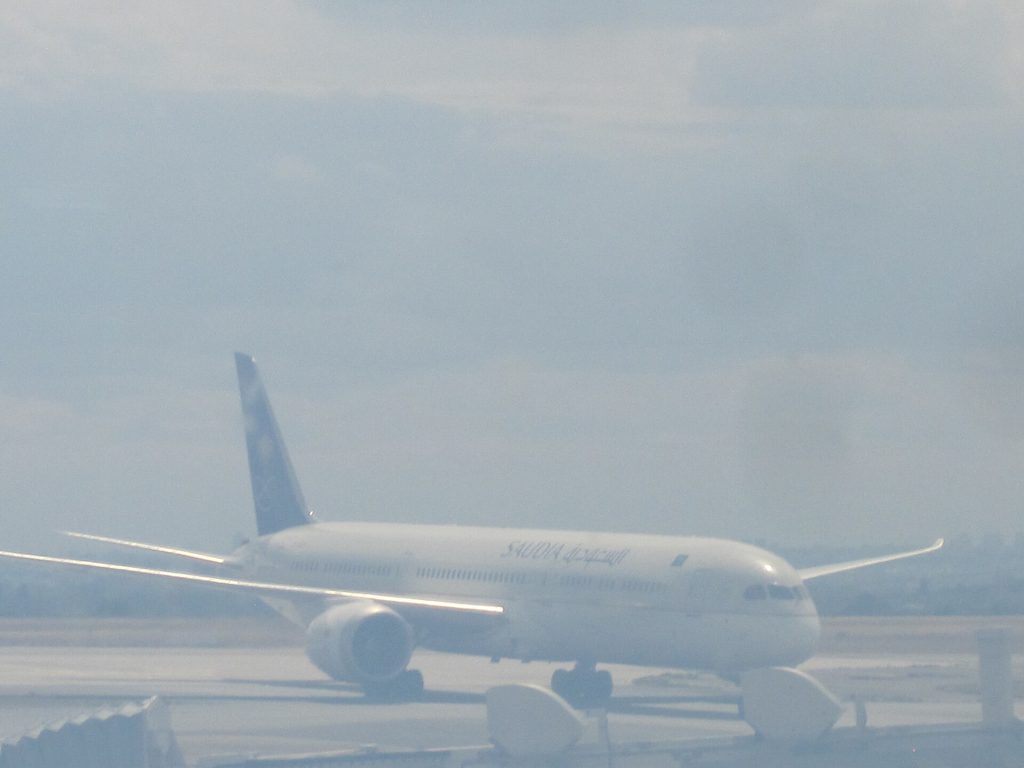
“Those who have gone to the kingdom are trying to return to the UAE by traveling to neighboring Bahrain by road and flying back from there,” Thekepurathvalappil said. He noted that other travelers are driving from Riyadh to Dammam, a four-hour journey, before continuing by road for another seven hours to reach the UAE.
Umrah pilgrims are also avoiding air travel. The majority are now traveling by road to Makkah and Madinah, bypassing the disrupted airport network entirely.
Impact on Business Events and Vision 2030
The disruption poses a significant challenge to Saudi Arabia’s Vision 2030 goals, which aim to attract 150 million visitors annually. The kingdom has postponed its flagship Future Investment Initiative conference to 2027, alongside the Red Sea Film Festival, an EU-Gulf summit, Intersec Saudi Arabia, and the Saudi Retail Forum.
Mohanad Nada, Gulf head at travel firm Tumodo, reported that 50% of his company’s corporate bookings to Saudi Arabia were canceled in the last 10 days. Another 30% were rescheduled, while only 20% remained confirmed. Cirium data shows bookings to Riyadh for November and December are down 23.8% year over year, compared to a modest 1.3% drop for Jeddah, which remains fully operational.
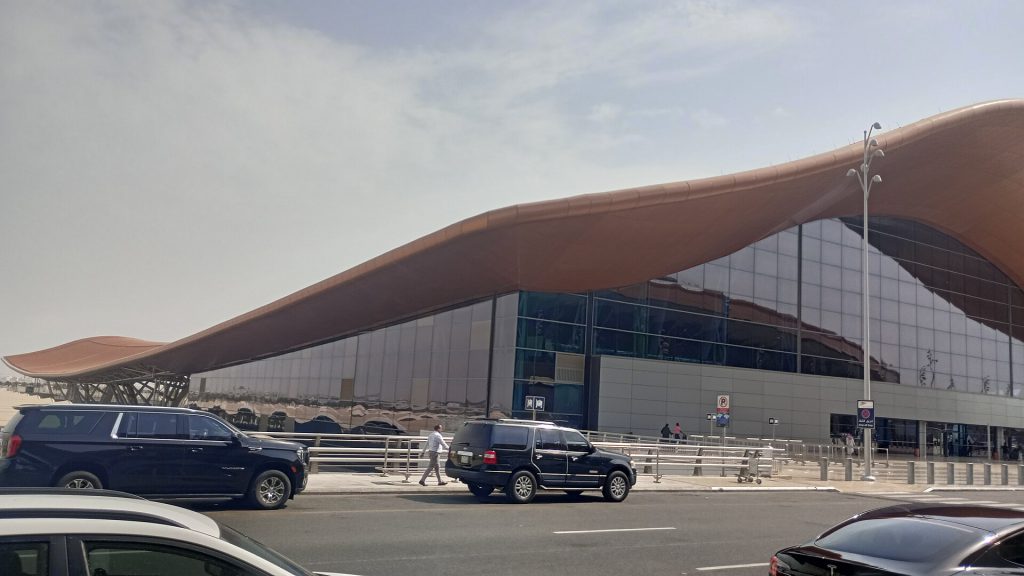
The cancellations are beginning to spread across the wider Gulf region. Nada noted that refund rates in the UAE have risen from about 10% to 12% this month as the uncertainty persists.
The prolonged closure of Riyadh’s main airport threatens to undermine the kingdom’s reputation as a reliable host for international business tourism. With the events season pushed into 2027, the economic impact on the hospitality and conference sectors is expected to grow as the standoff continues.
Source: Skift
