


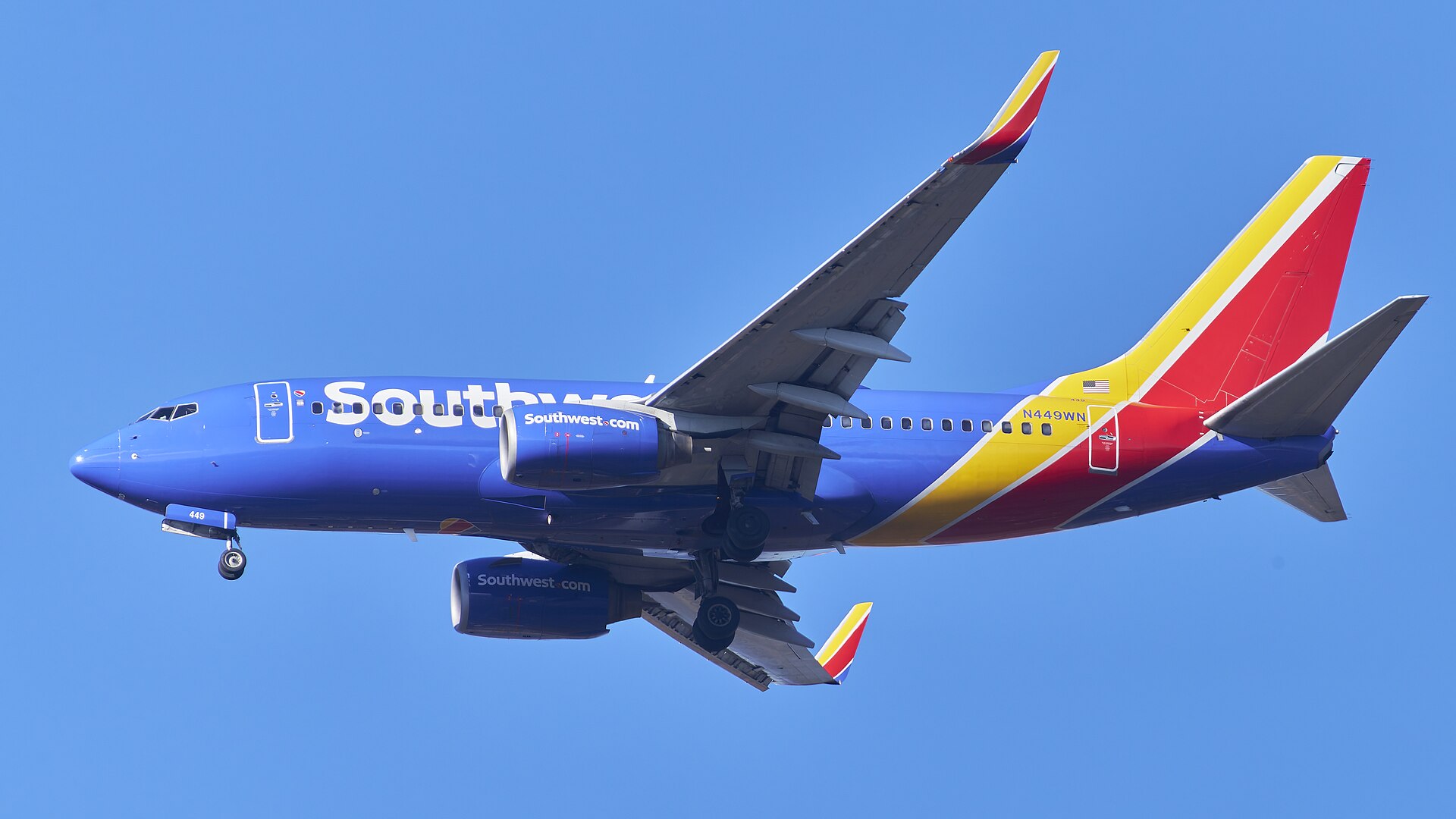
Southwest Airlines has significantly reduced its full-year earnings guidance for 2026, citing unpredictable and rising fuel costs as the primary driver. The carrier now expects adjusted earnings of $2.60 to $2.85 per share, a sharp decline from its July projection of $3.25 to $4.25 per share. This adjustment marks the third major US airline to lower its financial outlook this month, reflecting broader industry struggles with macroeconomic volatility.
Jet Fuel Costs Impact Cash Flow
The airline reported that fuel expenses have surged to approximately $1 billion per quarter. These costs are directly linked to global supply disruptions stemming from geopolitical conflicts, including the war in Ukraine and operations in the Middle East. CEO Bob Jordan stated in the third-quarter report that demand remains strong, but the financial strain from energy prices is undeniable.
“Robust demand continued in the fourth quarter, and we are seeing encouraging progress across our product and loyalty initiatives,” Jordan said. “We remain confident in our ability to further strengthen earnings, improve returns, and expand margins over time.”
Despite the lower profit forecast, the carrier maintains that customers will continue to book flights. The airline is passing some of these increased costs onto consumers through higher domestic airfares. This strategy has become more viable following the market exit of ultra-low-cost competitors, which has reduced price competition on many routes.
Spirit Airlines Exit Reshapes Market
The liquidation of Spirit Airlines has removed a significant competitive floor from the domestic aviation sector. Industry observers have long noted the “Spirit Effect,” where the presence of a low-cost carrier forced other airlines to keep fares down. With Spirit gone, legacy carriers like Southwest, American, and United have greater leeway to adjust prices upward without losing business to budget rivals.
Smaller carriers such as Frontier and Breeze are also scaling back services due to high fuel bills and limited gate access. This consolidation of market power allows major airlines to shift the burden of rising operating costs directly to passengers. For many travelers, commercial aviation functions as an inelastic utility, meaning they must absorb fare hikes due to a lack of viable alternative transportation options.
Southwest has been undergoing a structural transformation, moving away from its traditional low-cost model. Driven by activist investor Elliott Management, the airline has introduced premium seating, assigned seating, and baggage fees. These changes aim to increase revenue and profitability as the carrier navigates a challenging economic landscape. The airline is also exploring the potential addition of widebody aircraft for long-haul flights, signaling a shift toward a full-service legacy model.
Long-term energy forecasts indicate that jet fuel prices will remain elevated through 2027. This prolonged period of high costs poses an existential threat to remaining ultra-low-cost carriers. If these budget brands continue to retreat or exit the market, major airlines will gain unprecedented leverage over fare prices, further entrenching the current pricing environment.
Source: Simple Flying
