



HSBC has launched its first stablecoin, HSBC RedCoin (RCHKD), in Hong Kong, according to a press release issued on Friday, October 23. The bank stated that the Hong Kong dollar-denominated asset is built specifically for everyday payments and transactions.
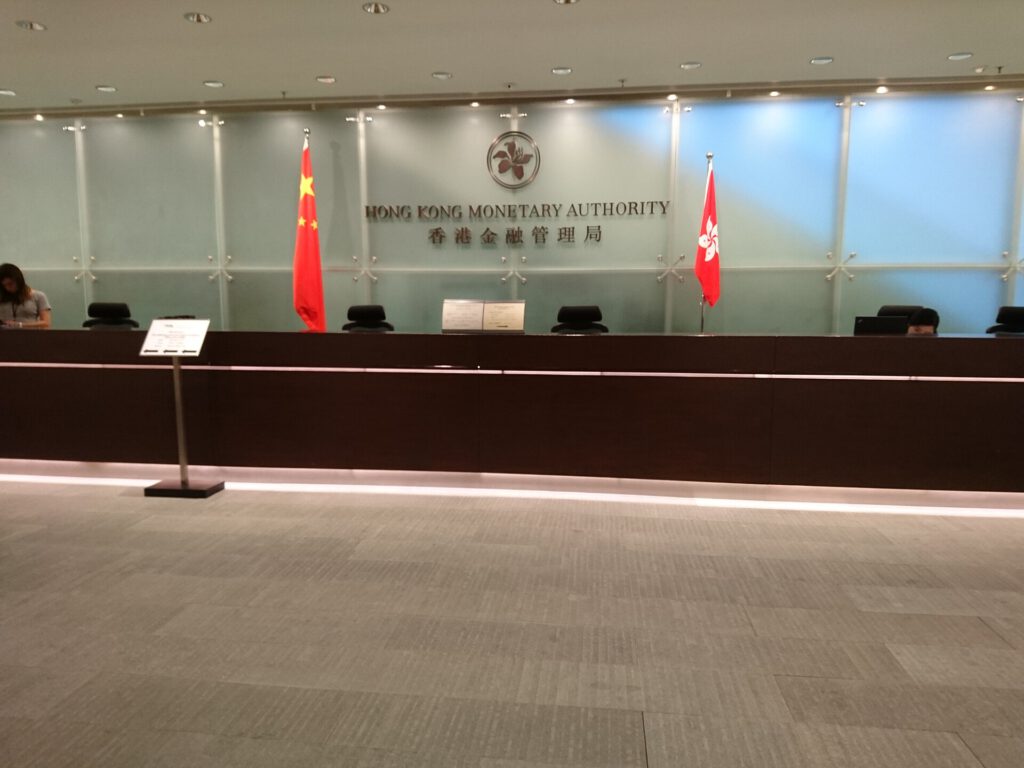
The stablecoin is licensed and regulated by the Hong Kong Monetary Authority (HKMA). It became available on the bank’s digital wallet, PayMe, on Friday, the release said.
PayMe Integration and Merchant Network
Once users activate a stablecoin wallet within the PayMe application, they can send stablecoins instantly to friends and family. The release indicated that users can also pay directly with stablecoins at more than 100,000 merchants.

Maggie Ng, CEO of Hong Kong and head of retail banking and wealth at HSBC, addressed the shift in financial infrastructure in the release. She noted that money, assets, and information are moving from traditional systems to always-on, data-rich, and increasingly programmable digital networks.
Ng added that HSBC aims to help customers in Hong Kong manage this shift with practical products and services that support the real economy, backed by the trust and security of a global bank.
Future Expansion and Corporate Use
HSBC plans to expand these capabilities later this year. The bank intends to include stablecoin wallet functionality in the HSBC HK Mobile Banking App. The release also stated that users will be able to subscribe to tokenized investment products via HSBC RedCoin.
John O’Neill, managing director of digital assets and currencies at HSBC, described the launch as only the beginning. He said the bank will soon add more products, including expanding into wholesale corporate and institutional use cases.
This launch follows other recent developments in the bank’s digital asset strategy. PYMNTS reported on October 1 that HSBC offers a Tokenized Deposit Service. This service allows participating corporate customers to convert deposits into digital tokens and move those funds between blockchain wallets in real time, 24/7. The tokens remain digital records underlying commercial-bank deposits rather than becoming separate crypto assets.
In August, HSBC and Standard Chartered announced they completed the first interbank transaction executed on Swift’s blockchain-based ledger. The companies said this live cross-border transaction demonstrated interbank operability and helped advance industry progress on 24/7 cross-border payments. They stated that the transaction marked a milestone in the use of tokenized deposits by regulated financial institutions to issue, transfer, record, and settle tokenized deposits through Swift’s blockchain-based ledger.
Source: PYMNTS
