


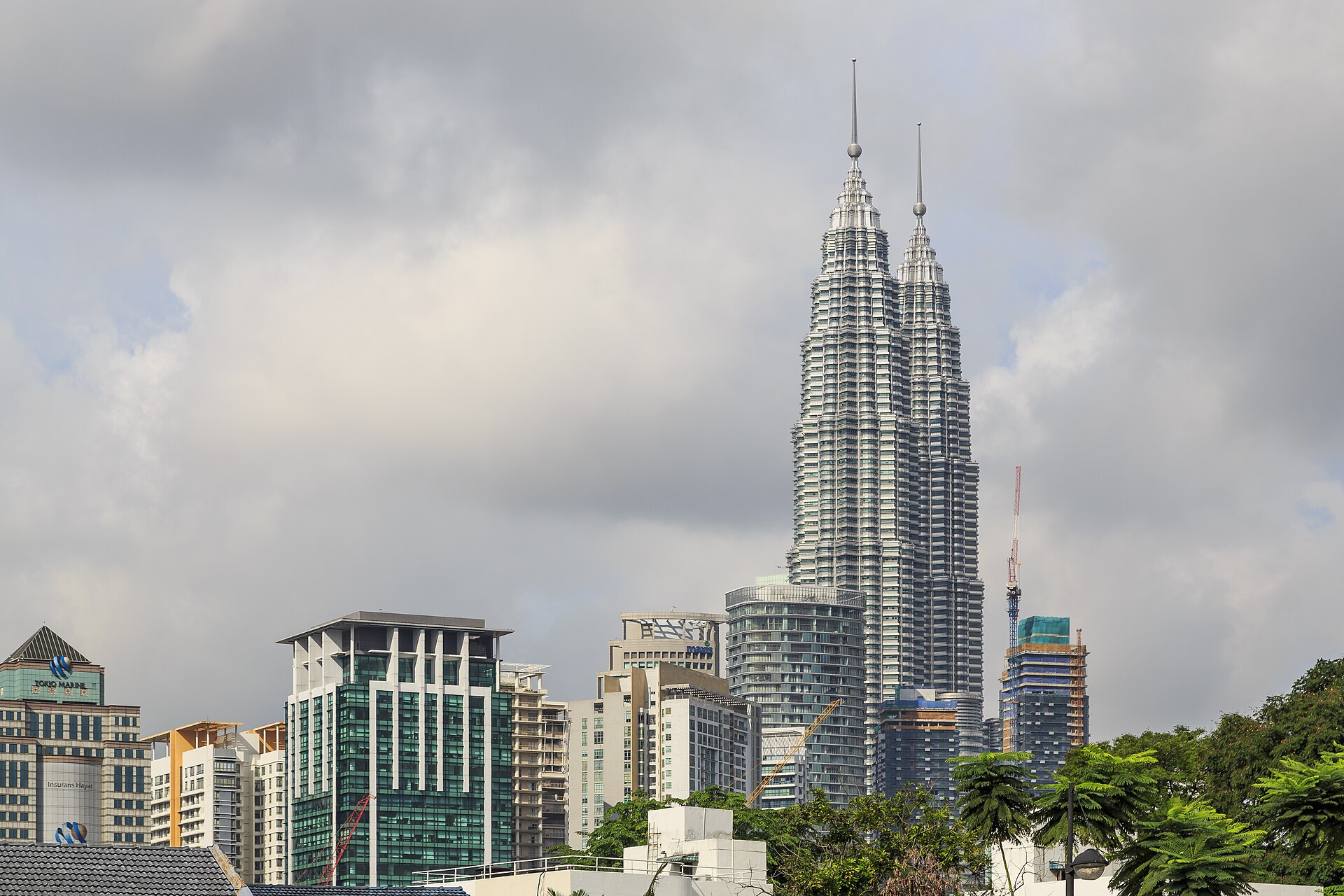
Haze from Indonesian forest and peatland fires has settled over Southeast Asia, disrupting travel plans and casting a shadow on Malaysia’s tourism recovery. The environmental crisis has already triggered domestic flight cancellations in Indonesia and forced changes to itineraries in Singapore and Malaysia.
Mohd Khalid Harun, president of the Malaysia Tourism Agency Association (MATA), confirmed that inbound tour operators are reporting reduced bookings and cancellations, particularly for November travel. While MATA has not yet released consolidated national figures on occupancy or cancellation rates, the trend signals a significant setback for the region’s hospitality sector.
Indonesia Flight Disruptions and Regional Impact
The haze is not an isolated issue affecting only Malaysia. Indonesia’s Transportation Ministry recorded 2,604 domestic flights affected between August 11 and October 19. This figure includes 1,420 cancellations or postponements, highlighting the severity of the air quality crisis across the archipelago.
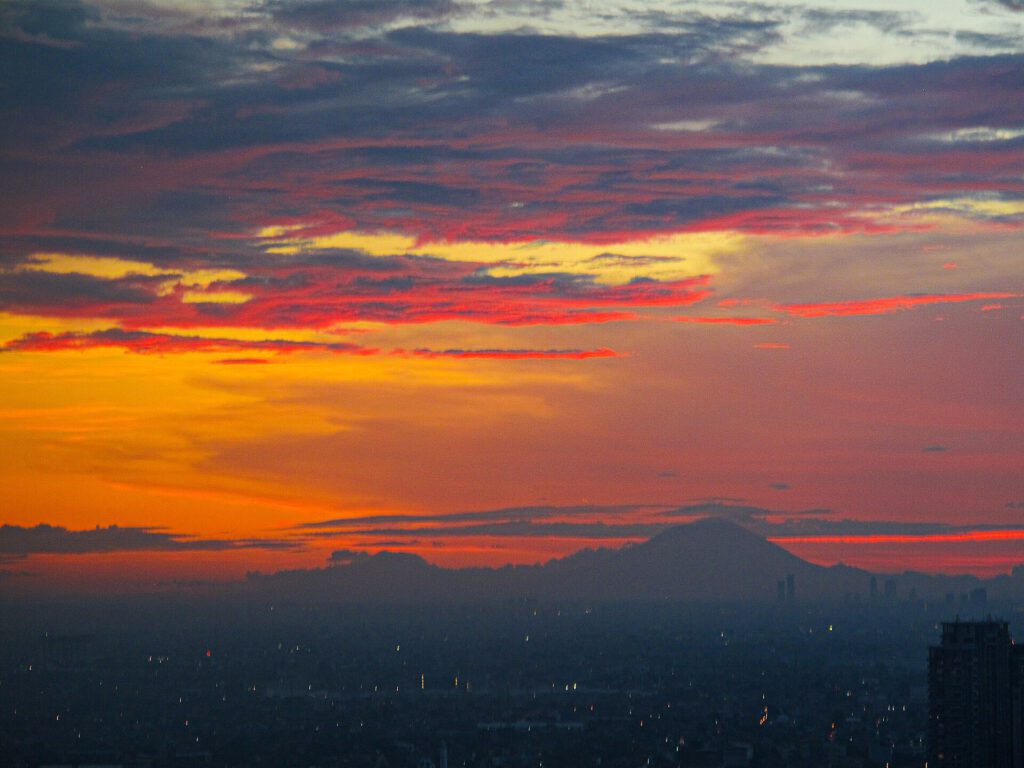
Singapore is also experiencing the fallout. Sightseeing programs in the city-state are being shortened or moved indoors to protect visitors from hazardous air conditions. The widespread nature of the haze underscores the interconnectedness of Southeast Asian tourism and how environmental factors in one nation can ripple across borders.
Malaysia’s Unreachable 47 Million Target
The timing of the haze is particularly damaging for Malaysia. The country’s tourism promotion board, Visit Malaysia, set a target of 47 million international visitors for 2026. However, this goal was already out of reach before the current environmental crisis began.
Data from January to August shows Malaysia recorded 28.8 million international visitors, a modest 1.8% increase year over year. To meet the 47 million goal, the country would need 18.2 million arrivals from September to December. This requirement represents roughly 31% more visitors than the same period last year, a growth rate that has proven difficult to sustain even without external disruptions.

Operators are adapting rather than stopping completely. Destination Asia, for example, has suspended houseboat cruises in Tanjung Puting National Park in Kalimantan. Instead, the company is offering alternative destinations in Java, Bali, Lombok, or Komodo. These adjustments allow the industry to remain active while mitigating the impact of poor air quality in the most affected areas.
The haze serves as a stark reminder of the vulnerabilities facing the tourism industry. As climate-related events become more frequent, destinations must balance environmental challenges with economic stability. For Malaysia, the year-end performance will depend on whether travelers rule out more than the worst-hit areas or avoid the region entirely.
Source: Skift
