


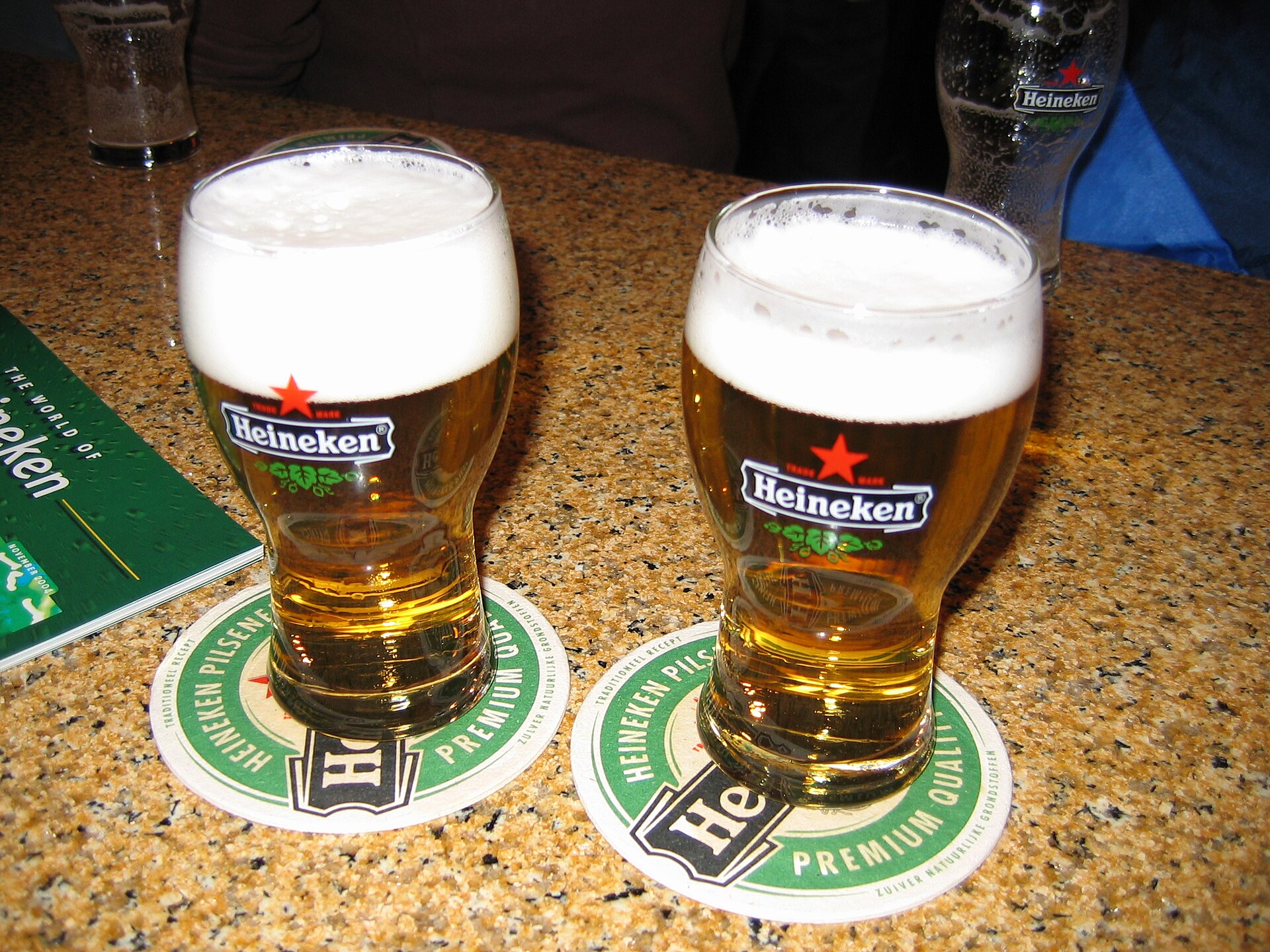
Heineken has issued a warning to British pubs and bars that the growing popularity of weight-loss medications could lead to a decline in beer and cider sales. The world’s second-largest brewer shared this assessment in a presentation sent to hospitality customers earlier this month, according to a report by Reuters.
The document highlighted that GLP-1 medications, including Ozempic and Wegovy, may reduce the desire to consume alcohol. This shift in appetite could result in customers ordering fewer pints and feeling full more quickly, potentially ending the tradition of multi-pint drinking sessions.
Strategies for UK Hospitality
To counteract these potential losses, Heineken advised venues to adapt their offerings. Suggestions included promoting half-pint serves, expanding low- and zero-alcohol options, and pairing drinks with small plates of food. The brewer cautioned that failing to adjust could lead to declines in customer visits and spending.
A Heineken spokesperson stated that the company is observing changes in consumption behavior among users of these drugs. The spokesperson noted that consumer behavior is evolving in response to broader trends, with GLP-1 being one of several developments the company is monitoring closely.
Heineken emphasized that its latest consumer research suggests users are not simply replacing alcohol with other substances. Instead, they are becoming more purposeful in their choices, opting for smaller serves, lower alcohol drinks, and more premium products. The company described these behaviors as part of a wider shift toward health, moderation, and intentional consumption.
Market Context and Competitor Views
The use of GLP-1 medications has surged as consumers seek solutions for weight loss. Research by JP Morgan indicated that 10 million people in the United States turned to such medication last year. Surveys by research firms including Circana, NIQ, and KAM have also pointed to reduced drinking among users of these drugs.
Heineken’s financial exposure in the UK is significant. The company reported almost £14 billion in sales of beer in British pubs, bars, and restaurants in the year to February. Less than £300 million of that total came from no- and low-alcohol products, highlighting the current dominance of traditional alcoholic beverages in the market.
Other major beverage companies have offered different perspectives on the issue. Diageo, the maker of Guinness, told investors that any impact from GLP-1 drugs becoming mainstream should be manageable. Carlsberg told Reuters that its data did not support the view that weight-loss drugs were affecting beer consumption trends.
Heineken clarified that the presentation was shared as part of its regular engagement with UK businesses to help them understand evolving consumer habits. The company owns several brands beyond its eponymous lager, including Amstel, the Mexican lager Sol, and Strongbow cider.
The brewer stated it will continue to monitor how these behaviors evolve in 2027. The advice to UK pubs reflects a proactive approach to a changing market where health-conscious consumption is increasingly influencing traditional drinking patterns.
Source: The Guardian
