



Serbians are casting ballots in parliamentary elections that have become a referendum on the decade-long rule of Aleksandar Vucic. The snap vote, called by the former president in September, places him in a tight race against the Student List, a movement born from mass protests against perceived corruption and authoritarianism.
The political landscape shifted dramatically after a train station canopy collapsed in Novi Sad in 2024, killing 16 people. The disaster, widely blamed on government negligence, ignited nearly two years of student-led demonstrations. These protests have since evolved into a formal political challenge, with the Student List fielding 250 candidates to contest the election.
A Tight Race in the Balkans
Recent polling suggests a close contest. An Ipsos poll published on Thursday placed Vucic’s Serbian Progressive Party at 47 percent, with the Student List at 40 percent. However, other surveys have indicated the student movement could be ahead, reflecting the volatility of the campaign.
Vucic, who resigned as president in September to run for prime minister, remains a formidable incumbent. Supporters credit him with pulling Serbia out of economic obscurity and overseeing a period of sustained modernization. During the campaign, he has promised higher pensions, increased public sector salaries, and subsidies for young couples.
His foreign policy has balanced closer ties with China and Russia, Serbia’s traditional ally and main natural gas supplier, while keeping the door open for European Union membership. Relations with the EU have frayed under his leadership, with Brussels expressing frustration over a lack of judicial and anti-corruption reforms.
The Student List Challenge
The Student List presents a different agenda, focusing on rooting out corruption and improving the education system. The movement has said little about international ambitions, instead highlighting domestic governance issues. Their roster includes university professors, actors, and farmers, led by cardiologist Ilija Srdanovic.
Mario Bikarski, a senior Europe analyst at risk consultancy Verisk Maplecroft, described the election as a watershed moment. He noted that the Student List is mounting the biggest challenge against Vucic yet, signaling a potential profound political shift in the Balkan nation of six million people.
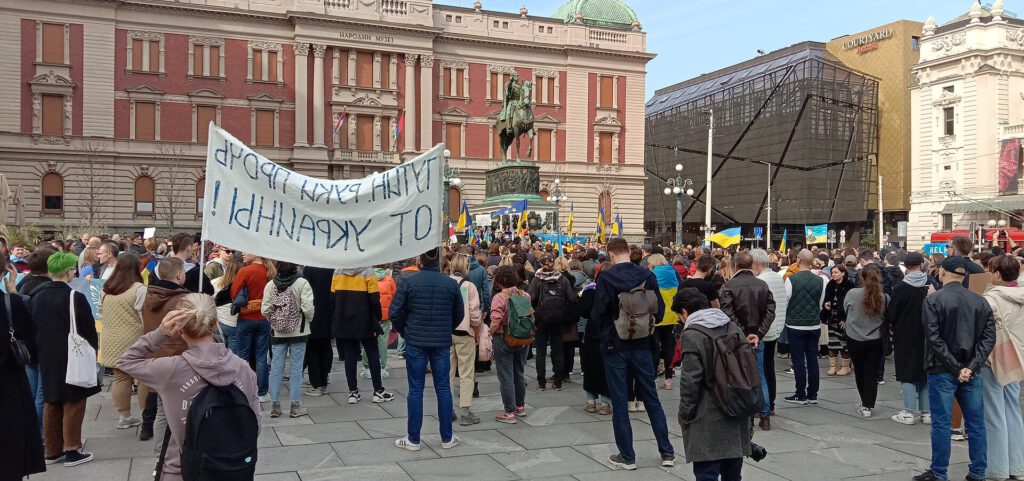
Tensions have remained high throughout the campaign. Rights groups and activists claim repression has worsened since the Novi Sad tragedy. About 150,000 supporters of the student movement rallied in central Belgrade on Thursday, demonstrating continued public engagement.
Vucic and his party have denied accusations of repression, corruption, and spying on opponents. The former president has also alleged that the students are funded by foreign agents in Croatia and Montenegro, charges the movement denies.
The outcome of this election could reshape Serbia’s political trajectory. A loss for Vucic would mark a significant departure from the status quo, reminiscent of recent political shifts in neighboring Hungary. Voters now hold the power to decide whether to retain the current leadership or embrace the anti-establishment platform of the student movement.
Source: Al Jazeera
