


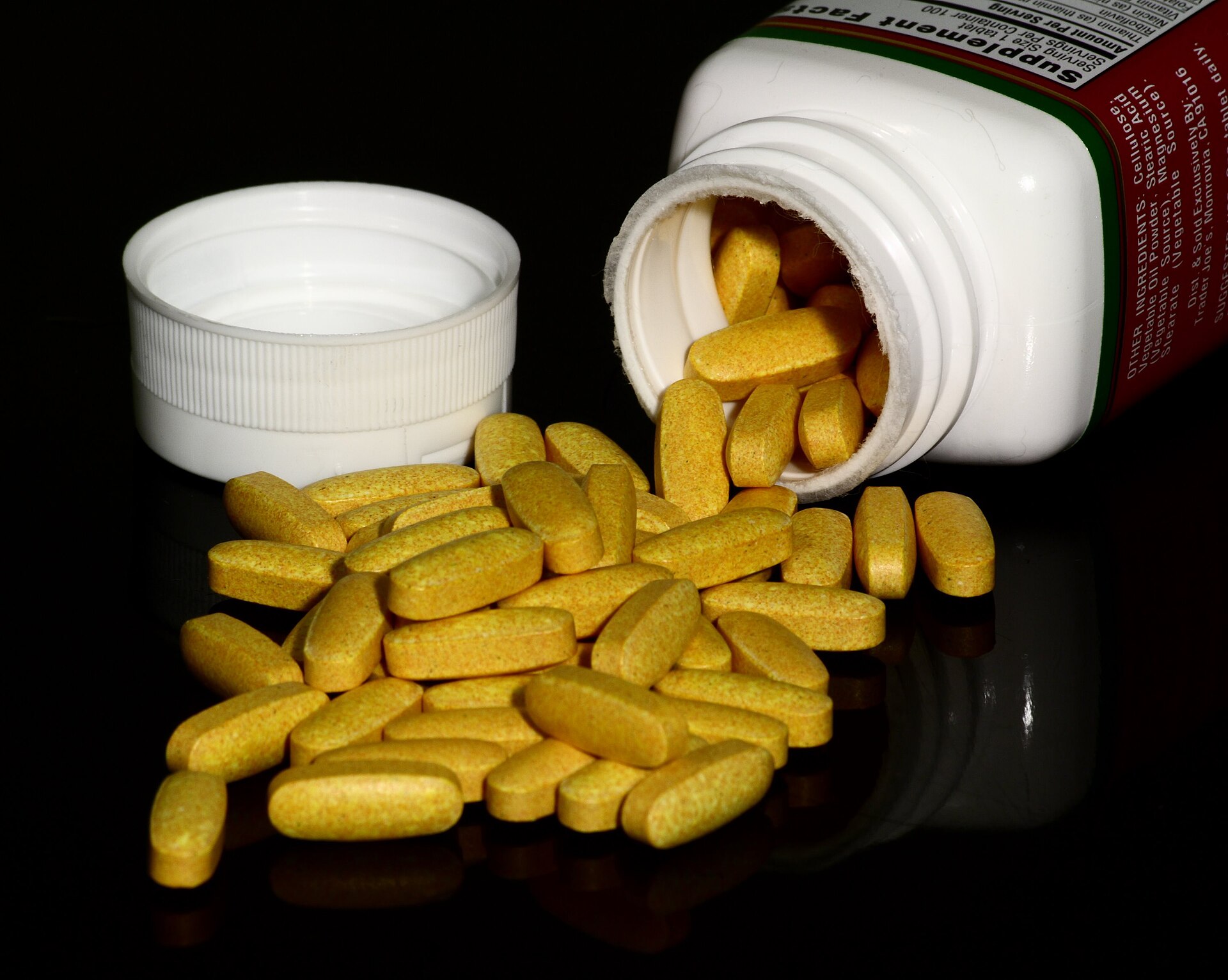
A doctor advising several Trump cabinet members recently described having urine the color of Mountain Dew, attributing the bright hue to a diet consisting entirely of meat and fermented foods. While this specific claim highlights how extreme dietary choices can alter bodily functions, medical professionals emphasize that urine color is a common and often harmless indicator of what the body is processing.
Urine is naturally a shade of yellow due to urobilin, a pigment produced by gut bacteria. The intensity of this color depends largely on hydration levels. When fluid intake is high, urine becomes lighter and more diluted. Conversely, it tends to be darker in the morning or during periods of dehydration. However, relying on toilet charts to determine health status is considered imprecise by many specialists.
Supplements and Diet Impact Color
The kidneys constantly filter blood to remove excess water and waste products. Their primary goal is to maintain a precise balance of fluid, minerals, salts, and acid in the bloodstream. When the body consumes more water-soluble nutrients than it needs, the excess is excreted. This includes by-products from food breakdown, medications, and the majority of vitamins and supplements.
B vitamins, particularly riboflavin, are well-known for turning urine a fluorescent yellow. This is a harmless side effect indicating that the body is eliminating what it does not require. Other foods can also alter urine color. Rhubarb may cause a reddish-brown tint, while beets can produce a festive pink hue. Digesting large amounts of beef might make urine more acidic without changing its visible color.
Sharon Moe, a nephrologist at Indiana University School of Medicine, notes that healthy kidneys are highly efficient. They cannot be easily overridden by external factors. If you consume excess nutrients, your body simply flushes them out. “If you get super fluorescent or super red, you’re eating too much of something or taking too many supplements,” Moe said.
When to Seek Medical Attention
For most healthy individuals, changes in urine color are not an emergency. However, there are notable exceptions. People with existing kidney disease or those experiencing other symptoms such as new pain, rashes, or severe leg swelling should seek medical evaluation. These changes could signify an underlying medical problem.
If you notice a strange urine hue, experts recommend a systematic troubleshooting approach. First, stop taking any supplements. If the color returns to normal, the supplements were likely the cause. If not, eliminate brightly colored foods from your diet. It is also important to review your medication list. Some drugs cause harmless urinary color changes, but you should never stop prescribed medicines without consulting a clinician.
Red or brown urine requires attention if it persists after ruling out dietary and medication causes. This color can indicate bleeding in the kidneys, bladder, or urinary tract. A simple urine test can help a clinician assess the situation. For menstruating individuals, distinguishing between menstrual blood and urinary blood can sometimes be challenging. In such cases, professional medical advice is recommended.
Foamy urine can also be a sign of kidney issues. While a few bubbles are normal, foam resembling a beer head suggests protein is leaking from the kidneys. Other warning signs include a sweet or foul odor, significant changes in frequency, or cloudy urine. Although urine changes can sometimes herald kidney problems, most chronic kidney disease is invisible. Approximately 37 million US adults have the condition, but only one in ten is aware of it.
Prevention remains the best strategy for maintaining kidney health. Experts advise keeping blood pressure in a healthy range and eating a balanced diet rich in fruits and vegetables, with meat consumed in moderation. Regarding the extreme meat-based diet mentioned earlier, Moe stated clearly, “The carnivore diet is not a healthy diet.”
Source: The Guardian
