


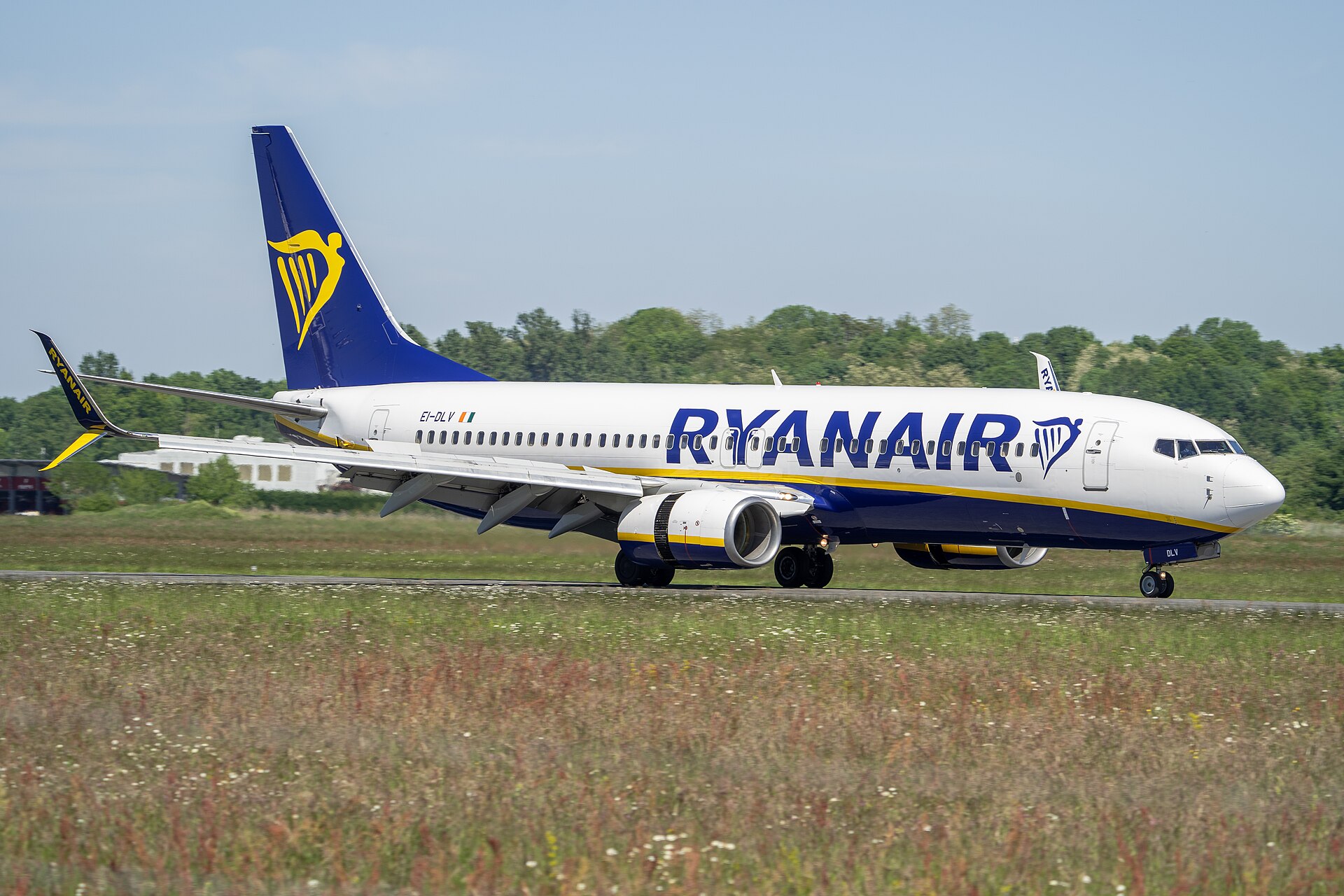
Passengers aboard a Ryanair flight intended for the United Kingdom experienced an eight-hour journey that ended with the aircraft returning to its original departure point in Spain. The incident involved two separate diversions caused by severe weather conditions, leaving travelers more than 1,000 miles from their final destination.
The flight, identified as Ryanair 2955, began its route from Alicante-Elche Airport (ALC) with plans to land at Cornwall Newquay Airport (NQY). However, adverse weather forced the aircraft to divert to Dublin Airport (DUB) shortly after departure. This initial diversion set the stage for a prolonged disruption that would span several hours and cross multiple countries.
Weather Forces Second Diversion to Alicante
On Saturday, October 24, the aircraft departed Dublin with a new plan to land at Bristol International Airport (BRS). Passengers were informed that they would be transported to Newquay by bus upon arrival in Bristol. The jet climbed to a cruising altitude of 27,000 feet as it headed toward the English coast.
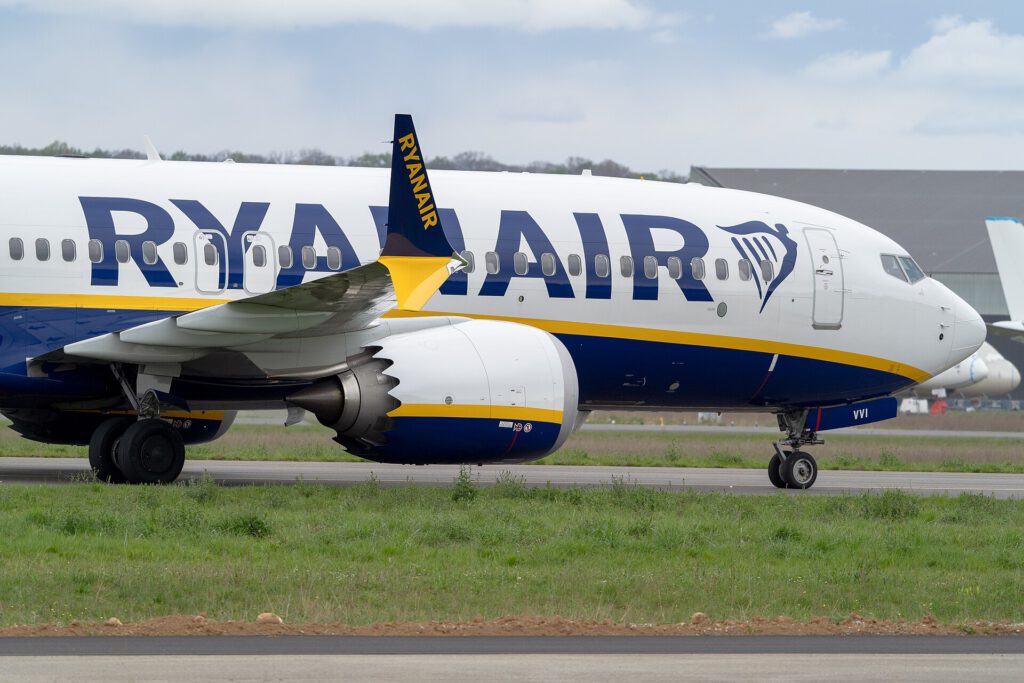
As the aircraft approached Bristol, the crew received reports of challenging weather conditions. Before descending below 20,000 feet, the flight crew aborted the landing attempt. The plane entered a holding pattern over the English Channel while the crew evaluated alternative options. The aircraft climbed to a higher altitude and turned south to assess operational viability at various regional airports across the United Kingdom.
After a U-turn and further assessment, persistent weather conditions made it impossible to land safely in the UK. The crew made the decision to divert to Alicante, the aircraft’s home base. The Boeing 737-800 touched down in Alicante at 2:15 AM local time, completing a journey that lasted approximately eight hours from the initial takeoff.
Operational Reasons for Returning to Spain
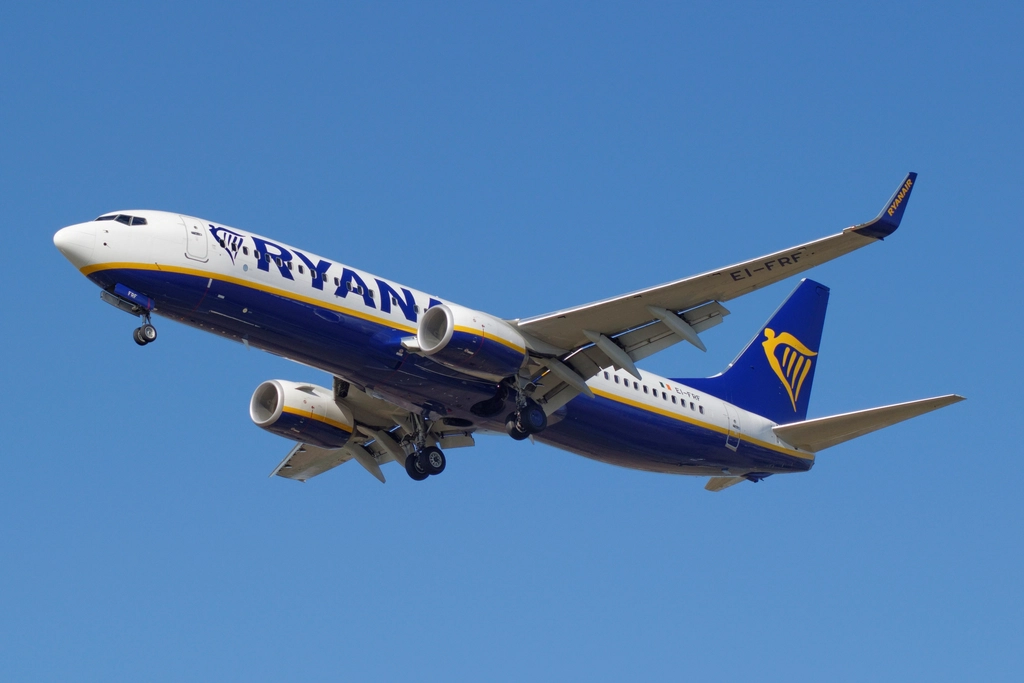
While the lengthy flight was inconvenient for passengers, the decision to return to Alicante had significant operational benefits for the airline. The aircraft, registered as 9H-QDK, is based in Alicante. By returning the jet to its home base, Ryanair ensured that the plane was available for its scheduled flights the following day.
The Boeing 737-800 was delivered to Ryanair in November 2016 and has operated under both the Ryanair and Malta Air air operator certificates. It is configured in a standard all-economy layout with a capacity of 189 seats. The aircraft initially operated under the Irish registration EI-FTJ before being transferred to Malta Air in March 2020.
Returning the aircraft to Alicante minimized ongoing disruption for the airline’s schedule. The diversion allowed the jet to rest at its home base rather than remaining stranded in the UK, where it might have faced further delays or logistical challenges. This strategy prioritized the long-term efficiency of the airline’s fleet over the immediate convenience of the passengers on board.
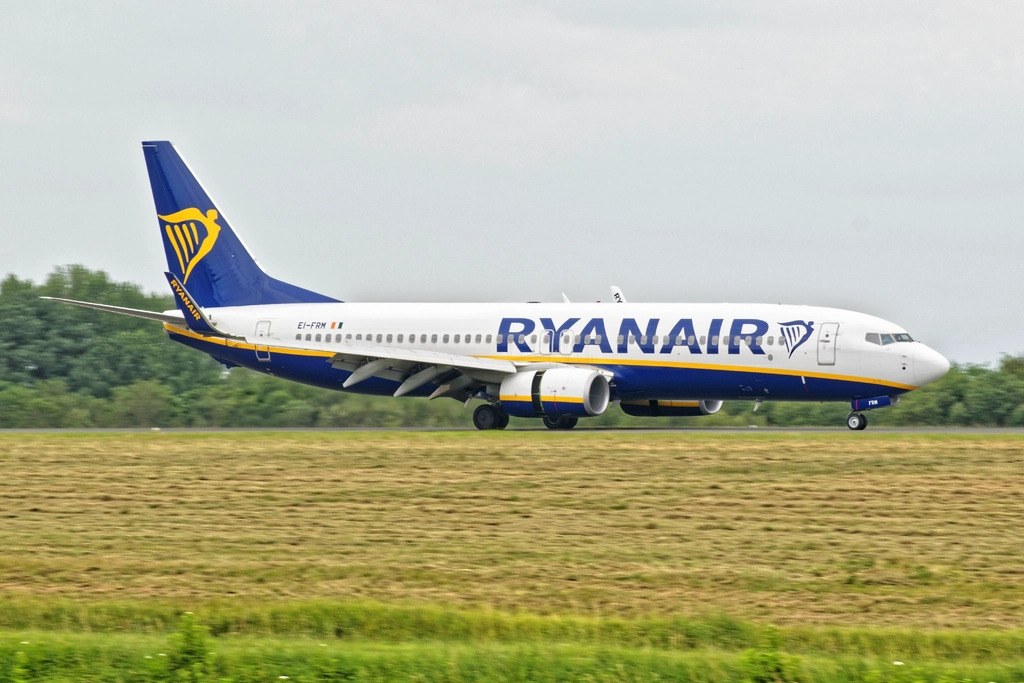
The incident highlights the complexities of managing air travel during severe weather events. While passengers faced an extended period in the air, the airline’s decision to return to the home base ensured that the aircraft could resume its regular duties without further delay. The flight serves as a reminder of the operational pressures airlines face when navigating unpredictable weather patterns across Europe.
Source: Simple Flying
