


Artificial intelligence threatens to widen the economic gap between wealthy and developing nations, according to Tomas Lamanauskas, deputy secretary-general of the International Telecommunication Union (ITU). Speaking at the UN Conference on Trade and Development World Investment Forum in Doha, Qatar, Lamanauskas highlighted that the technology is creating an AI opportunity divide that extends far beyond simple internet access.
The ITU, a specialized agency of the United Nations, focuses on information and communication technologies. Lamanauskas noted that while AI holds massive potential to transform health, education, agriculture, and trade, its benefits are not reaching everyone equally. He described the current situation as a risk of deepening socioeconomic divides rather than just a digital one.
Infrastructure and Adoption Gaps
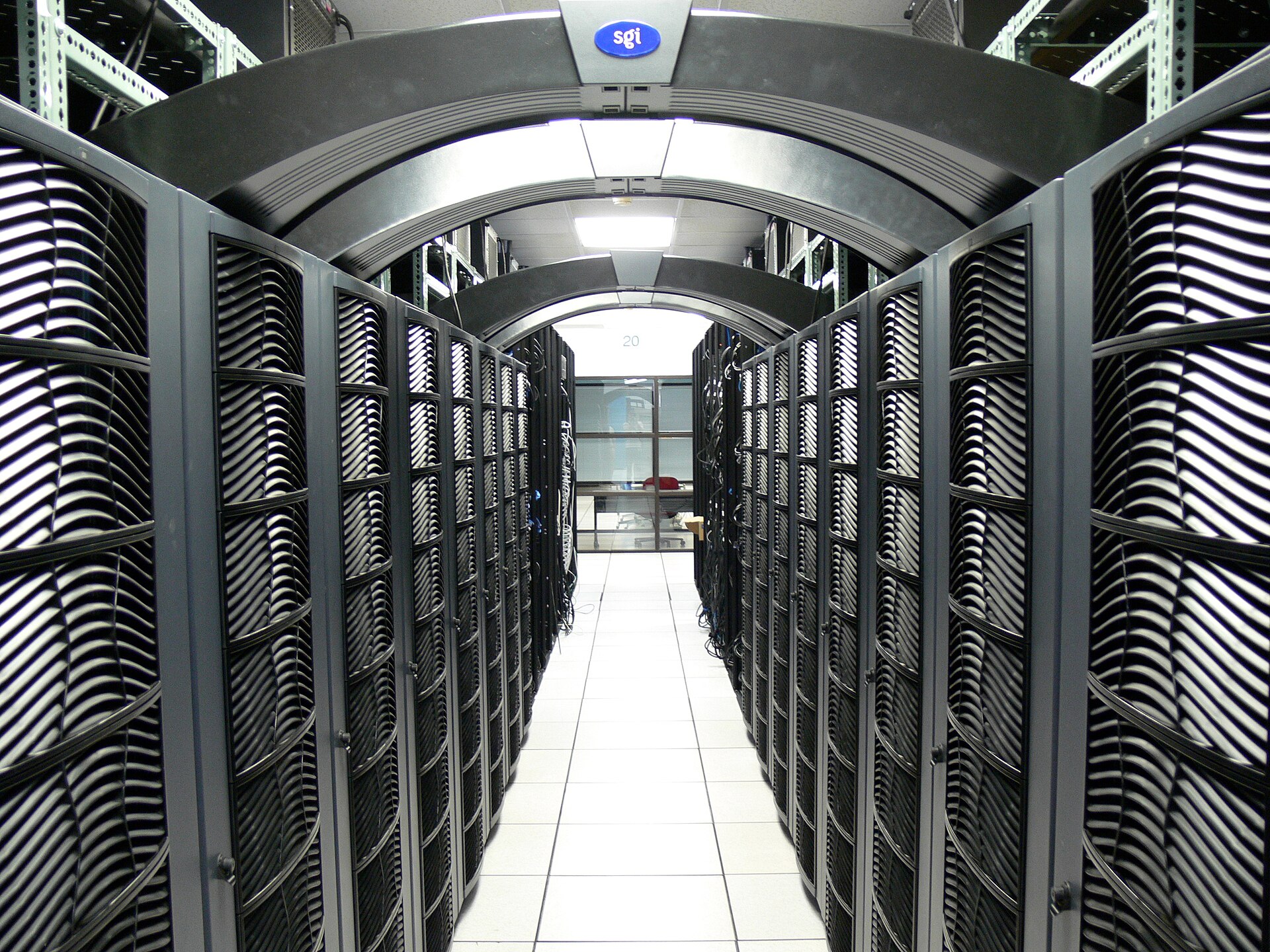
Disparities in digital infrastructure are already stark. Africa and Latin America combined account for only 3.3 percent of global data center capacity. Furthermore, approximately 2.2 billion people worldwide still lack internet access. These physical barriers limit the ability of developing countries to harness AI technologies effectively.
Adoption rates also reveal a significant split. In developed countries, about 29 percent of working-age people use generative AI. In developing nations, that figure drops to 16 percent. Lamanauskas emphasized that this gap directly impacts productivity and job market participation for billions of people.
Bridging this infrastructure gap requires substantial financial commitment. Lamanauskas estimated that $2.8 trillion in investment is needed by 2030 to close the digital divide. Without such funding, countries with unreliable power, limited connectivity, and a shortage of technological skills risk missing out on the economic gains of the AI revolution.
Job Market and Language Barriers
The shift in the labor market is another major concern. While AI is expected to displace 90 million jobs, it may also create 170 million new ones. However, the transition will be disruptive. An estimated 40 percent of workplace skills could change by 2030, affecting workers regardless of their location.
Language inequalities further complicate global access. Only seven percent of African languages are represented in AI translation tools. This limitation restricts access for millions of potential users who do not speak major global languages like English or Mandarin.

Fazl Barez, a senior researcher at the University of Oxford specializing in AI safety and governance, acknowledged the validity of these fears. He cautioned that while AI automates tasks, it does not always replace entire jobs. Routine cognitive work is particularly exposed, but the exact scale of job losses remains uncertain.
Barez warned that AI-driven automation could erode government tax bases and lower living standards if not managed properly. He stressed the need to distinguish between task automation and full job replacement to understand the true impact on economies.
Global Strategies and Future Outlook
Despite the challenges, Lamanauskas stated that halting AI advancement is not a viable option. The technology is here to stay and will continue to transform lives. The number of countries with formal AI strategies has grown from four a decade ago to 104 today.
He argued that AI cannot be controlled by a single person, organization, or company. Instead, global cooperation is essential. Lamanauskas called for greater investment in digital infrastructure, education, and regulation to ensure developing countries can participate in shaping the technology.
The UN Development Programme (UNDP) issued a similar warning in a December 2025 report. It cautioned that AI could trigger a new era of inequality, reversing decades of progress in narrowing economic disparities between nations. The report highlighted that countries lacking reliable power and connectivity are at the highest risk of being left behind.
Lamanauskas concluded that the path forward requires recognizing the anxieties people feel about AI. He urged the international community to invest in ways that ensure AI benefits everyone, rather than exacerbating existing inequalities.
Source: Al Jazeera
