


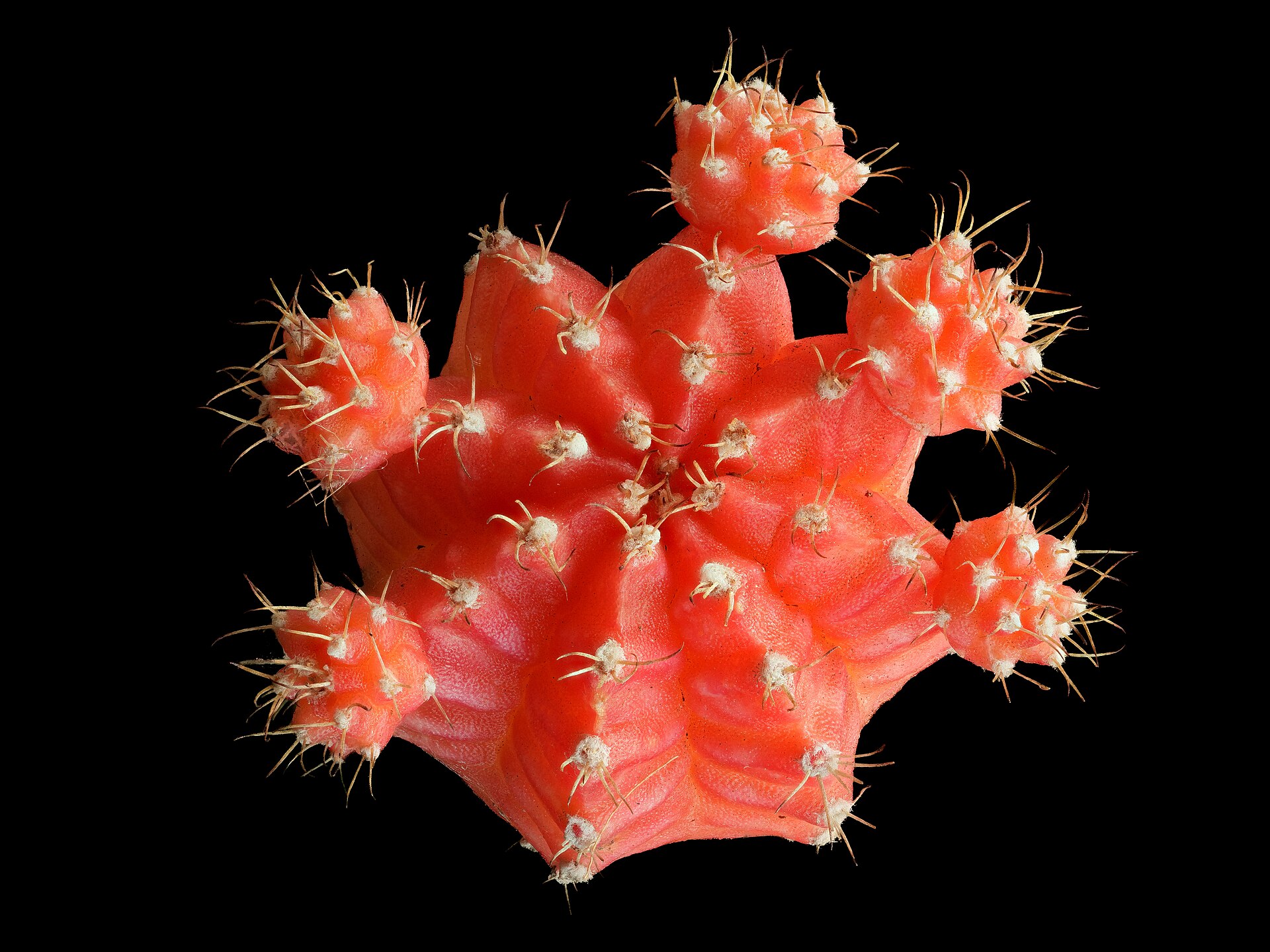
Winter plant advice is often a maze of contradictions. Gardeners are told to rest their plants, then told not to. They are instructed to move specimens to cooler spots, only to be advised to keep them warm. One persistent tip circulating in gardening circles is to place certain houseplants in a dark, cool location to mimic natural dormancy and provide the rest they supposedly need.
The logic behind this hack is that some plants require a period of reduced light, cooler temperatures, and minimal watering to complete their growth cycle. Proponents argue that forcing this dormancy by moving plants to darker areas in winter results in stronger growth, better flowering, and a healthier plant come spring.
Cactus Dormancy and Light Requirements
The recommended method for cacti and succulents involves moving them to a cool, dark place from October to March. The protocol suggests reducing watering dramatically, stopping feeding entirely, and keeping the plants between 5C and 10C if possible.
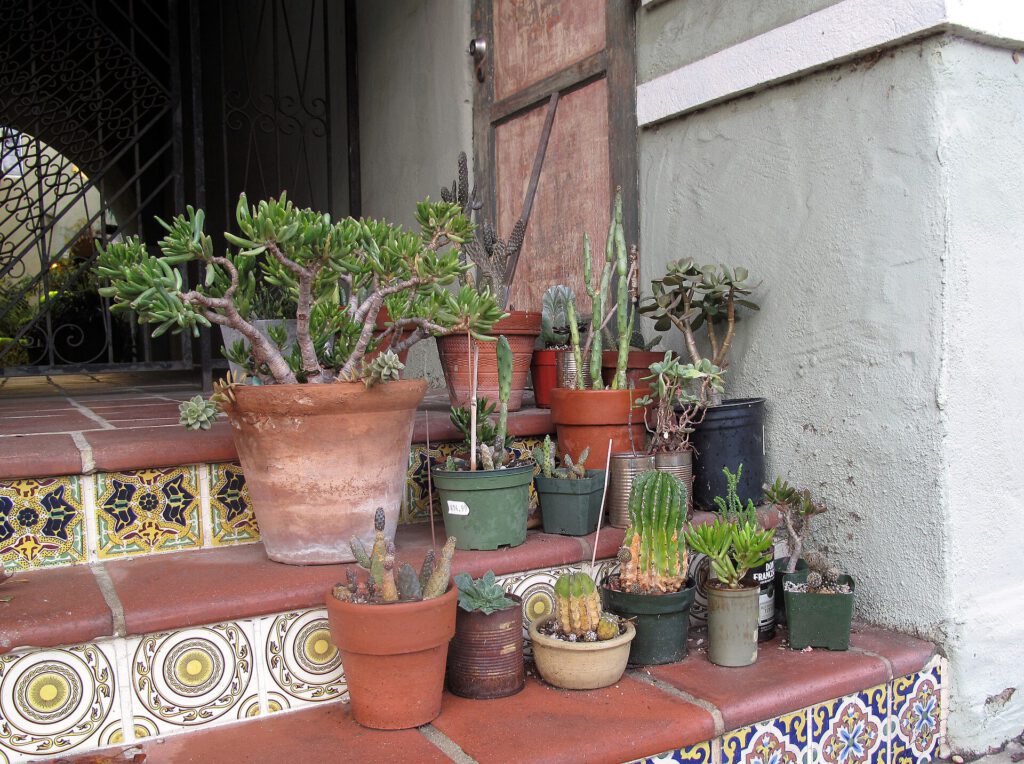
However, recent observations challenge the effectiveness of total darkness. In a practical test, some cacti were moved to an unheated room for the winter, while others were placed in total darkness. The results highlighted a critical distinction between low light and no light.
In spring, the cacti kept in low light conditions appeared compact and firm. They pushed out new growth quickly and showed no signs of distress. The plants in total darkness, however, etiolated. They became unnaturally long, pale, and weak, indicating that they were stretching for a light source they could not find.
Tropical Plants and Winter Stress
While dormancy works for the right plants, it is not a universal solution. Cacti benefit from a cooler, lower-light rest in winter, but they do not thrive in total darkness. The distinction is vital for anyone attempting to manage indoor plants during the colder months.
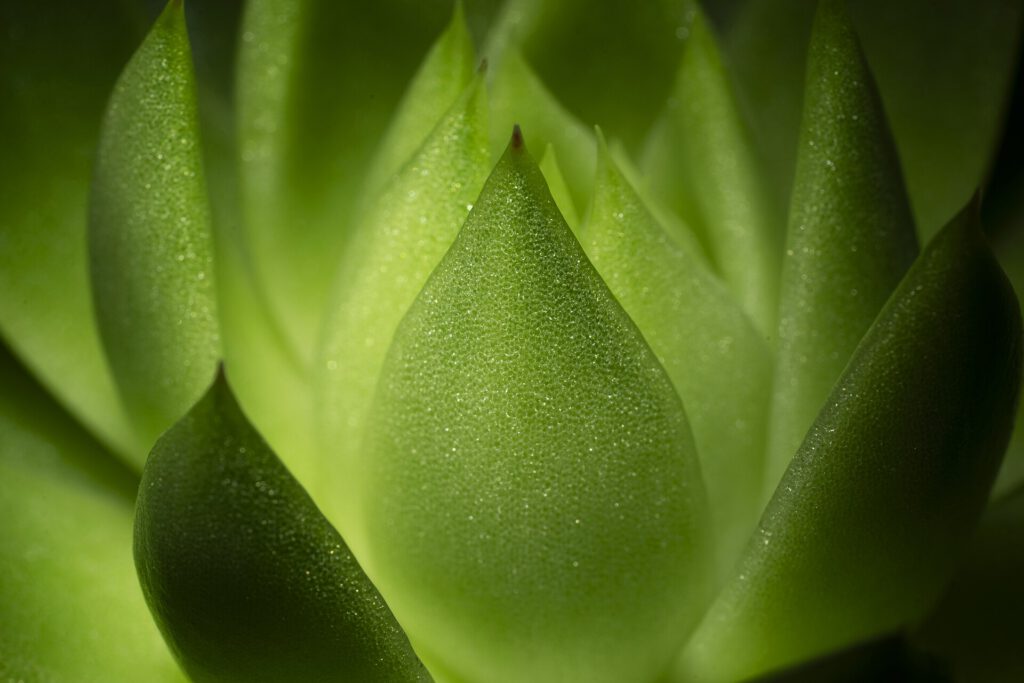
Tropical plants, which are common in many households, do not follow the same rules. Forcing these species into a dark, cool dormancy simply causes stress. They are not adapted to the same growth cycles as desert succulents and require different care strategies to survive the winter.
The verdict from these observations is clear. Dormancy is a useful tool for specific plant types, but it must be applied with precision. Cacti need a rest, but they still require some light. Tropical plants need a different approach entirely, focusing on maintaining stable conditions rather than forcing a dormant state.

Gardeners should review the specific needs of each plant in their collection. Assuming all houseplants benefit from the same winter treatment is a mistake that can lead to weakened or damaged specimens. Understanding the difference between low light and darkness is the first step in effective winter houseplant care.
Source: The Guardian
