


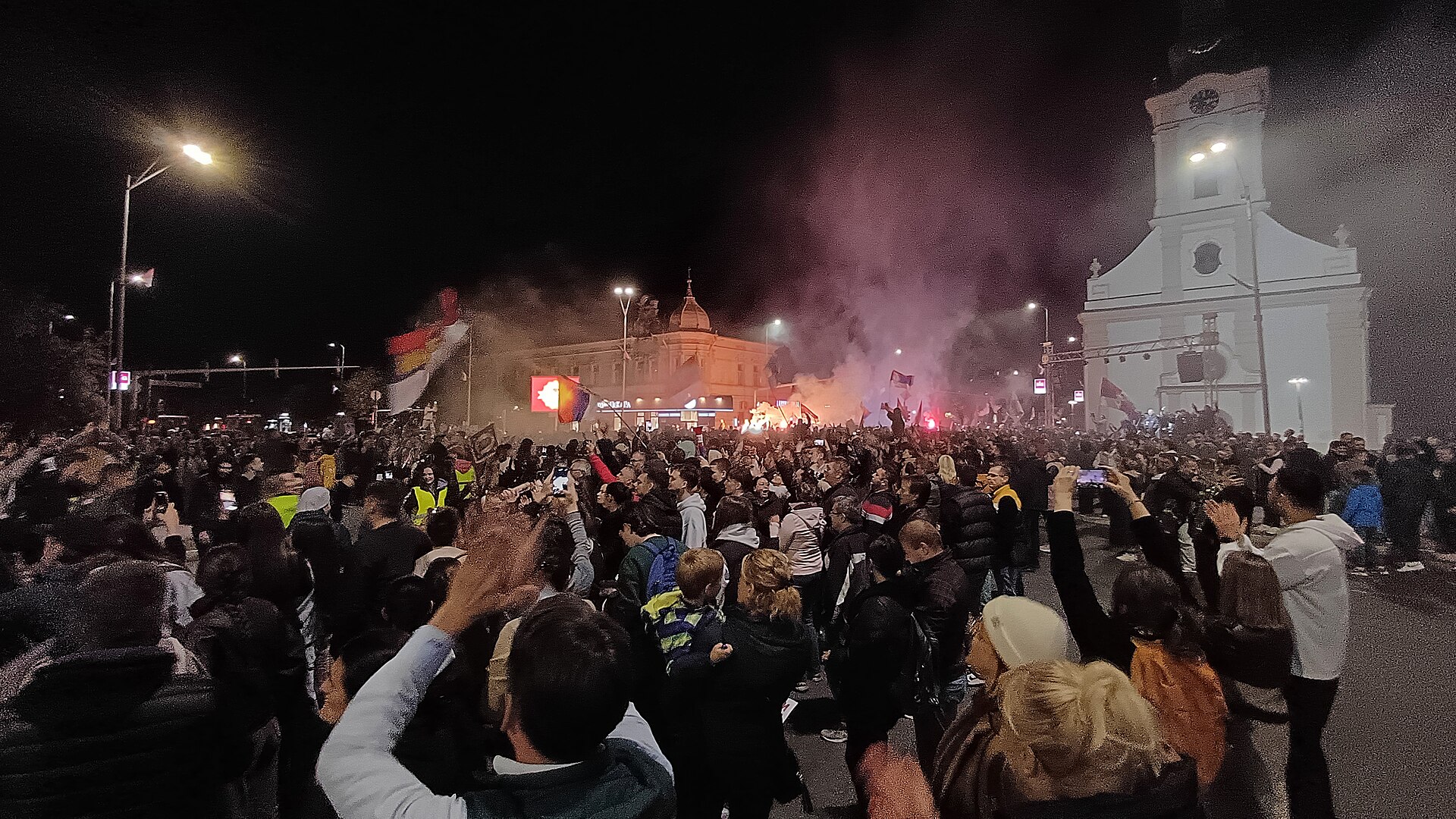
Aleksandar Vucic, the leader who has dominated Serbian politics for over a decade, has conceded defeat in snap parliamentary elections. The result marks a decisive shift in the country’s political landscape, with a student-led protest movement securing a landslide victory. Crowds gathered in Belgrade and Novi Sad to celebrate the outcome, which ended the long-standing rule of Vucic’s Serbian Progressive Party (SNS).
Student List Secures Parliamentary Majority
According to preliminary figures from the Republic Electoral Commission, the Student List won 52.6% of the vote, totaling 2.24 million ballots. The SNS, which has governed Serbia since 2012, received 39.2% of the vote, amounting to 1.67 million votes. With 97% of polling stations reporting, the margin of victory was clear.
Vucic addressed supporters at the party headquarters in Belgrade, stating that the early results made it “clear” his party had lost. He had called the snap elections after two years of sustained public demonstrations. These protests were initially triggered by a canopy collapse at a railway station in Novi Sad in December 2024, an incident that killed 16 people and was widely blamed on systemic corruption and negligence.
The Student List, formed less than two years ago, fielded candidates from diverse professional backgrounds, including doctors, academics, actors, and sports figures. Ilija Srdanovic, the movement’s lead candidate, told BBC Serbian that the victory signals the beginning of a “free state.” He added that the group aims to “free the country from tyranny” and has attracted anti-government voters from across the social spectrum.
Celebrations and International Reaction
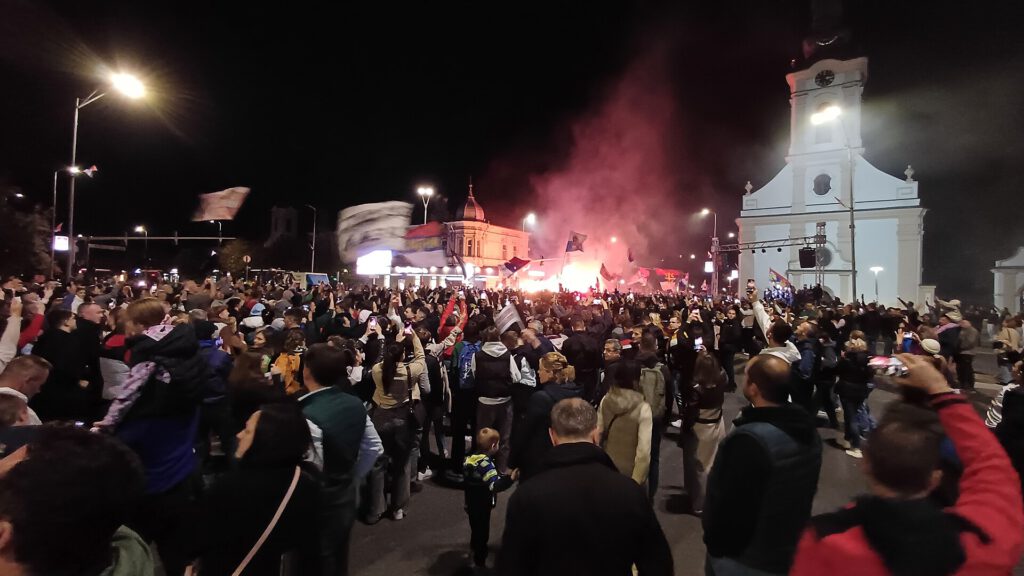
Streets in Belgrade’s Slavija Square and the center of Novi Sad filled with demonstrators. People danced, honked car horns, and set off fireworks. Radomir Saicic, a candidate for the Student List, told Reuters that Serbians had demonstrated that “no obstacle was greater than their will.” He emphasized that no force could overpower a people determined to take control of their own destiny.
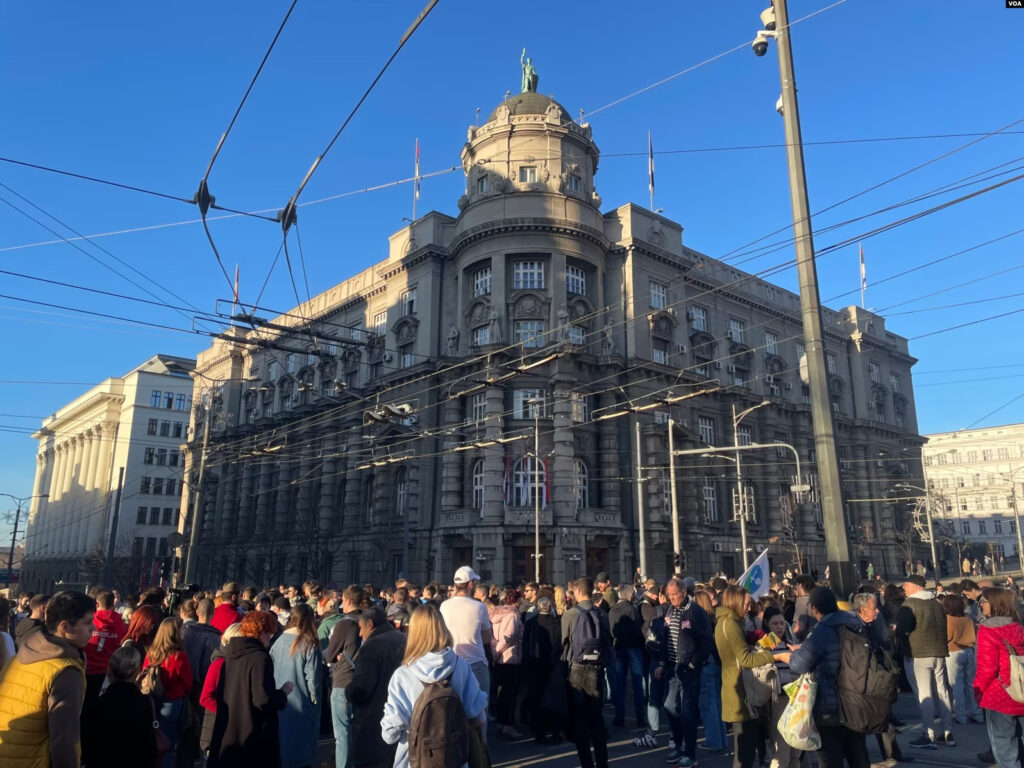
International observers reacted quickly to the shift in power. European Commissioner for Enlargement Marta Kos stated that a new chapter could begin for Serbia, noting that the door to the European Union remains open. Hungary’s Prime Minister Peter Magyar also welcomed the news, referencing the recent political changes in his own country.
Conversely, Kremlin spokesperson Dmitry Peskov praised Vucic’s past contributions to relations with Russia. He expressed hope that the new political force in Belgrade would recognize the benefits of cooperation with Moscow, adding that such relationships require mutual effort.
Next Steps for Governance
The Student List campaigned on a manifesto focused on purging officials who violated rules during previous crackdowns on protesters. They also pledged to stop party loyalists from leading public enterprises and to free the public broadcaster from political control. Vucic, who previously served as president, had sought to return to the role of prime minister after term limits barred him from a third presidential term.
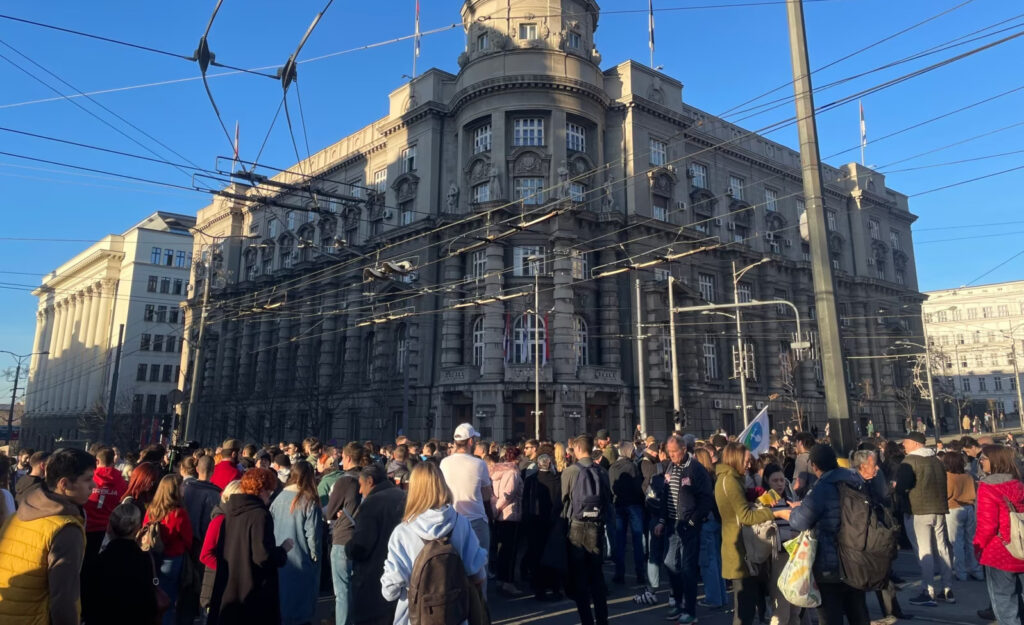
Attention now turns to the formation of the new government. Ana Brnabić, the current parliament speaker, is serving in a caretaker capacity. Presidential elections are scheduled for December, which will determine the next head of state. The transition follows a period of high tension, with police securing areas around the electoral commission in Belgrade during the voting process.
Source: BBC
