


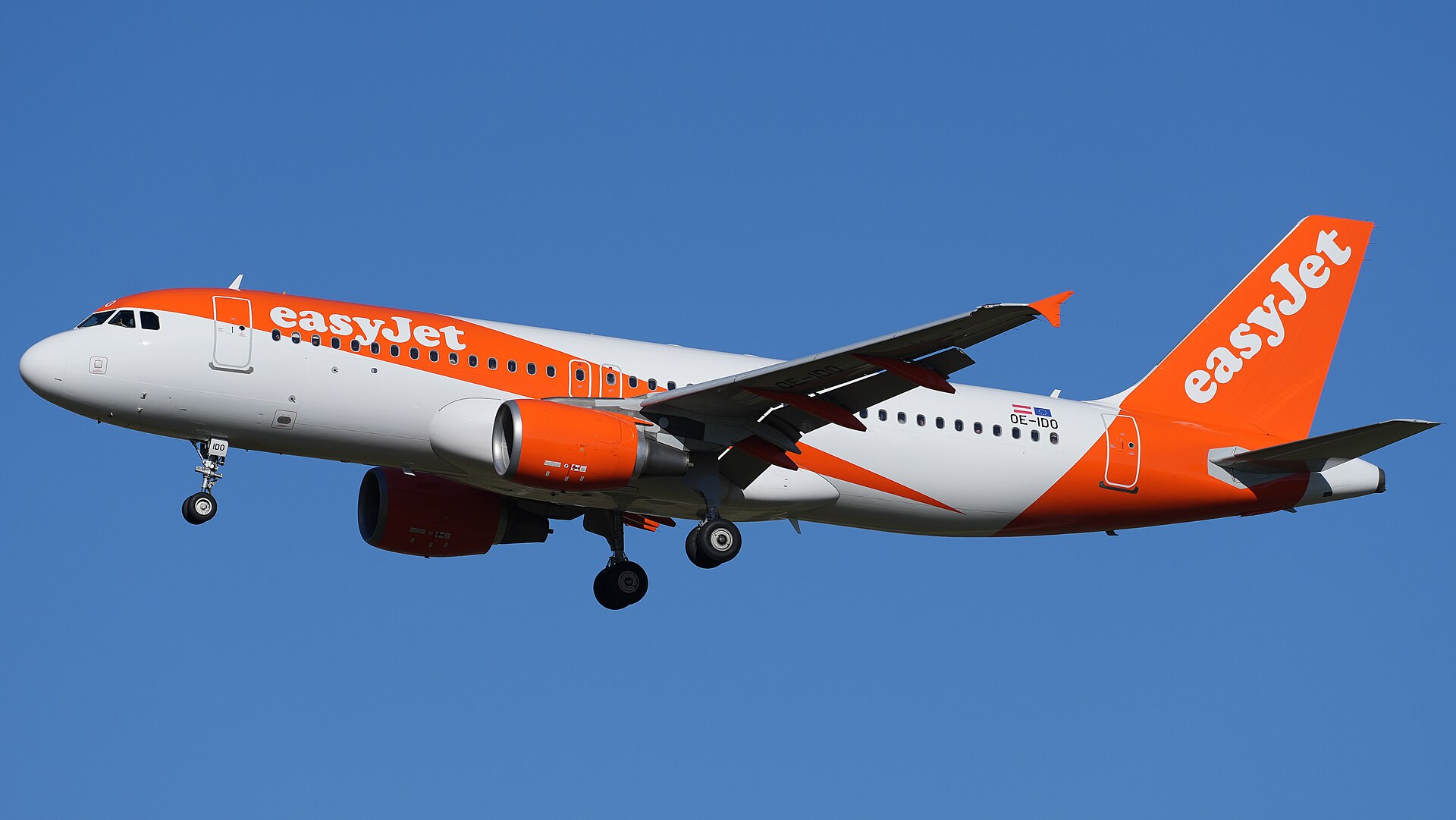
EasyJet has confirmed it will equip its Airbus A320-family aircraft with high-speed Starlink internet connectivity beginning in the first half of 2027. The initiative marks the first time the low-cost carrier will offer in-flight Wi-Fi to passengers, a service previously unavailable on its European routes. The installation program covers more than 300 planes and is scheduled for completion by early 2028, eventually reaching approximately 100 million annual passengers.
Strategic Shift Toward Premium Services
The decision represents a significant departure from the airline’s previous stance. Earlier in 2026, EasyJet executives stated that the cost of installing satellite internet on short-haul European flights was not justified by passenger demand. The reversal suggests that pricing structures from SpaceX may have improved, or that internal pressure to enhance the passenger experience has intensified. This change aligns with the airline’s broader strategy to attract higher-spending customers without abandoning its core low-cost model.
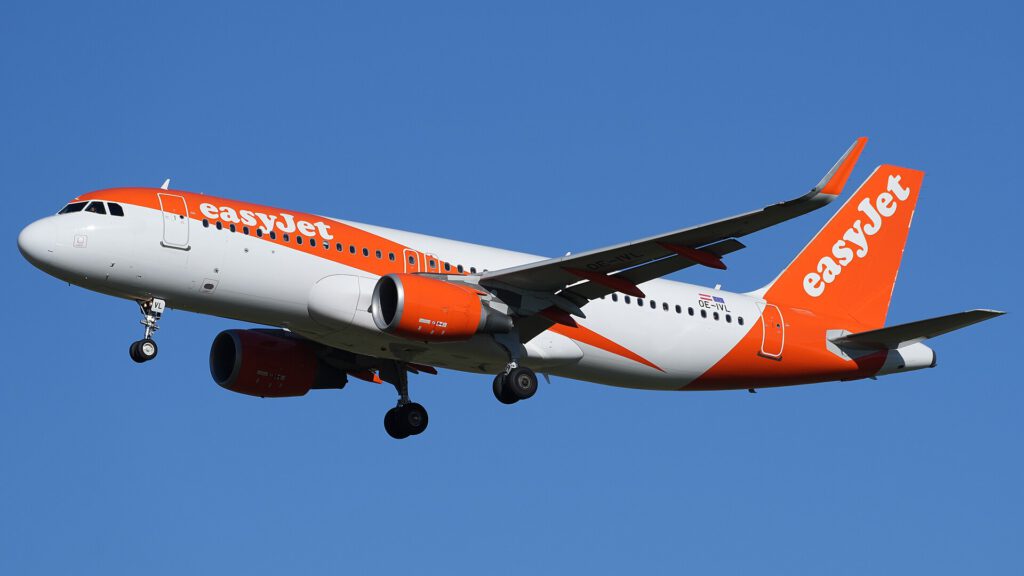
Kenton Jarvis, EasyJet’s chief executive, stated that the upgrade will provide options that both business and leisure travelers expect when selecting an airline. The connectivity will support video streaming, web browsing, and gaming. It will also facilitate flight updates, destination information, and potentially onboard food ordering. However, the airline has not yet clarified whether the service will be included in ticket prices or offered as a paid add-on.
Apollo Takeover and Competitive Pressure
The rollout coincides with EasyJet’s preparation for a £5.7 billion ($7.5 billion) acquisition by Apollo Global Management. The transaction, which is currently progressing, has positioned the airline for a more premium market positioning. In its July 2026 trading update, EasyJet identified business travel and premiumization as key revenue opportunities. The new loyalty program, launching in fiscal year 2027, aims to consolidate bookings from its existing base, where 71% of customers are returning passengers.
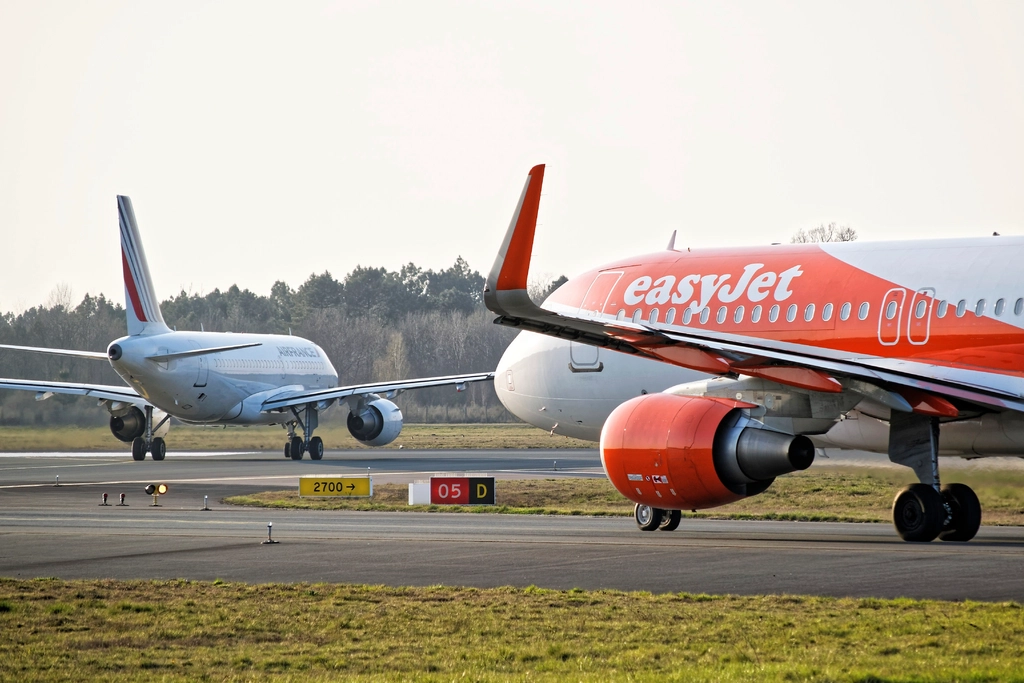
European budget airlines currently lag behind their North American counterparts in connectivity. Data from CAPA indicates that only 21% of short- and medium-haul jets in Europe offered internet access in January 2026. The gap is largely due to shorter flight times and the reluctance of carriers to absorb installation and fuel costs. However, the landscape is shifting. Wizz Air has already begun offering Starlink, and Vueling provides connectivity through Viasat, having recorded over one million complimentary sessions by April.
Ryanair remains the primary holdout among major European low-cost carriers. CEO Michael O’Leary has consistently argued that the additional fuel burn and hardware costs outweigh the benefits for short European hops. EasyJet’s entry into the market with Starlink will likely increase pressure on competitors to follow suit. The airline is also enhancing its appeal to corporate travelers through flexible booking options, Fast Track security, and priority boarding packages.
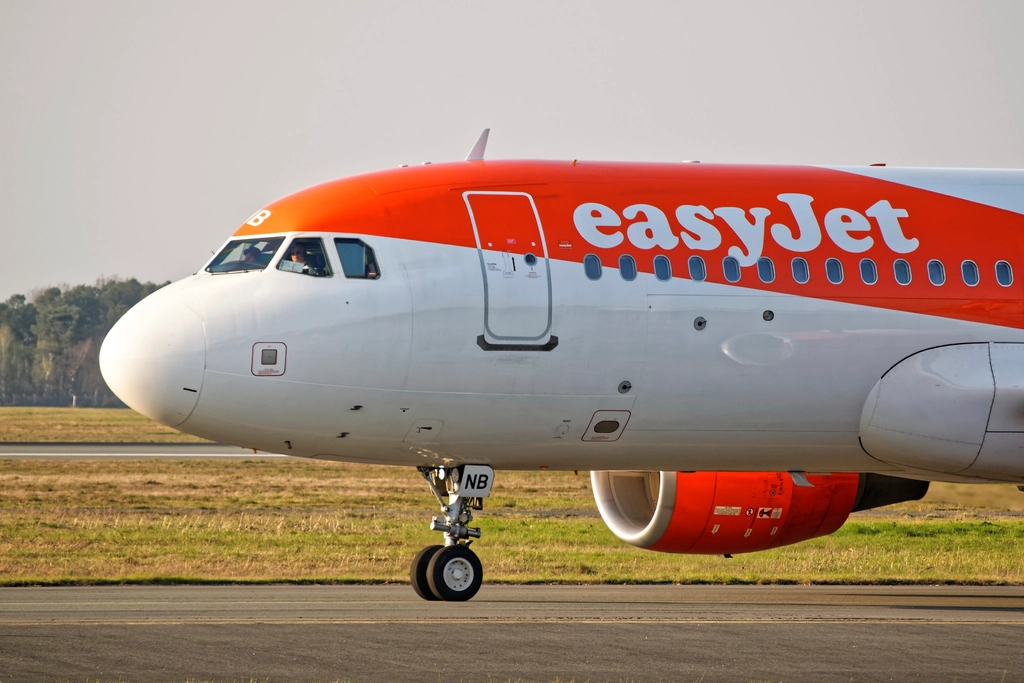
The Starlink network utilizes low-Earth-orbit satellites to deliver faster speeds than traditional geostationary systems. EasyJet’s older Airbus A319 fleet will not receive the upgrade, as these aircraft are scheduled for retirement by 2029. The focus remains on the A320, A320neo, and A321neo models, which form the backbone of the carrier’s modern operations. This infrastructure investment signals a clear intent to compete more directly with full-service airlines for the business travel segment.
Source: Simple Flying
