


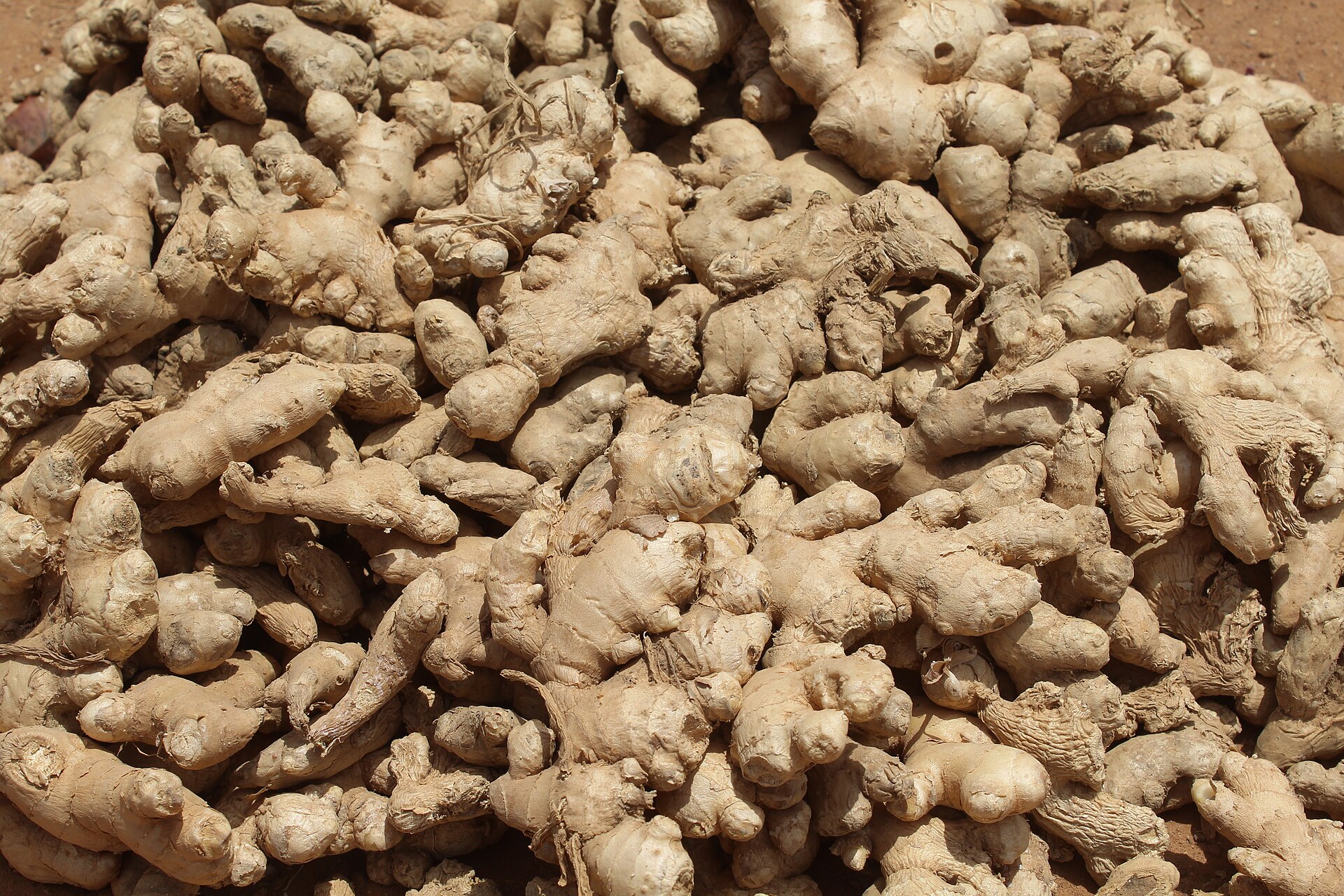
Home cooks often encounter a peculiar instruction in recipes: add a thumb of ginger. This vague directive stands in stark contrast to the precise gram measurements used for flour or sugar. The practice has puzzled many, leading to questions about why a root vegetable with such irregular shapes is not weighed for accuracy.
According to food experts, the answer lies in the nature of cooking itself. Unlike baking, where chemical reactions require exact ratios, many savory dishes involving ginger are forgiving. The consensus among culinary professionals is that this method is less about scientific accuracy and more about empowering the cook to adjust flavor to their own taste.
The Case for Imprecision
Felicity Cloake, a food writer for The Guardian, admits there is no perfect scientific reason for the convention. She suggests that using precise weights for staples like ginger or onions can feel overly fussy for everyday cooking. Giving a specific gram amount might make home cooks worry about being a few grams off, which rarely impacts the final dish.
Georgina Hayden, another columnist, agrees that cooking should be instinctive. She notes that recipes for curries or stir-fries do not require the same level of precision as a cake or risotto. The goal is to provide a guideline rather than a strict rule. Getting out digital scales for a small piece of ginger is often seen as unnecessary effort for a result that will not change significantly.
This approach allows for creative license. Just as a recipe might call for a knob of butter or a pinch of salt, a thumb of ginger serves as a rough estimate. It signals that the ingredient is important but not critical enough to demand a scale. This flexibility is a core part of many traditional cooking methods, where the cook adjusts seasoning based on personal preference.
Defining the Thumb
While the thumb is a common unit, it is not uniform. Ravinder Bhogal, a chef and writer, offers a more concrete definition to help those who prefer structure. She describes a thumb of ginger as a piece approximately 5 centimeters long, which typically weighs about 15 grams. This length corresponds to the average adult thumb.
Bhogal acknowledges that ginger varies in thickness and shape. If a piece is particularly thick or not thumb-shaped, the cumulative flesh should be roughly equivalent to that of a standard thumb. She also notes that ginger flavor softens during cooking, so minor variations in the initial amount are unlikely to ruin a dish. If a recipe calls for both garlic and ginger, she might use equal weights, but she emphasizes that personal taste should always guide the final decision.
The variability of ginger roots makes weighing them tedious for a small quantity. A single root can have thin, stringy sections and thick, dense knobs. Trying to weigh a small piece that will be finely grated or minced often feels disproportionate to the effort. The thumb measurement bypasses this hassle, providing a quick visual cue that is easy to follow without tools.
Ultimately, the use of thumbs and centimeters is a convention that prioritizes ease and intuition. It encourages cooks to trust their senses rather than rely on instruments. As Cloake suggests, this method gives an idea that you do not have to worry too much about exactness. In a world that often demands precision, cooking with ginger remains a space for flexibility and personal adjustment.
Source: The Guardian
