


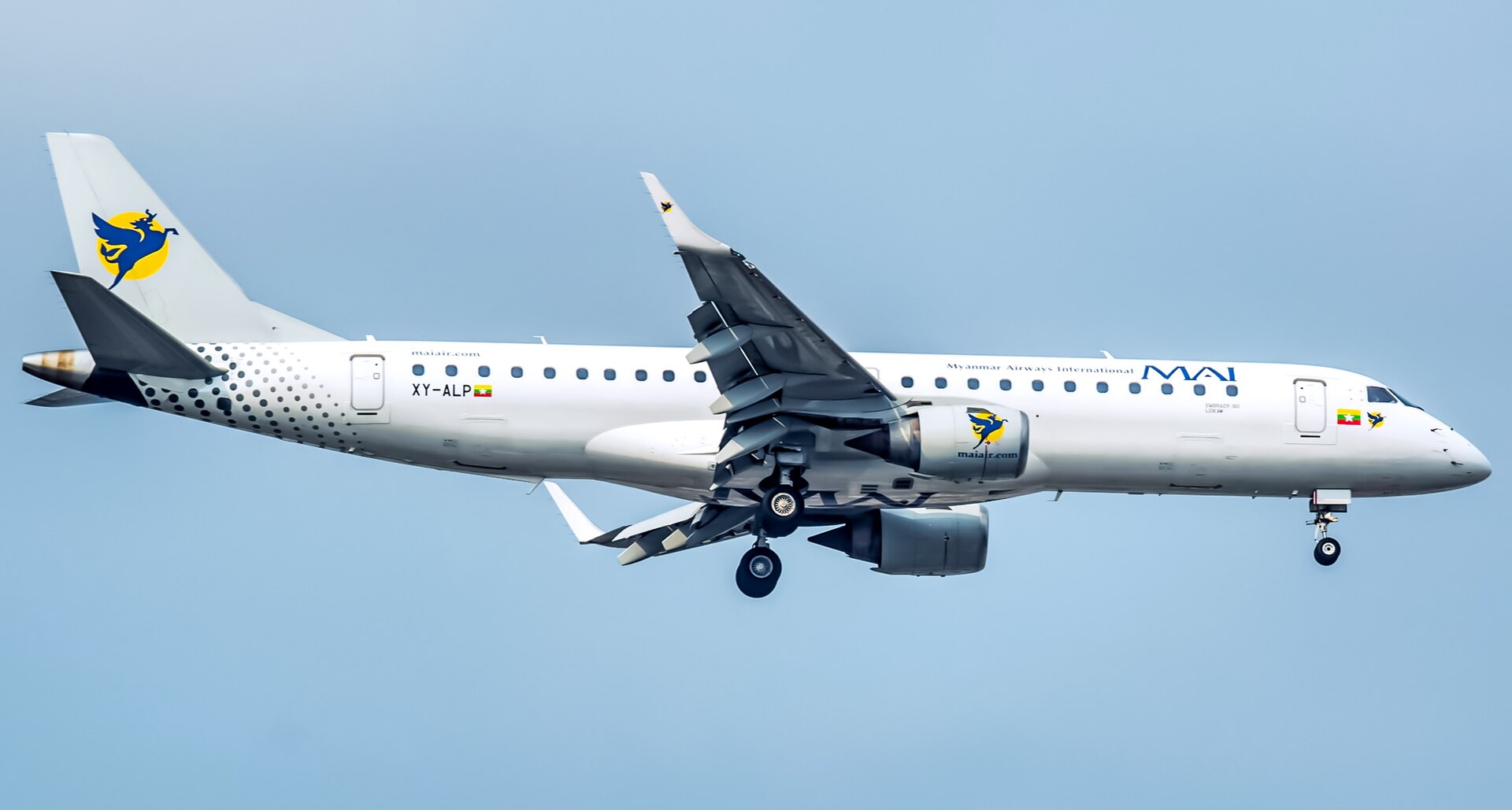
Myanmar Airways International (MAI) remains operational in 2026, navigating a complex landscape defined by civil war, security threats, and economic contraction. The privately owned full-service carrier, based in Yangon, serves as Myanmar’s primary airline, connecting the country to regional hubs. Despite a significant decline in the aviation sector since 2021, MAI maintains a presence on key routes, including daily flights from Bangkok’s Don Mueang International Airport (DMK) to Mandalay International Airport (MDL).
Payment Barriers and Booking Challenges
International travelers face significant hurdles when attempting to book tickets with MAI. Direct online purchases using international credit cards, including MasterCard and Visa from banks in the US and UK, are frequently declined. The reasons for these payment failures remain unclear. As a result, passengers often rely on third-party booking platforms. For instance, Booking.com, partnering with GoToGate, has successfully processed fares for travelers who cannot complete transactions directly on the airline’s website.
These booking difficulties reflect the broader operational constraints MAI faces. The airline’s fleet is modest, consisting of 12 aircraft according to Planespotters.net. This includes six Airbus A319s, three ATR-72s, two Airbus A320s, and one Airbus A321 cargo aircraft. The average age of the fleet is 16.8 years. The ATR-72 fleet is the youngest at approximately nine years old, while the A319s average 20 years. The airline has no aircraft on order, likely due to difficulties in securing financing for new Boeing or Airbus jets in the current economic climate.
Mandalay Airport Security and Operational Adjustments
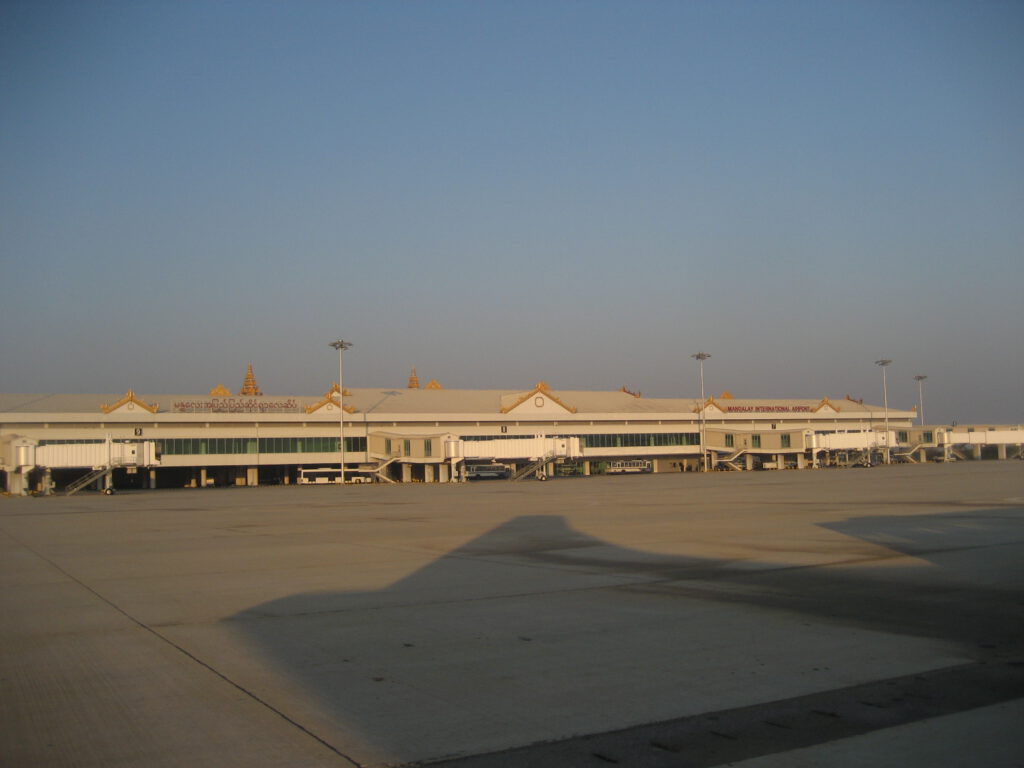
Security concerns have intensified at Myanmar’s airports. In early September 2026, the People’s Defence Force (PDF), the main opposition group fighting the ruling military junta, launched a drone attack on the military side of Mandalay International Airport. Footage released by the group showed strikes on several Yak-130 jet trainer aircraft, though the extent of the damage was unclear. Despite this incident, the airport continued to operate normally for commercial flights.
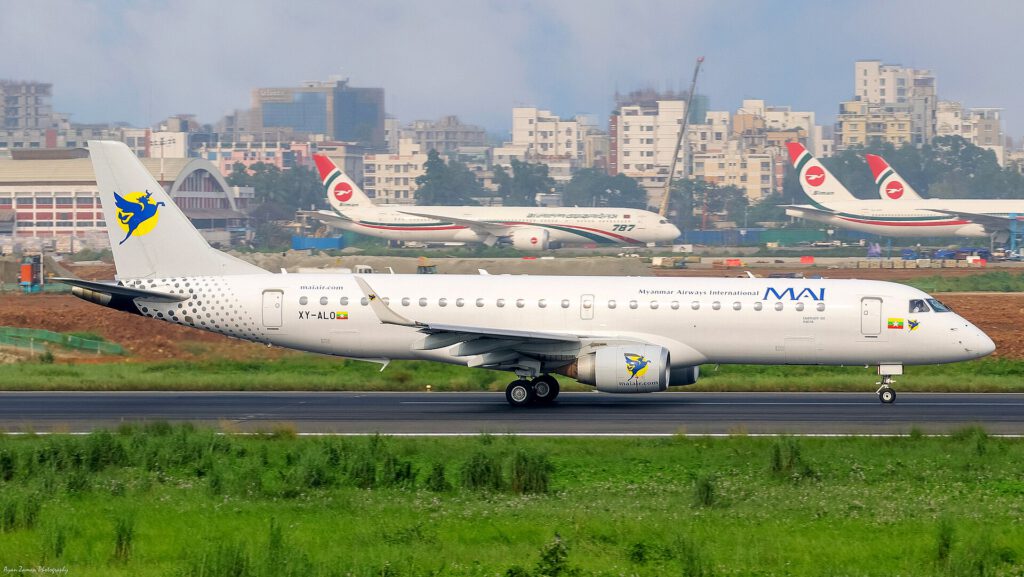
MAI has adjusted its operations in response to the challenging environment. Flights from Bangkok to Mandalay, scheduled for one hour and 50 minutes, have experienced delays of more than an hour. On one occasion, a return flight originally booked on an Airbus A319 was swapped for an ATR-72 turboprop. While ATR-72s are typically used for domestic routes, MAI has deployed them for international services as needed. The ATR-72-600s are configured with 68 economy seats in a 2-2 layout, offering a seat pitch of around 30 inches.
The passenger base has shifted dramatically. With few international tourists visiting due to safety advisories and native Burmese citizens lacking the funds to travel, routes have become thinner. MAI serves around 30 destinations, mostly from Yangon and Mandalay. The state-owned Myanmar National Airlines (MNA) operates a smaller fleet, with half of its aircraft parked. China Eastern is one of the few non-Burmese airlines still serving Mandalay from Kunming.
Passenger Experience at Mandalay International Airport
Travelers passing through Mandalay International Airport encounter a facility designed for much higher capacity than it currently handles. The airport is functional but deserted during peak hours. Only about a third of the shops are open, including restaurants, souvenir stores, and a bar. The duty-free section is limited, with many empty shelves and a restricted selection of alcohol.
Infrastructure challenges are evident. During check-in, power outages occur, with backup systems kicking in with loud noises. Foreign credit cards may not work reliably, and travelers are advised to carry crisp, unmarked US dollars. Currency conversion rates vary across the country, with rates at the airport being reasonable but better in Mandalay city. Immigration processes are straightforward, and staff are generally friendly.
MAI’s economy class fares include one personal item, one carry-on bag, and a checked bag up to 20 kg. The Airbus A319s used on these routes come in different configurations. The newer C8Y132 model has 140 seats with a 30-inch pitch in economy, while older configurations offer a 32-inch pitch. The airline serves a light meal on board, including boxed juice and snacks. Despite the difficult operating environment, MAI continues to adjust its routes and fleet to maintain connectivity within Myanmar and to select international destinations.
Source: Simple Flying
