


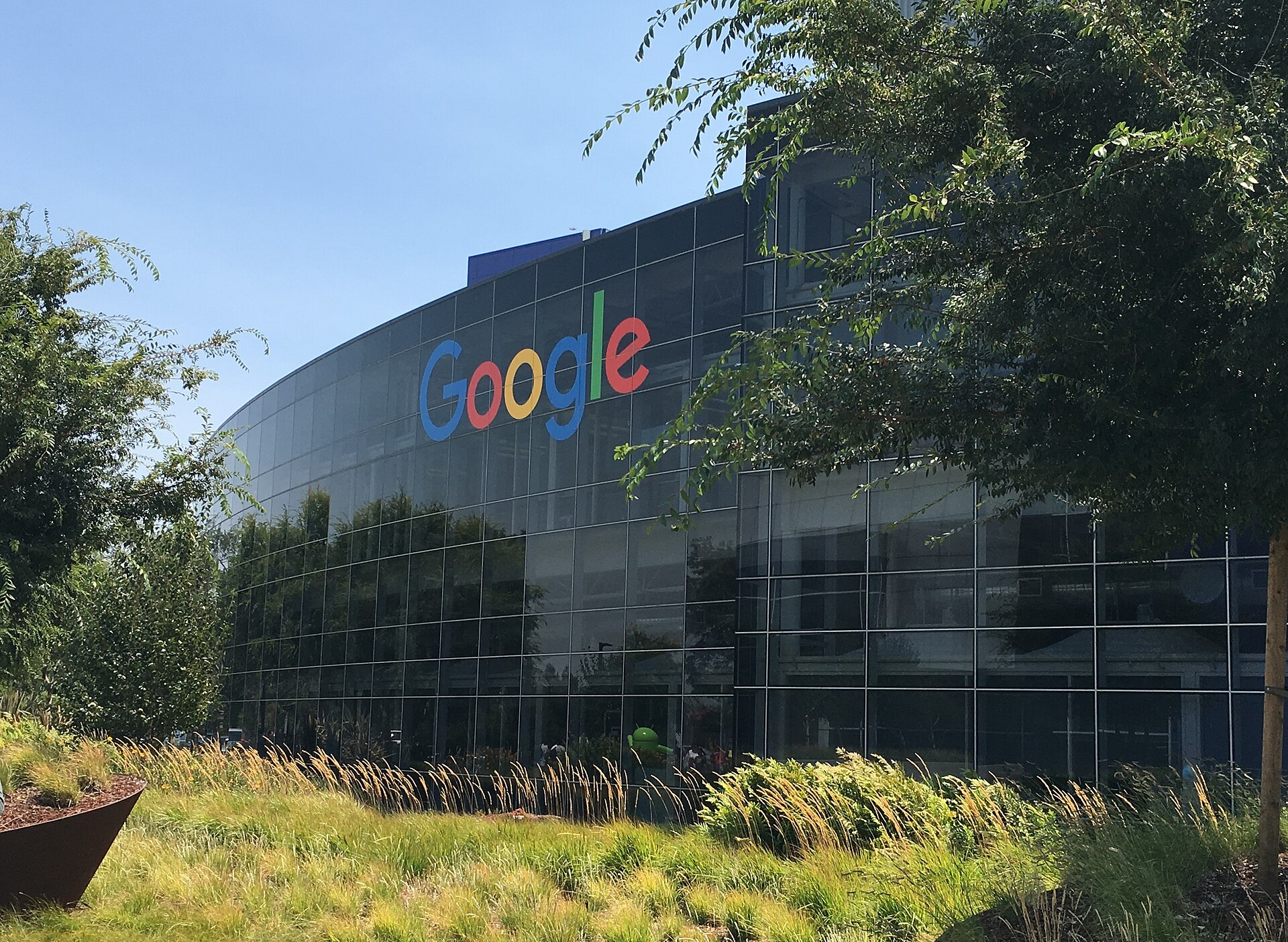
Shares in Alphabet, the parent company of Google, dropped double digits on Wednesday evening, erasing hundreds of billions of dollars in market value. The decline followed the release of third-quarter financial results that showed net profit falling well short of Wall Street expectations.
Net profit for the July-to-September period slid 25% from a year earlier to $26.2 billion, or $2.12 per share. This figure missed the consensus estimate from analysts surveyed by FactSet. The company also booked an $8.7 billion loss on equity investments, primarily driven by its stake in SpaceX, where shares have struggled since the company went public in June.
Google Cloud Revenue Surges
Revenue, however, rose 25% to $127.6 billion, slightly below the roughly $128 billion forecast. The growth was largely fueled by Google Cloud, which rents computing power and AI tools to businesses. Cloud revenue jumped 103% to $30.7 billion, surpassing analyst expectations.
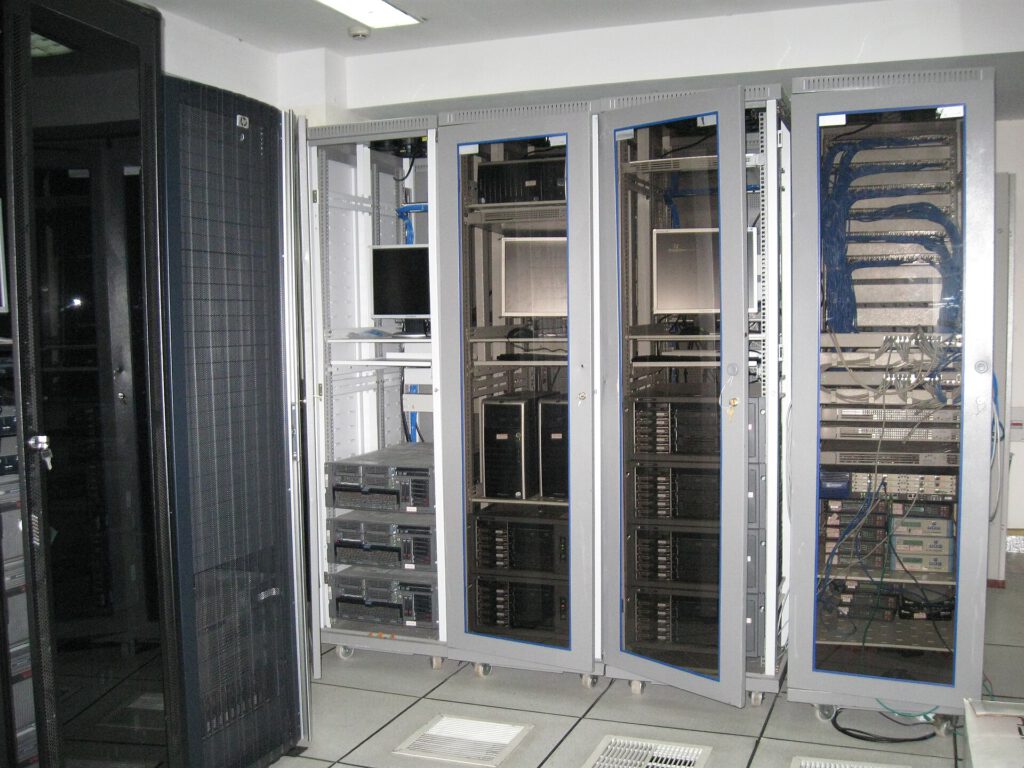
The company attributed much of this growth to sales of its in-house AI chips, known as Tensor Processing Units or TPUs. Operating income for the cloud unit tripled to $11.1 billion. Alphabet is increasingly selling these chips to outside companies, positioning itself as a growing challenger to market leader Nvidia. Reports indicate that OpenAI plans to purchase some of these chips.
Traditional advertising revenue grew 11% to $82 billion, falling short of expectations. Google’s search business, the company’s largest income source, saw revenue rise 12% to $63.4 billion, a slowdown from the 17% growth recorded in the previous quarter. YouTube advertising revenue grew 9% to $11.2 billion, down from 13% growth in the prior period. The YouTube Music and Premium subscription service passed 150 million subscribers worldwide.
Massive AI Spending and Waymo Growth
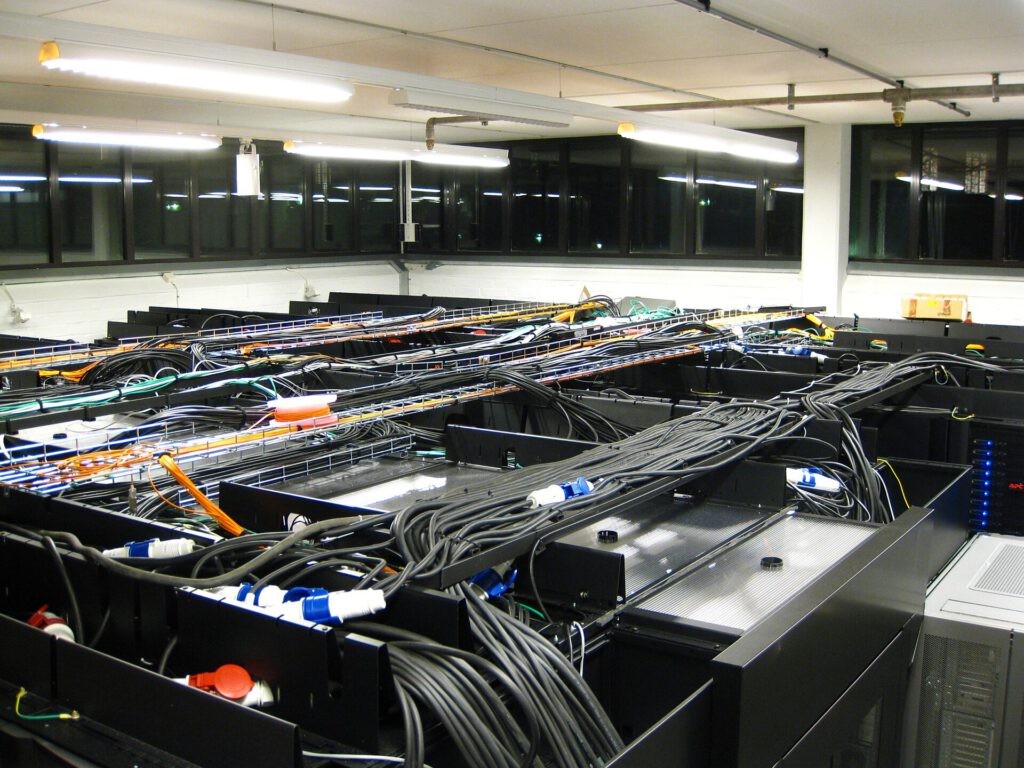
Alphabet’s capital expenditures reached $51.4 billion during the quarter, more than double the $24 billion spent a year earlier. The spending was directed mostly toward data centers and AI chips. The company forecast capital spending between $195 billion and $205 billion for 2026 and stated it would continue to increase spending significantly in 2027.
Sundar Pichai, the Google CEO, told analysts that the investment strategy is a long-range planning process rather than a short-term allocation exercise. The spending, which included a fine paid to the European Union, outstripped the cash generated by Alphabet’s businesses for a second consecutive quarter, leaving a $9.1 billion gap. To cover this, the company raised $28.7 billion by selling bonds and $12.4 billion by issuing new shares.
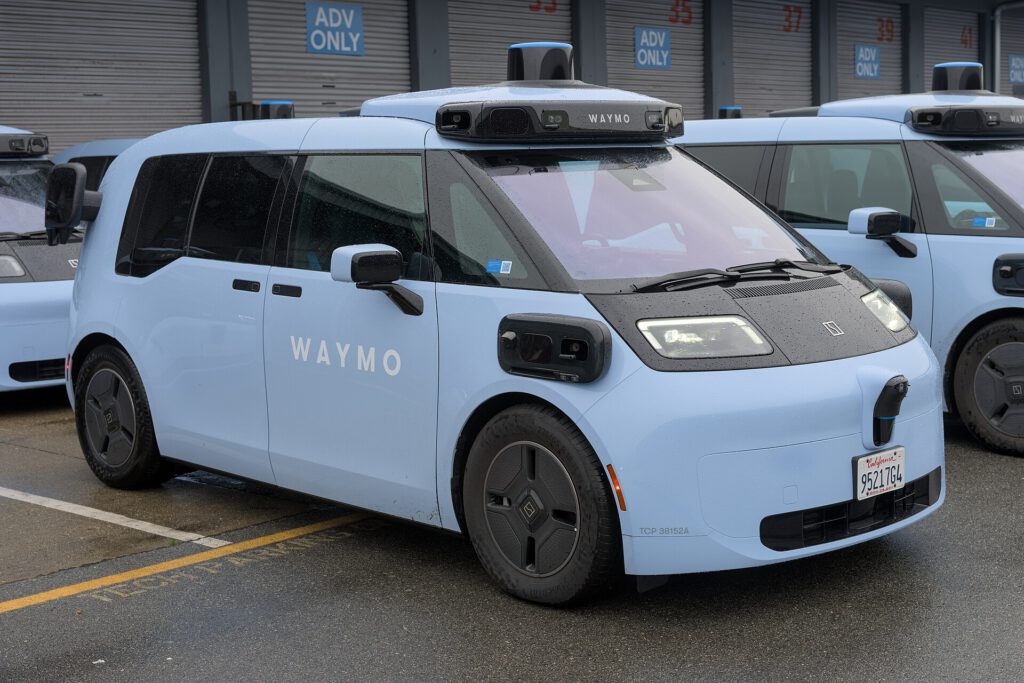
In its Other Bets division, which includes the robotaxi company Waymo, revenue was $372 million with an operating loss of $2 billion. Waymo now provides more than 500,000 paid rides a week across 15 US metropolitan areas. The company aims to reach 1 million weekly rides by the end of the year.
Google has accelerated its AI releases following a delay to a flagship model in July. The company launched Gemini 4 in late September and released a version focused on cybersecurity. The Gemini app has reached 1 billion users, and Google’s AI models now process nearly 32 billion tokens per minute, more than four times the level of a year ago.
Meanwhile, a US judge declined to order Google to sell off parts of its advertising technology business in September, imposing operational restrictions instead.
Source: The Guardian
