


Egypt is fundamentally changing how it measures success in the global travel market. The Egyptian Tourism Authority has announced a strategic pivot from chasing visitor numbers to maximizing revenue per traveler. The new goal is to generate between $36 billion and $40 billion in tourism receipts by 2030, a significant jump from the $18.6 billion recorded this year.
This shift comes as the country continues to see steady growth in international arrivals. Egypt welcomed 14.4 million visitors in the first nine months of 2026, a 4 percent increase compared to the same period last year. Full-year forecasts from BMI, a Fitch Solutions company, place the 2026 total at approximately 20.19 million visitors. The authority aims to reach 30 million annual arrivals by the end of the decade, but the primary focus is now on the economic value each visitor brings.
Egypt Hotel Pipeline Supports Luxury Focus
The infrastructure to support this high-value strategy is already under construction. According to HVS, a hospitality consulting firm, there are roughly 44,000 rooms planned across 180 projects in Egypt. These new rooms will be added to the existing stock of 240,000 rooms. Nearly 90 percent of the planned rooms are categorized as upscale or luxury, with very limited development in the midscale or select-service segments.
Hala Matar Choufany, president for the Middle East, Africa, and South Asia at HVS, noted that the hotel pipeline has remained resilient despite global economic headwinds. Construction timelines have adjusted due to inflation, financing challenges, and foreign exchange issues, but demand for high-end accommodation has not weakened. The supply side is aligning with the government’s desire to attract wealthier tourists.
Premium Experiences and Supply Constraints
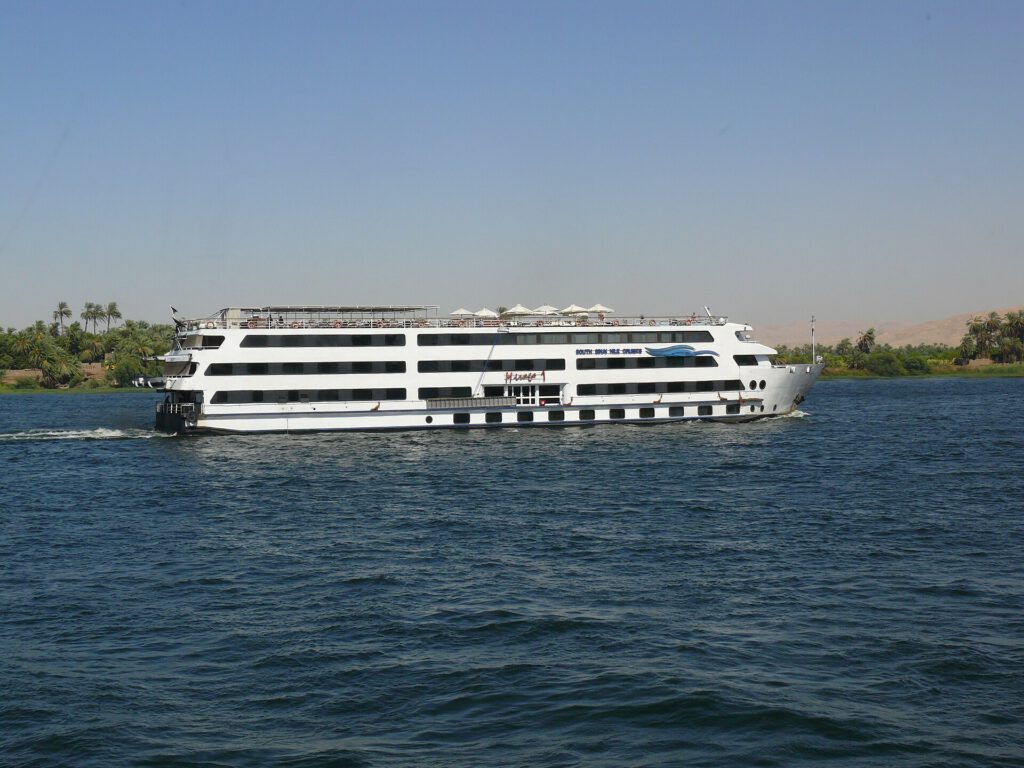
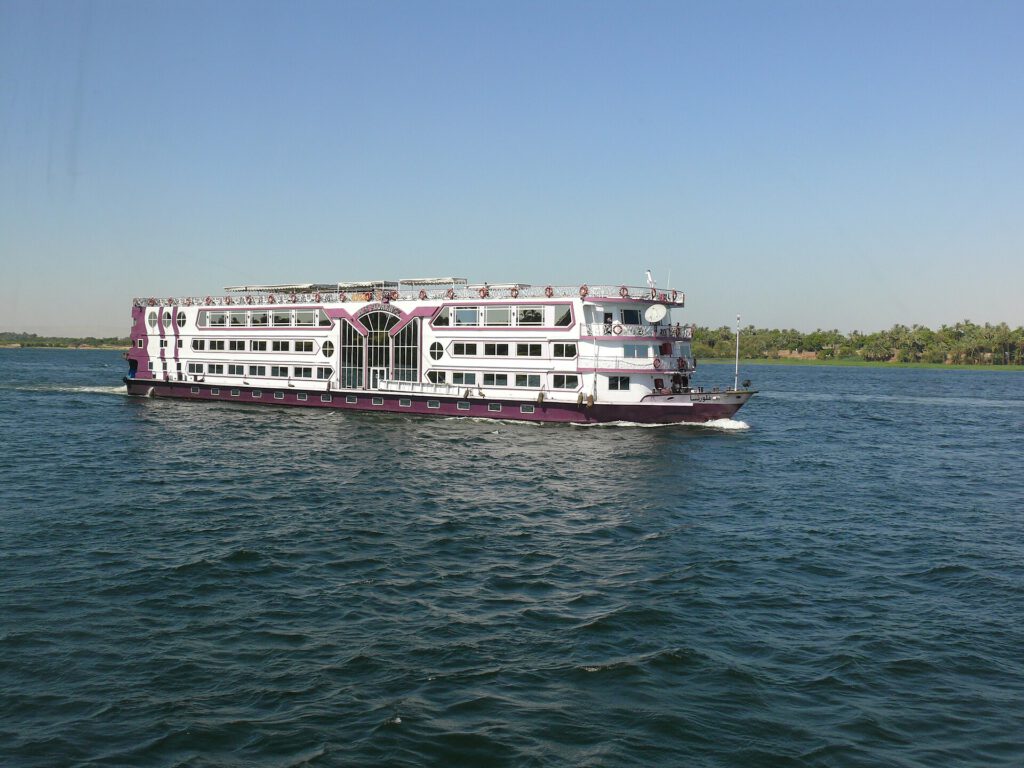
The tourism authority is actively promoting travel options beyond the traditional historical circuit. The new pitch includes dahabiya sailing boats, luxury Nile cruises, boutique hotels, and experiences centered on heritage, wellness, and gastronomy. However, delivering this premium experience presents a challenge. The best Nile vessels, expert guides, and high-end transport options are already selling out well in advance.
Mohamed Maher, founder of Egypt Encompassed, a travel consultancy, observed that regional uncertainty is reshaping how tourists plan their trips. Travelers are increasingly cutting secondary destinations like Jordan or Saudi Arabia from their itineraries while keeping Egypt as the primary stop. This trend suggests that Egypt is becoming a more central hub for Middle Eastern travel, even as clients delay bookings due to geopolitical instability.
The strategy relies on extending the length of stay and increasing daily spending. By offering exclusive experiences and high-quality service, Egypt hopes to convert the growing number of arrivals into higher revenue. The authority acknowledges that while arrivals have driven the story for years, the next target is value. The success of this pivot will depend on whether the country can scale its premium supply chain to meet the demand from affluent travelers.
Source: Skift
