


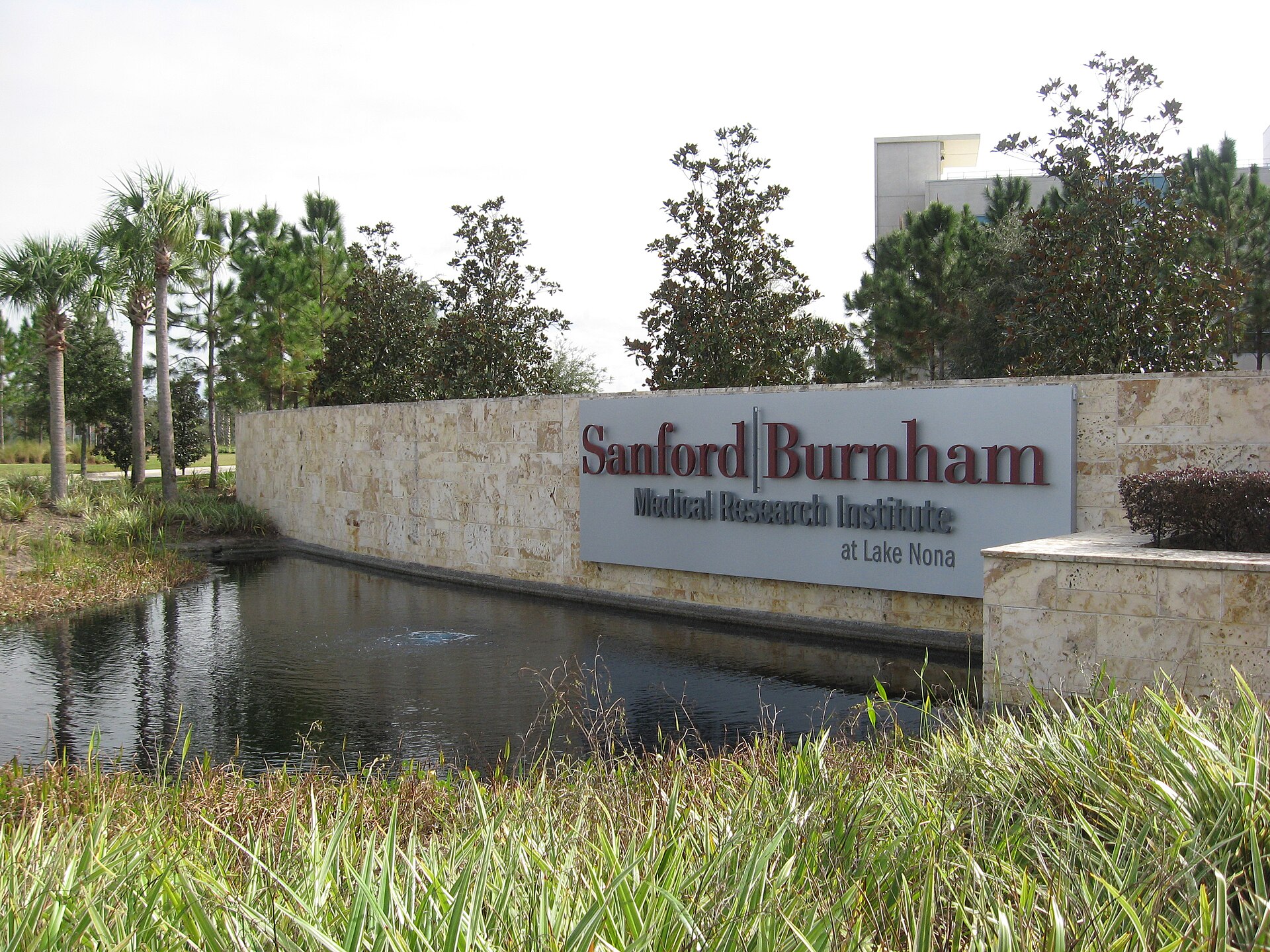
Scientists at Sanford Burnham Prebys have identified a protein that may help stop the progression of Alzheimer’s disease by targeting toxic clumps in the brain. The study, published in Science Advances, shows that increasing levels of a protein called SORLA reduces the buildup of abnormal tau proteins and preserves the connections between nerve cells.
Tau proteins are essential for keeping brain cells stable. In Alzheimer’s and other related disorders, these proteins become abnormal and stick together, forming harmful clumps known as tau tangles. These tangles disrupt nerve cell function and are linked to cognitive decline and neuronal death. Diseases characterized by this abnormal accumulation are collectively called tauopathies.
Reducing Toxic Buildup in Mouse Models
The research team investigated SORLA, a protein already known for its role in limiting amyloid-beta, another key protein associated with Alzheimer’s. While previous studies showed SORLA could suppress amyloid-beta, its effect on tau tangles remained unclear. To test this, the scientists created a mouse model by breeding animals engineered to produce extra human SORLA with mice that naturally develop tau tangles and brain shrinkage.
The results showed that higher SORLA levels provided significant protection against several processes that contribute to tau tangles. One major effect involved reducing hyperphosphorylation, a process where too many phosphate groups attach to tau proteins, altering their behavior and promoting clump formation. The protein also limited the ability of misfolded tau to act as seeds that encourage other tau proteins to clump together.

Timothy Huang, PhD, assistant professor in the Center for Neurologic Diseases at Sanford Burnham Prebys, noted that while data on SORLA’s role in amyloid-beta suppression has existed for years, its impact on tau was a new frontier. “Very little was known, however, about whether SORLA affected the tau tangles reflected on the other side of the coin in Alzheimer’s disease,” he said.
Protecting Brain Structure and Function
Beyond reducing tau abnormalities, SORLA helped preserve synapses, the specialized connections through which neurons communicate. It also protected synaptic plasticity, the brain’s ability to strengthen or modify those connections, which is essential for learning and memory. Huijie Huang, PhD, a staff scientist in the Huang lab and lead author of the study, stated, “When you upregulate SORLA, you can suppress the negative effects found in tauopathies. We found there was less brain atrophy and less tau accumulation, which was very exciting to see.”
To confirm these findings, the researchers examined mice that lacked the Sorl1 gene, which produces SORLA. The absence of the protein made harmful effects more severe, contrasting sharply with the protective effects seen in mice with extra SORLA. Tim Huang, the senior and corresponding author, explained, “The opposite turned out to be true when we deleted the ability to produce SORLA proteins. A lack of SORLA exacerbated the harmful effects observed in tauopathies.”
Advanced sequencing methods revealed that increasing SORLA helped prevent harmful changes in protein production at synapses and suppressed other mechanisms associated with tauopathy progression. The analysis also showed that higher SORLA levels reduced abnormal gene activity in glial cells, which support and protect neurons.

Potential for Existing Drug Repurposing
The study identified a specific molecular pathway that could be targeted by existing medications. Researchers found that the absence of SORLA led to the upregulation of a member of the plexin-B family of receptors. These receptors are involved in cellular signaling, and their increased activity when SORLA is missing suggests a link to the damaging changes in tau disorders.
Tim Huang highlighted the potential for immediate application: “There are unique drugs that can target this class of receptors that we may be able to apply to tau-related dementia disorders. One potential future direction is to repurpose these drugs to target overactivation of glial cells and perhaps reverse some of the phenotypes in tauopathies.”
While the findings are promising, the protective effects were demonstrated in mice. The team plans to investigate how individual types of brain cells respond when SORLA levels change by transplanting human neurons or glial cells into mouse brains. This approach will help clarify how SORLA protects neurons from toxic tau accumulation in a human disease context.
Source: ScienceDaily
