


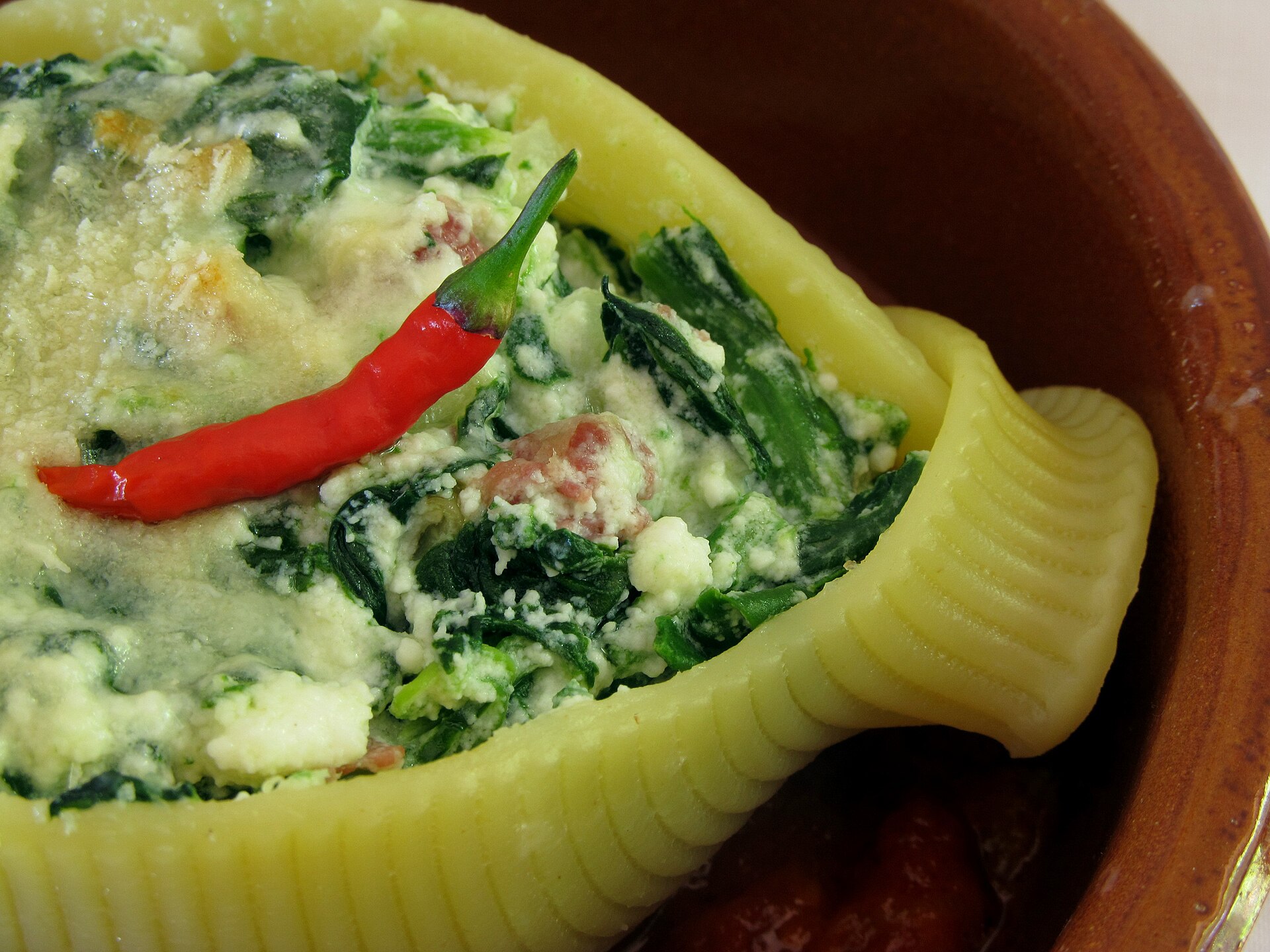
A recipe created for the Mondopasta festival in Gragnano, Italy, merges the culinary traditions of Senegal with the historic pasta-making heritage of southern Italy. Chef Astou Ndiaye, who was born in Dakar and now lives in Milan, devised the dish to celebrate the connection between the two regions.
Gragnano’s Milling History
Gragnano is located about 30 kilometres south of Naples, nestled against the Monti Lattari mountain range. The town sits in a valley that historically relied on natural springs feeding into the Vernotico stream. This water system powered a series of mills starting around 1263. Local historian Giuseppe Di Massa explained that gravity drove the water flow from one mill to the next, powering vertical millstones to handle inconsistent water levels.
The valley became known as the valley of the mills. It played a vital role in milling grain for Naples and surrounding towns, processing wheat that arrived at the nearby port of Castellammare di Stabia. The milling activity peaked in the 18th century. By 1859, the town had 81 pasta factories, which required hard durum wheat, while the mills produced soft wheat. The mills ceased operations in the 1950s and were largely abandoned until renovation projects converted some into small museums.
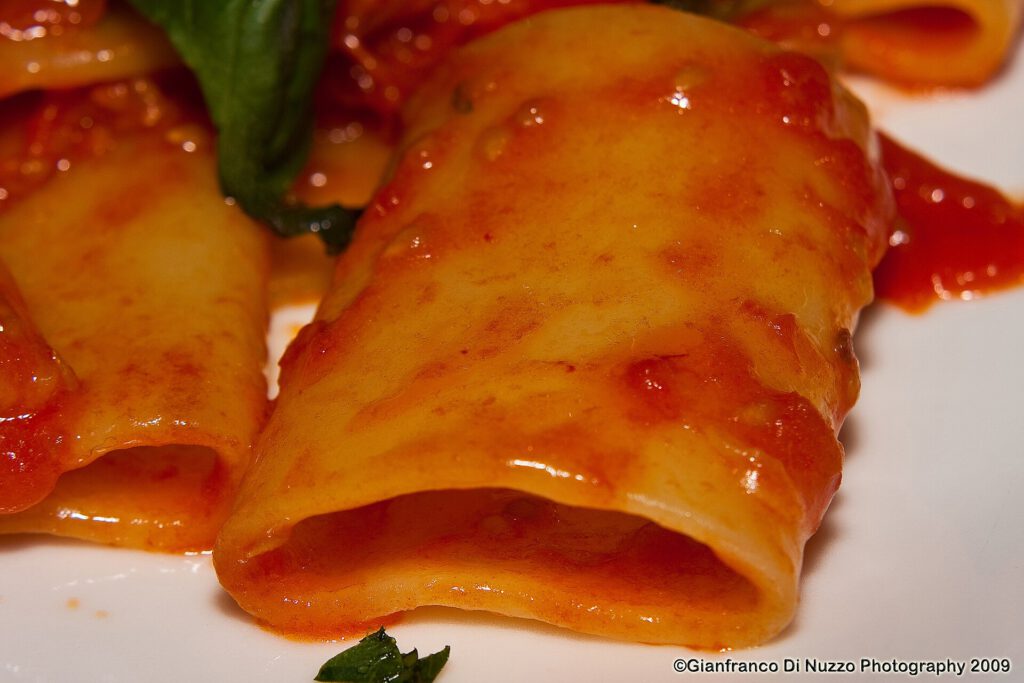
While milling stopped, pasta production grew. The industry leveraged the local climate, using temperature, humidity, and sea breezes to dry pasta. Historically, pasta was hung in strings over wooden frames in the streets and moved indoors when necessary. Today, 23 producers, including 15 in a consortium, make more than 100,000 tonnes of pasta annually. The town holds an Indicazione Geografica Protetta status, which protects the quality and provenance of the pasta.
Astou Ndiaye’s Senegalese Ragu
Chef Astou Ndiaye created a Senegalese-inspired ragu for this year’s Mondopasta festival. The recipe uses lamb shoulder, marinated in a blend of vegetables, coriander, and cloves. The meat is braised until it is soft enough to serve as a pasta sauce.
The preparation begins by pulsing celery, red pepper, shallot, coriander, garlic, cloves, and salt in a food processor. Half of this mixture is tossed with cubed lamb shoulder. The meat is then left to marinate for two to 24 hours. If the marination time exceeds three hours, the bowl should be covered and refrigerated.
To cook the dish, olive oil is warmed in a large, heavy-based pan. The marinated meat is browned in batches and then removed to a plate. Diced onions are added to the pan along with the remaining blended vegetable mixture, the marinade, paprika, and garam masala. The mixture is stirred well, with water added if it appears too dry.
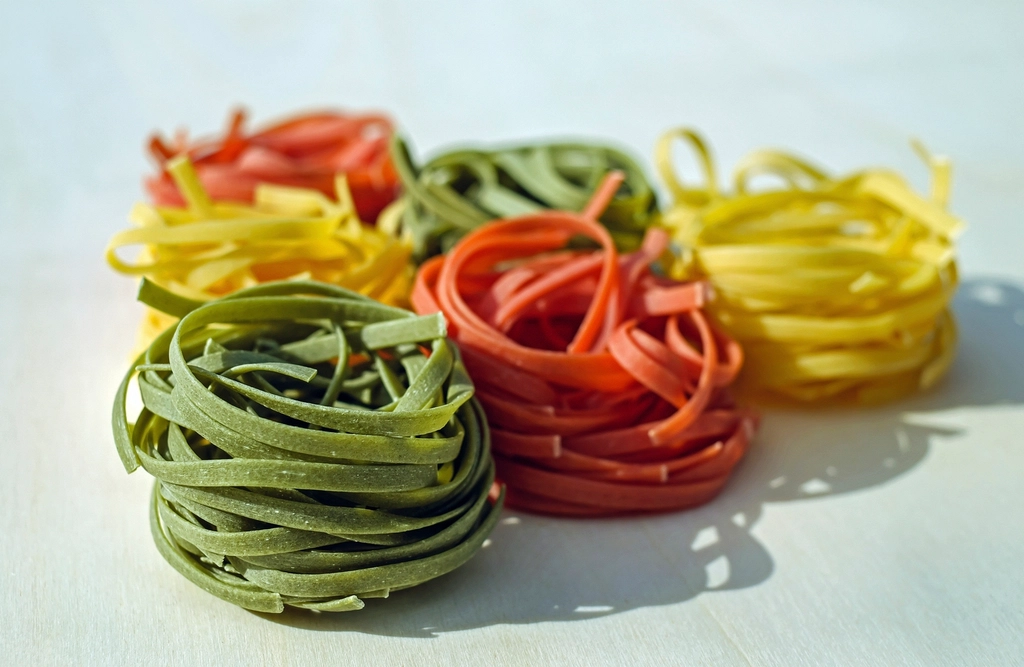
The browned meat is returned to the pan, stirred again, and combined with 300ml of water. The mixture is brought to a simmer, covered, and cooked for two hours. The goal is for the meat to become extremely tender and fall apart in a thick gravy. Meanwhile, pasta such as broken candele, maccheroni, or mezze maniche is cooked in salted boiling water.
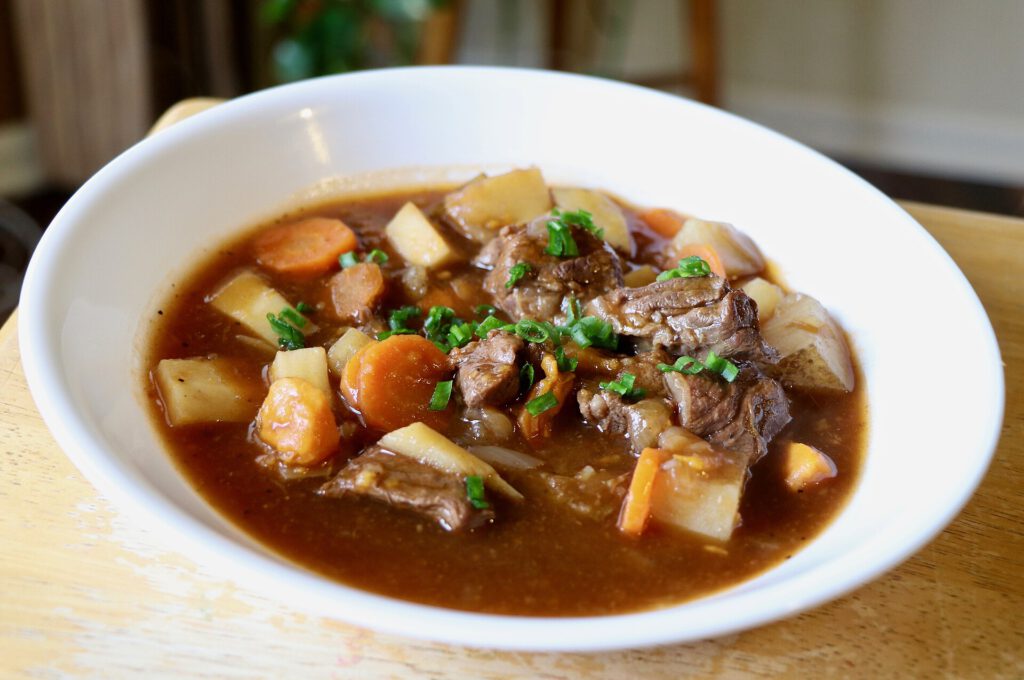
Serving involves placing half of the ragu in the bottom of a warm bowl. The cooked pasta is lifted on top, tossed with the sauce, and additional ragu is added as needed before a final toss. Ndiaye describes the dish as summing up the spirit of pasta di Gragnano, rooted in both Gragnano and Dakar.
Source: The Guardian
