


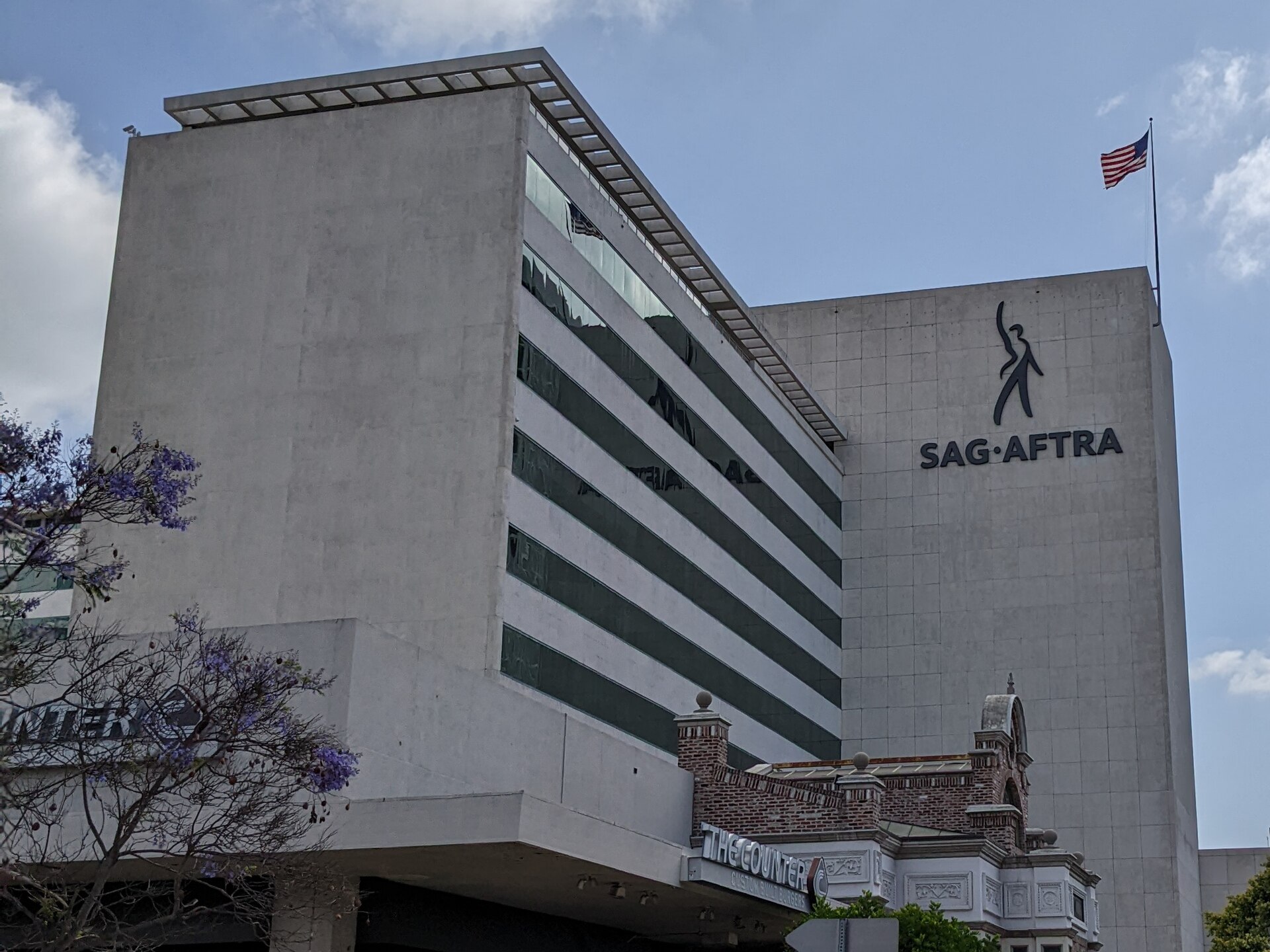
SAG-AFTRA, the Writers Guild of America, and the American Federation of Musicians are urging a federal judge to reject a broad fair use exemption for artificial intelligence training. The three unions filed a joint amicus brief on Thursday in the ongoing copyright infringement lawsuit involving OpenAI and numerous news organizations and authors.
The brief argues that allowing tech companies to use third-party content without permission to train language models constitutes an appropriation of labor from middle- and working-class professionals. The unions contend that a categorical exemption would facilitate a massive transfer of value from individual creators to large corporations.
Protecting Human Creativity
The 34-page document emphasizes the essential role of human input in all forms of writing and artistic creation. The unions specifically highlighted the news industry, which forms a central part of the current legal battle, to illustrate the broader negative impact on the creative economy.
According to the brief, the dispute should be treated as a standard copyright case rather than an unprecedented legal challenge. The unions assert that fair use determinations must remain specific to individual circumstances rather than applying blanket exemptions that favor technology developers over content creators.
“The harms of unlicensed training fall not just on companies like the News Plaintiffs, but on the countless professionals behind the work,” the filing states. The unions warn that such training practices undermine the economic stability of the very workers whose output powers these AI systems.

Impact On Negotiated Agreements
The legal action involves a consolidated lawsuit against OpenAI, bringing together claims from major publications like The New York Times, regional newspapers in Florida and Arkansas, The Intercept, and a wide array of prominent authors. High-profile writers including Ta-Nehisi Coates, George R.R. Martin, John Grisham, and Michael Connelly are among the plaintiffs.
Artificial intelligence was a primary driver of the 2023 labor strikes that shut down Hollywood for months. During the 2026 contract negotiations, the unions successfully secured provisions requiring companies to notify them and bargain before using licensed material to train commercial generative AI systems.
The amicus brief argues that a court ruling declaring AI training to be categorically fair use would effectively nullify the hard-won bargaining rights established in those contracts. The unions state that these negotiated terms presuppose that training on covered work is a licensable activity, giving creators a direct stake in how their work is used.
A decision in favor of OpenAI would not only affect the current plaintiffs but also set a precedent that could reshape the licensing market for creative content. The unions maintain that protecting these rights is essential to preventing the exploitation of human workers in the digital age.
Source: Deadline
