


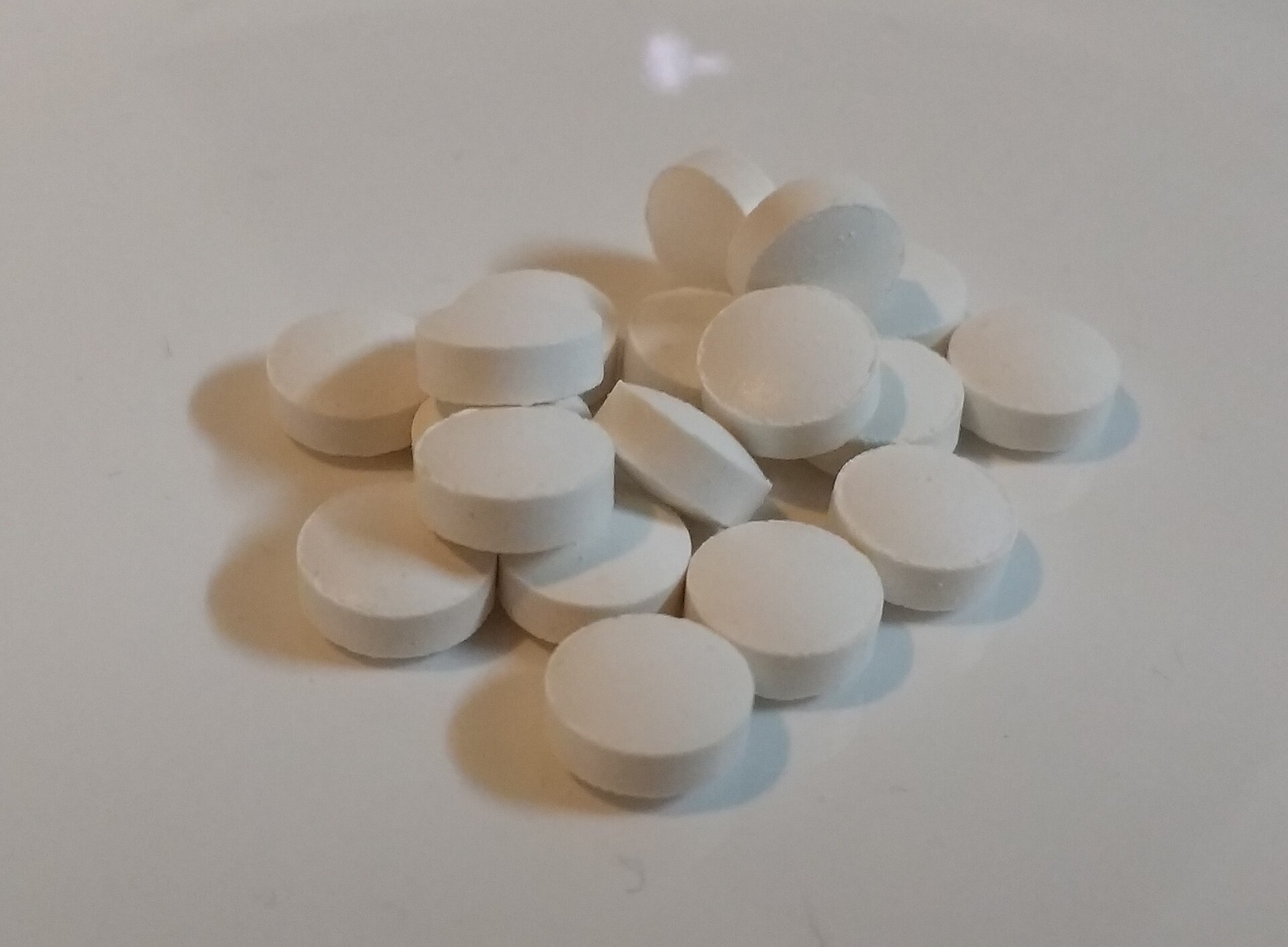
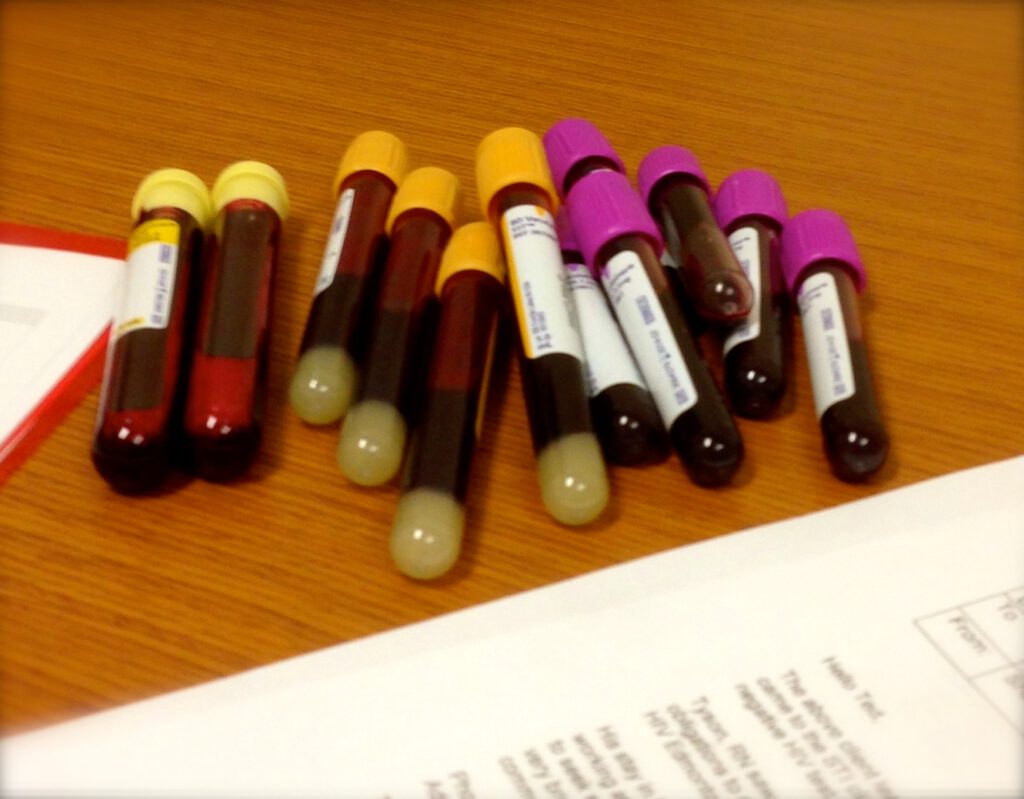
A 23-year-old special educational needs teacher in the UK collapsed at her workplace after experiencing sudden dizziness, nausea, heart palpitations, and overheating. The incident, which occurred with no prior warning, led to a diagnosis of severe vitamin D deficiency, with blood tests showing levels that were “next to nothing”.
Saskia Reeves-Priestley, who is also a keen goalkeeper playing football four times a week, described the episode as shocking. Despite maintaining an active lifestyle and feeling generally fit, she had no idea she was lacking the essential nutrient. Her case is part of a broader trend where low vitamin D rates are increasing in certain age groups, particularly among girls and young women.
Rising Deficiency in Young Women
Data from the National Diet and Nutrition Survey indicates that nearly a quarter of 11- to 18-year-olds in the UK were classified as deficient last year. The body typically produces vitamin D when UV light from sunlight hits the skin, although it can also be obtained through diet or supplements.

Factors such as darker skin tones, which require stronger light exposure to produce the same amount of vitamin D as lighter skin, and the use of sunscreen or covering parts of the body, can impact production. Lower levels of sunlight, depending on location and time of year, further decrease the body’s ability to generate the nutrient.
Amaka Osu, a 21-year-old student in Liverpool, experienced similar symptoms. While making dinner, she began shaking and lost her vision. Her housemate took her to the emergency department, where she was also diagnosed with vitamin D deficiency. Osu noted that she had dismissed earlier fatigue as normal stress from work and university, unaware it could be linked to her health.
Silent Disease and Medical Response
Dr. Suma Uday, a paediatric endocrinologist, describes vitamin D deficiency as a “silent disease” because symptoms like fatigue, joint pain, and bone pain are often missed or misdiagnosed. In infants, the deficiency is linked to rickets, while in adults, it causes osteomalacia, a condition that softens bones and makes them prone to breaks.
“It’s basically silently eating away at the bones, leaving them softened and prone to breaks,” Uday said. She warns that untreated deficiency can create a lifelong deficit in women, affecting adolescence, pregnancy, and even newborns.
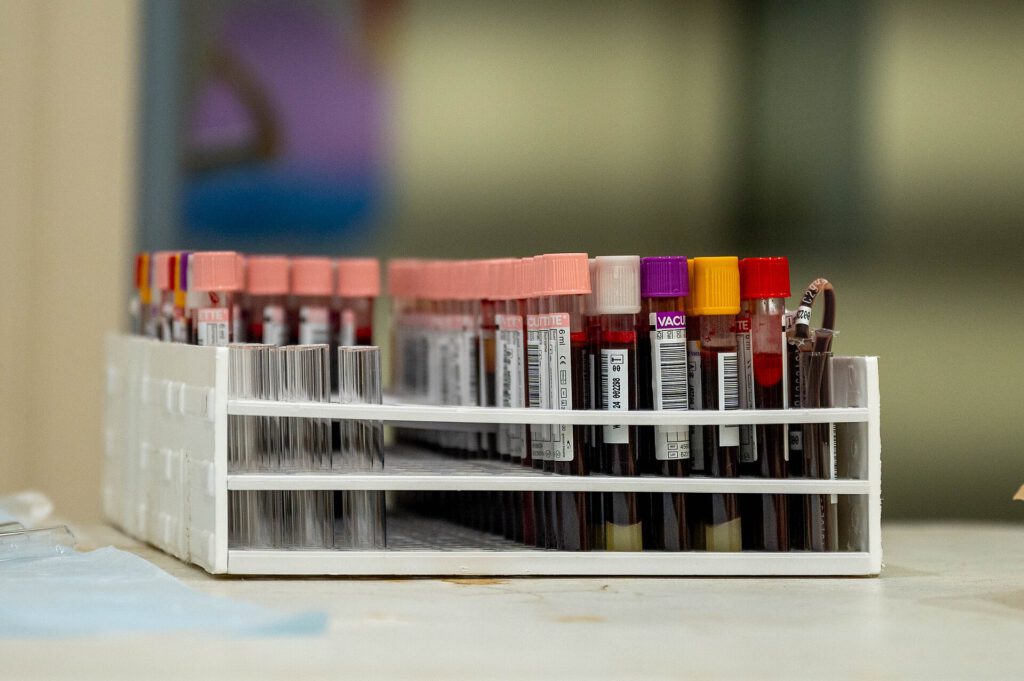
Doctors in the UK do not routinely offer blood tests for vitamin D deficiency but will prescribe supplements if a patient is considered high risk. A group called ACT NOW Vitamin D, formed by clinicians and academics, is calling for the threshold for deficiency to be raised. This change would help identify more cases and allow for earlier treatment.
Professor Martin Hewison from the University of Birmingham emphasized that rickets has not disappeared despite being discovered 100 years ago. He suggested that the government should consider mandatory food fortification, similar to policies in Canada and Sweden, to address the widespread issue.
Reeves-Priestley is now taking regular supplements and has returned to playing football. Osu also reports feeling much better after starting treatment, though she remains anxious about a recurrence. Both cases highlight the importance of recognizing symptoms and seeking medical advice for those at risk.
Source: BBC
