


The latest installment of the BBC’s flagship natural history franchise, Blue Planet III, has arrived on BBC One and iPlayer. Narrated by 100-year-old David Attenborough, the series aims to capture the public imagination once again, though the cultural landscape has shifted significantly since the original series debuted in 2001. While the show may not carry the same singular weight as its predecessors, it stands as a compelling wildlife documentary that balances entertainment with urgent environmental messaging.
Marine Mysteries and Hunting Tactics
Episode one opens in Shark Bay, Western Australia, where the production team solved a long-standing biological puzzle. Viewers are shown dolphins clutching sea sponges in their mouths, a behavior that had previously baffled scientists. The accompanying behind-the-scenes featurette reveals the effort required to capture this footage. The team utilized advanced remote cameras and had to carefully approach the animals. The production also highlighted the genuine dangers faced by the crew, including a cameraman named Alex who faced the risk of being attacked by a tiger shark during the shoot.
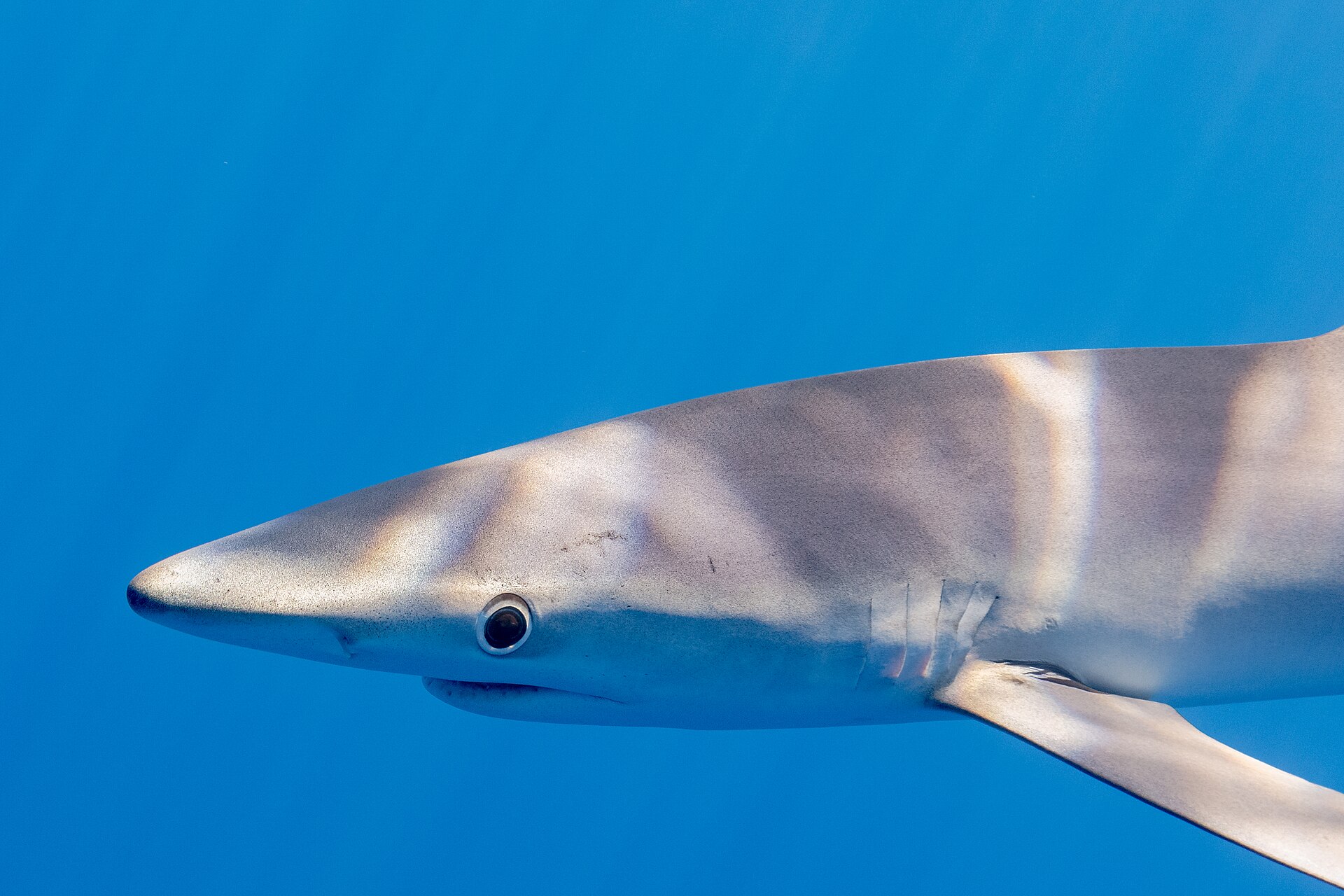
The series also documents new observations of shark behavior in northern Australia. Tawny sharks are shown hunting in coordinated packs. Rather than chasing prey individually, the sharks employ a deceptive strategy. They pretend to be asleep to avoid spooking herring, then work together to drive the fish toward the shore. This collective effort allows them to trap the minnows and feed efficiently. The footage provides a rare look at complex cooperative hunting in marine predators.
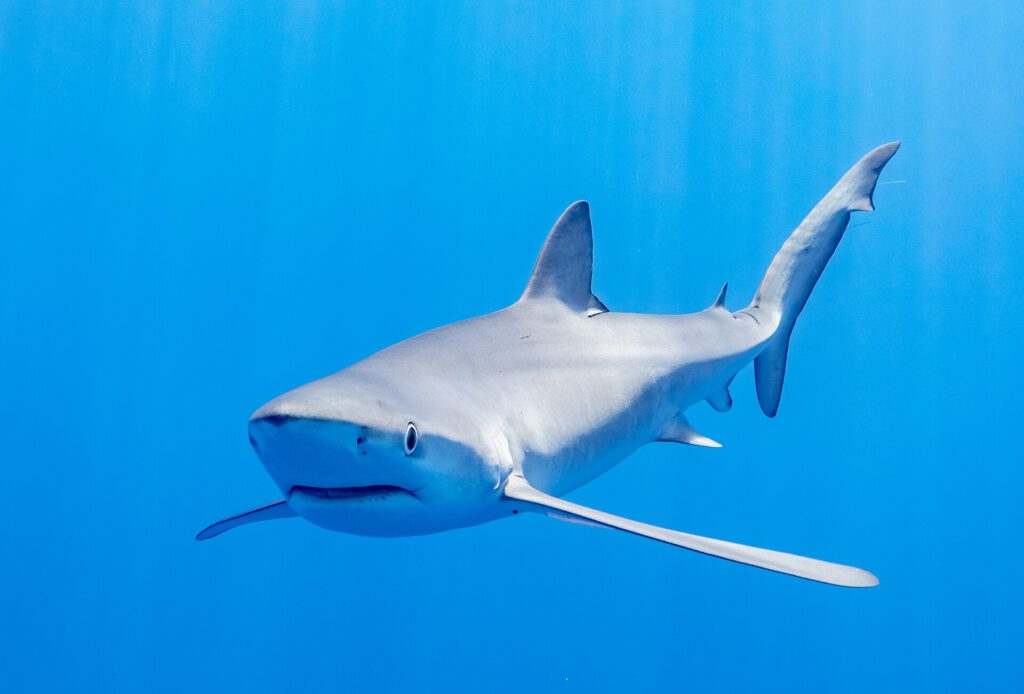
Another sequence takes place in Brazil, focusing on the interaction between sharks and sea turtles. The documentary uses a drone and a camera mounted on a turtle’s back to film the chase. The turtle feeds on seaweed in deeper waters but must surface to breathe. This action alerts nearby sharks to its presence. The footage captures the turtle fleeing to shallower water and executing a sharp turn that causes the shark’s teeth to glance off its hard shell. The use of multiple camera angles provides a clear view of the predator-prey dynamic.
Climate Impact and Conservation Plea
Not all segments of Blue Planet III focus on action. The series includes lighter moments featuring harlequin shrimp in Indonesia. These crustaceans, known for their two-tone coloring, are shown tumbling around as they attempt to eat a starfish. The starfish loses an arm in the process, providing a humorous contrast to the more intense survival scenes. Similarly, a segment on fiddler crabs in Brazilian mangroves depicts the animals’ mating rituals. Males wave their large claws to attract females, but the scene ends with one crab being eaten by a scarlet ibis while distracted by a rival.
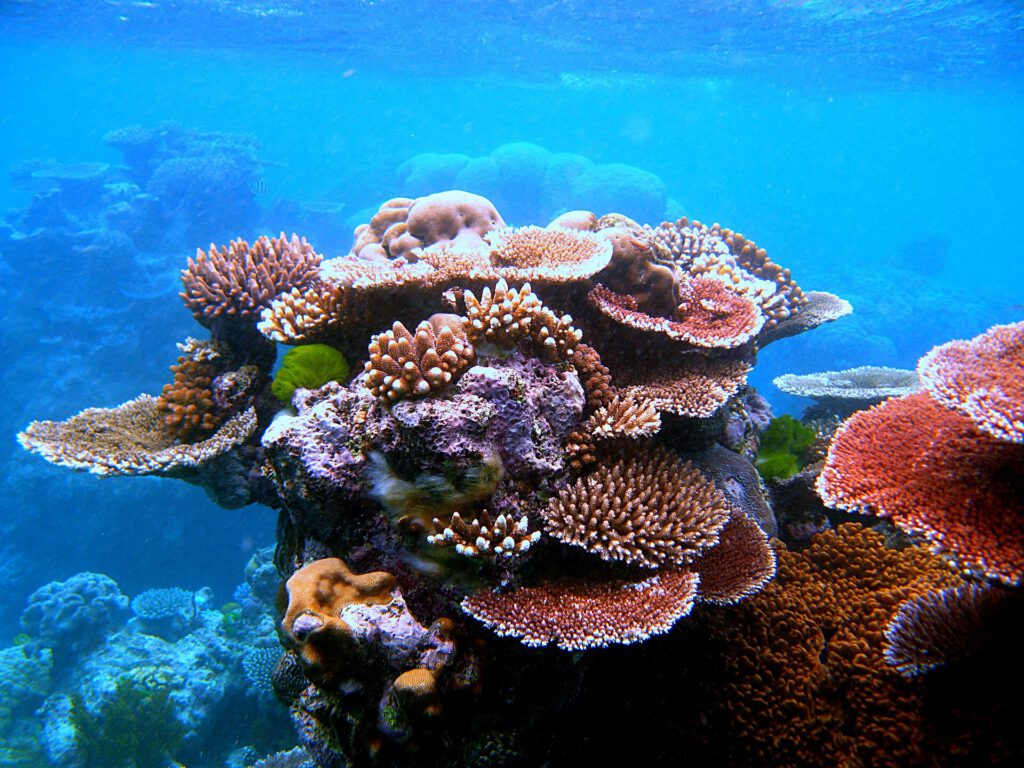
The tone shifts dramatically when the series addresses climate change. A segment on clownfish and anemones illustrates the effects of rising ocean temperatures. The clownfish is shown cleaning its anemone host, a behavior that becomes critical during a heatwave. The documentary uses a before-and-after edit to show the reef’s decline. The vibrant colors of the coral melt into dead blackish brown over a period of months. This visual evidence underscores the severity of the environmental damage.
Attenborough uses these scenes to deliver a direct message about conservation. He notes that the tiny fish helped protect their home despite the harsh conditions. He then asks viewers to imagine what could be achieved if humans worked together to protect their own environment. The series concludes with this call to action, framing the natural wonders shown throughout the episode as a reason to act. The production team hopes that the stunning footage will inspire a renewed commitment to ocean protection.
Source: The Guardian
