


The headlines about the US-China trade war have quieted, creating an illusion of stability. Donald Trump’s recent threats to link trade deficits to Federal Reserve interest rate cuts have not sparked the immediate panic seen in previous years. Instead, public attention has shifted toward political instability and artificial intelligence risks. However, this calm is deceptive. Under the surface, the world’s two largest economies are preparing for a potentially epic economic conflict that history suggests could spill over into physical confrontation.
The Illusion of a Truce
Washington and Beijing reached a truce last year to halt the escalation of tit-for-tat tariffs, extending the pause until next January. This agreement opened a narrow window for future trade deals and stopped the immediate cycle of retaliatory duties. Yet, neither side has established mutual assurances to prevent new hostilities. Both nations view this standoff as a national security priority essential for maintaining economic, technological, and military supremacy.

The current conflict differs from historical arms races. Rather than focusing solely on weapons production, the US and China are racing to secure their international supply chains while attempting to throttle those of their rival. This strategy dates back to the pandemic, when Chinese leader Xi Jinping urged the nation to tighten production chains to deter foreign supply cuts. Similarly, former US National Security Adviser Jake Sullivan outlined a strategy to build a “small yard” of forbidden technology surrounded by a “high fence” of trade controls.
The Battle for Critical Minerals
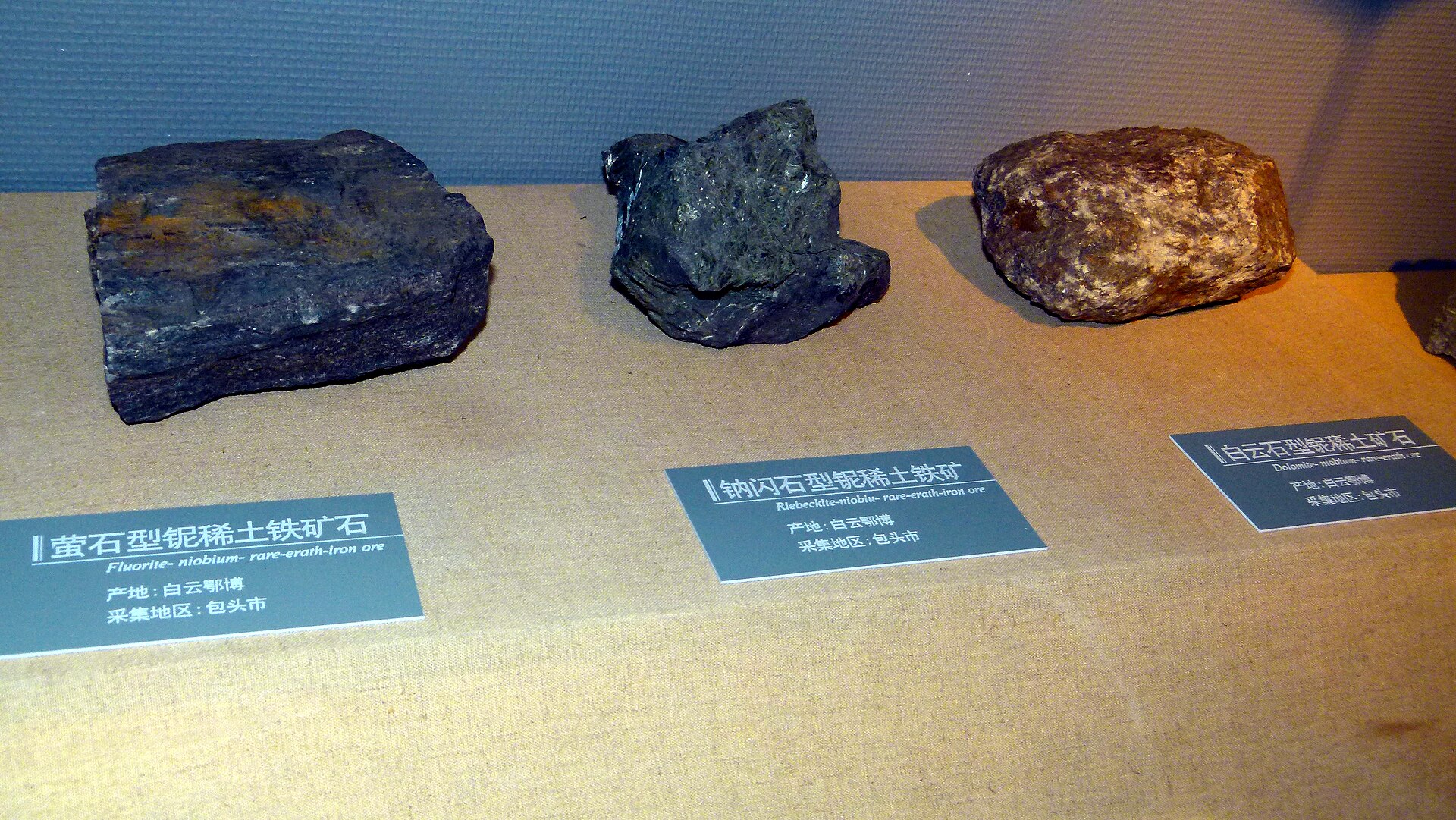
These initial rationales have since expanded. American restrictions on tech exports and investments have proliferated, slowing China’s broader technological progress. In response, China has leveraged its dominance over critical minerals essential for high-tech and military industries. Last year, Beijing throttled exports of rare earths and magnets to retaliate against US tariffs and semiconductor restrictions. While some controls have been relaxed, many remain in place.
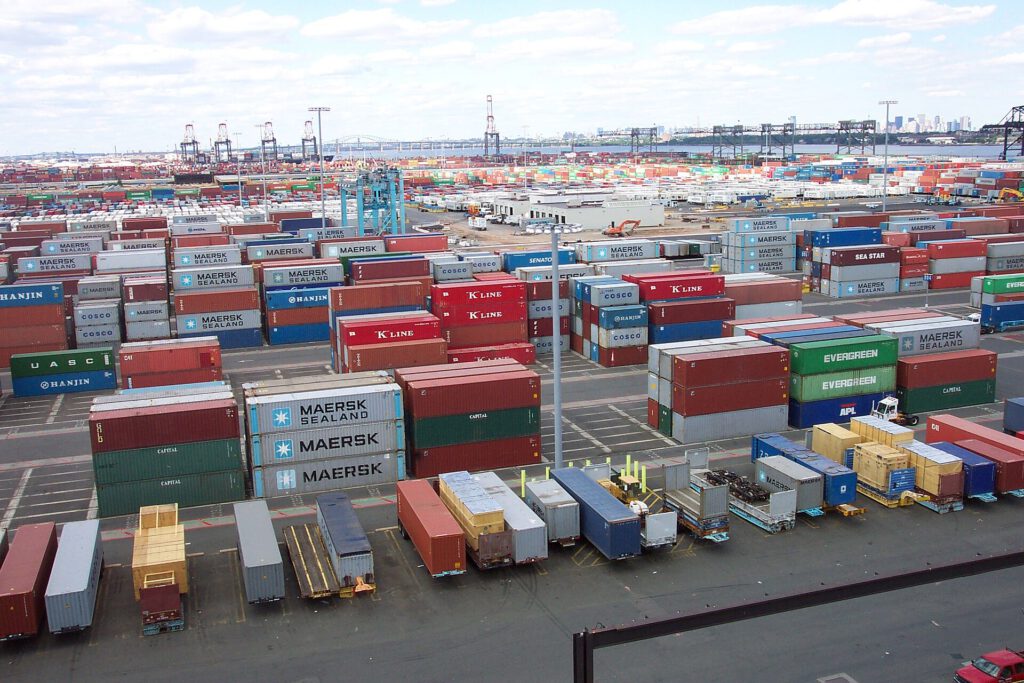
The stakes are exceptionally high. The International Energy Agency estimates that blocking access to rare earth magnets could cost the US and European economies approximately $1.5 trillion annually. China has also announced new export restrictions on artificial intelligence chips and solar power technology, while threatening to punish countries that reduce their dependence on its mineral inputs.
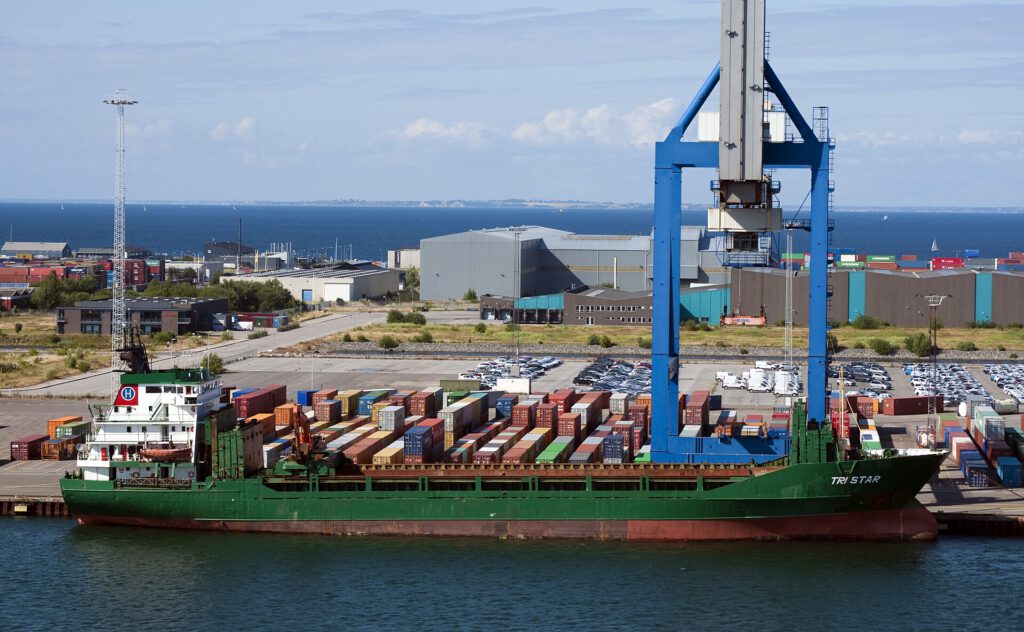
Washington is responding by pouring hundreds of millions into domestic mining and processing projects to close the gap with China. Simultaneously, the US is doubling down on efforts to limit China’s access to frontier semiconductors and the lithography machines required to manufacture them. This dynamic has transformed trade from a tool for global peace into a theater of war, where interdependence is viewed as a vulnerability rather than a strength.
Source: The Guardian
