


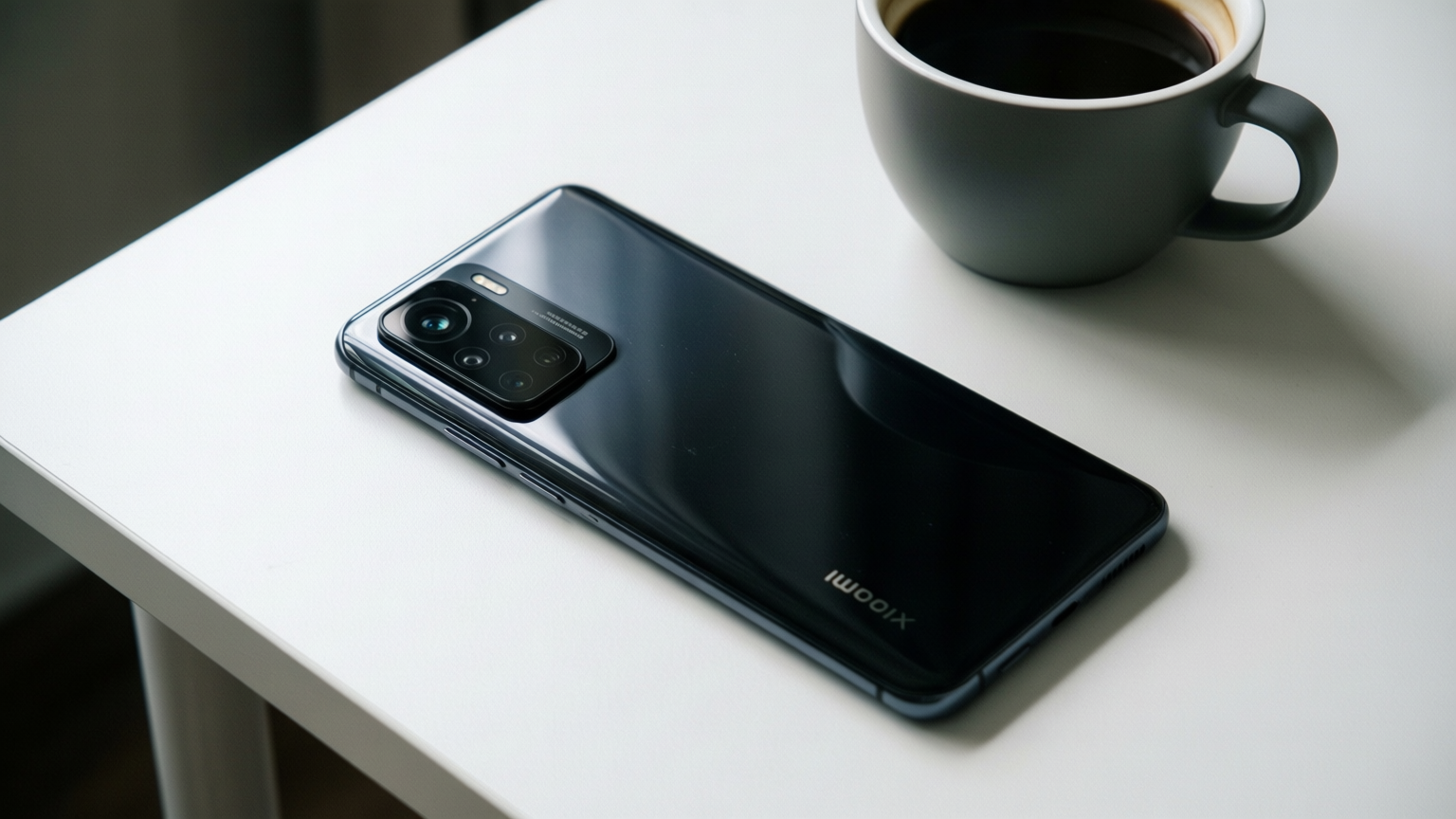
Xiaomi has returned to the dual-screen smartphone market with the new 18 Pro and 18 Pro Max. These devices follow the company’s 2021 Mi 11 Ultra by placing a secondary display on the back of the phone. While the rest of the hardware is highly competitive, the rear screen remains a niche feature with limited utility.
Xiaomi 18 Pro Pricing and Hardware
The Xiaomi 18 Pro is priced at £1,199, while the larger Pro Max costs £1,399. These prices position the devices to compete directly with the latest iPhone Pro models in the UK and European markets. The phones feature 6.4-inch and 6.9-inch front displays, respectively, and are powered by Qualcomm’s Snapdragon 8 Elite Gen 6 processors.
Battery capacity varies between the two models. The standard Pro includes a 6,000mAh battery, while the Pro Max features a larger 7,050mAh unit. The Pro Max also supports 100W wired charging, which is 10W faster than the standard model. Both devices offer comfortable daily battery life, though they do not quite match the endurance of some recent competitors from Oppo and Vivo.
The rear display on both phones is small, measuring either 2.7 or 2.9 inches depending on the model. It wraps around the main camera lenses and serves primarily as a viewfinder. Users can set wallpapers, view notifications, or control media playback, but the interface is restrictive. Notifications appear as large icons without text, and there are no interactive quick replies. The screen cannot run full applications, though it supports simple AI-generated tools powered by Google’s Gemini 4 Argon.
Camera Performance and Leica Partnership
The primary strength of the Xiaomi 18 Pro lies in its main camera system. The device features two excellent 200-megapixel sensors for the main and telephoto lenses. These sensors perform well in almost any lighting condition. The telephoto lens also has a short minimum focusing distance of 12 centimeters, allowing it to function as a capable macro camera.
The Pro Max holds a slight photographic advantage due to a LOFIC sensor in its main camera. This sensor provides an expanded 16-stop dynamic range, which helps capture better highlights in difficult lighting. Most users will not notice a significant difference between the two models in everyday shooting.
Xiaomi continues its partnership with Leica, offering Vibrant and Authentic shooting modes. A new Original mode splits the difference between the two. The Essential Moments mode uses AI to simulate retro Leica aesthetics in 35mm or 75mm lens styles.
The ultrawide camera is the weakest link in the system. It is positioned low on the body, which often leads to finger obstruction. The 17mm focal length offers little extra width compared to the main camera, and the smaller sensor produces noticeably lower quality images, especially in low light. The front-facing selfie camera is decent for video calls, but the rear screen makes the main camera the superior choice for photography.
Privacy Display and Final Verdict
Both phones include a privacy display feature similar to technology found in the Samsung Galaxy S26 Ultra. This feature switches pixel sets to make the screen difficult to view from the side. Xiaomi’s implementation is more flexible than Samsung’s, allowing users to activate it for specific apps or notifications. It also works with split-screen windows without affecting other open applications. However, the visual effect is less effective than the competitor’s version.
The Xiaomi 18 Pro and Pro Max are strong flagships with excellent cameras and solid performance. The rear screen, however, adds complexity without providing significant daily value. Given the high price points, buyers may find that the dual-screen feature is a compromise rather than an upgrade.
Source: The Verge
