


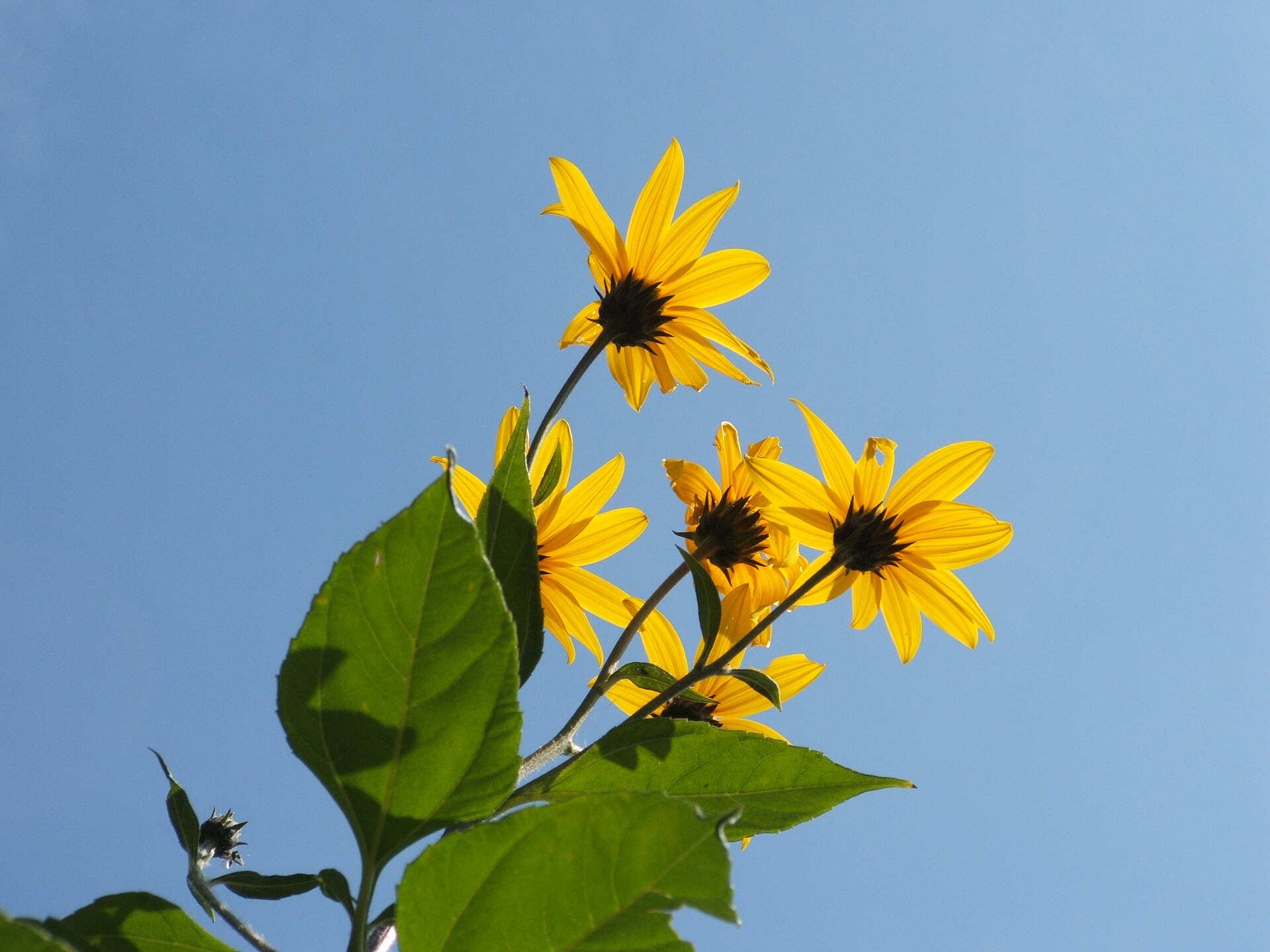
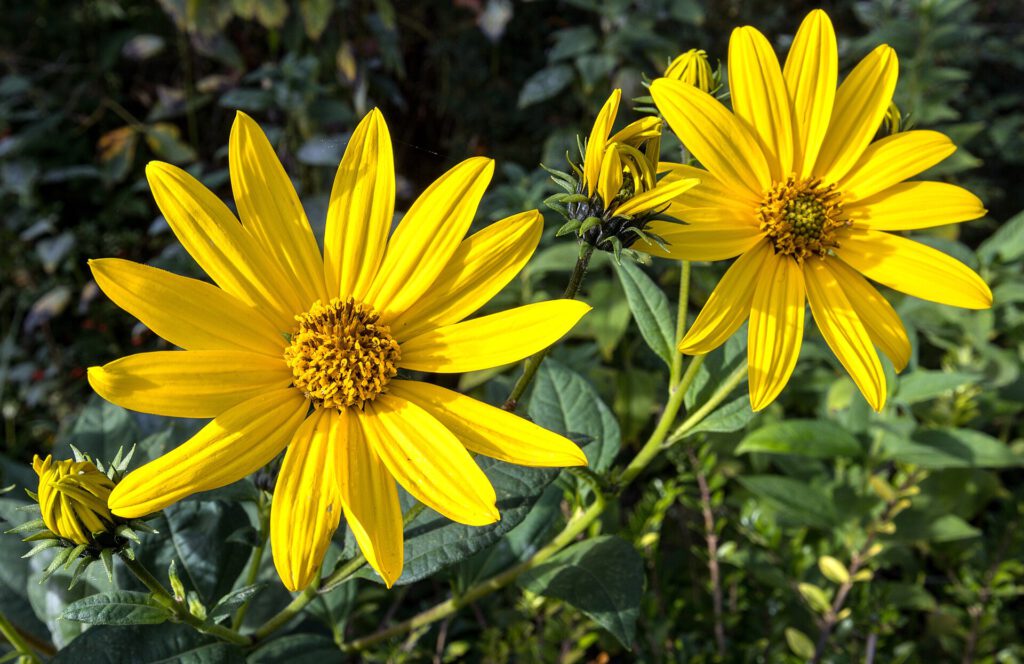
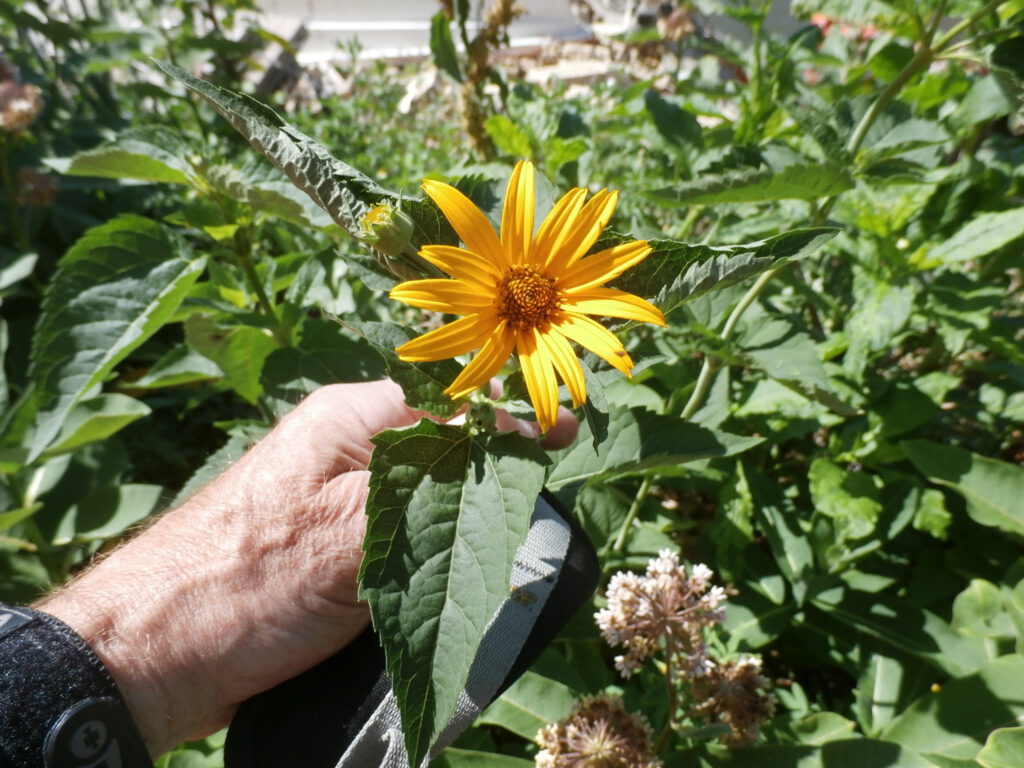
Jerusalem artichokes are a staple in many gardens, yet they remain less common than their ease of growth might suggest. These tubers belong to the sunflower family and have no botanical connection to the globe artichoke. They produce tall, leggy stems topped with bright yellow flowers. While they do not reach the massive size of their sunflower cousins, they compensate by producing large quantities of edible underground tubers.
Why Jerusalem Artichokes Are Rarely Seen
There are two primary reasons these tubers do not appear in every vegetable patch. The first is digestive. The tubers contain a carbohydrate that can be difficult for the human gut to process, leading to the nickname “fartichokes.” To mitigate this, it is best to cook them thoroughly and introduce them to your diet slowly. Some people eat them raw, but those with sensitive digestion should proceed with caution.
The second reason is their aggressive growth habit. Once planted, Jerusalem artichokes tend to stay in the ground indefinitely. They spread rapidly and can become invasive if not managed. This permanence is a double-edged sword. It means you can plant them once and harvest for years, but it also means you must be prepared to deal with their expansion.
Planting and Soil Requirements
These plants thrive in full sun and moist soil. They are particularly useful on slopes, where their root systems can help absorb excess water and prevent erosion. However, they do not tolerate waterlogged conditions. Poorly draining soil will cause the tubers to rot. Therefore, it is essential to choose a well-draining spot and water them generously during dry spells. They are somewhat drought-tolerant, but the resulting tubers will be smaller.
Start your crop by planting bought or given tubers in early spring. Space them about a foot apart. If you harvest them in October or November, you can replant the tubers the following winter. Even if you do not replant, some tubers will remain in the ground and sprout the next year. This self-sustaining nature makes them a long-term investment for your garden.
Harvesting and Storage
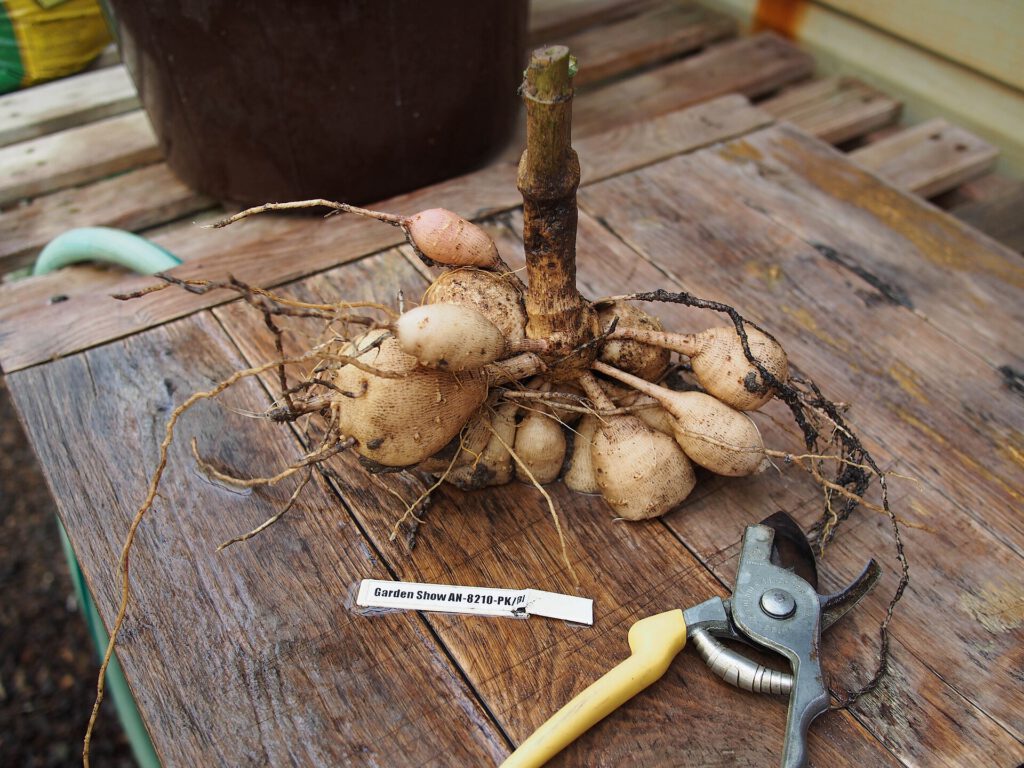
Harvest Jerusalem artichokes after the flowers have died back. You can leave them in the ground as long as the soil does not freeze completely. Once lifted, they do not keep well, so it is best to eat them soon after harvesting. For short-term storage, keep them in a dark, cool place. If you want to save tubers for planting next year, store them under a mulch of straw in the ground or in a container filled with moist soil or sand in a sheltered location like a greenhouse.
Source: The Guardian
