


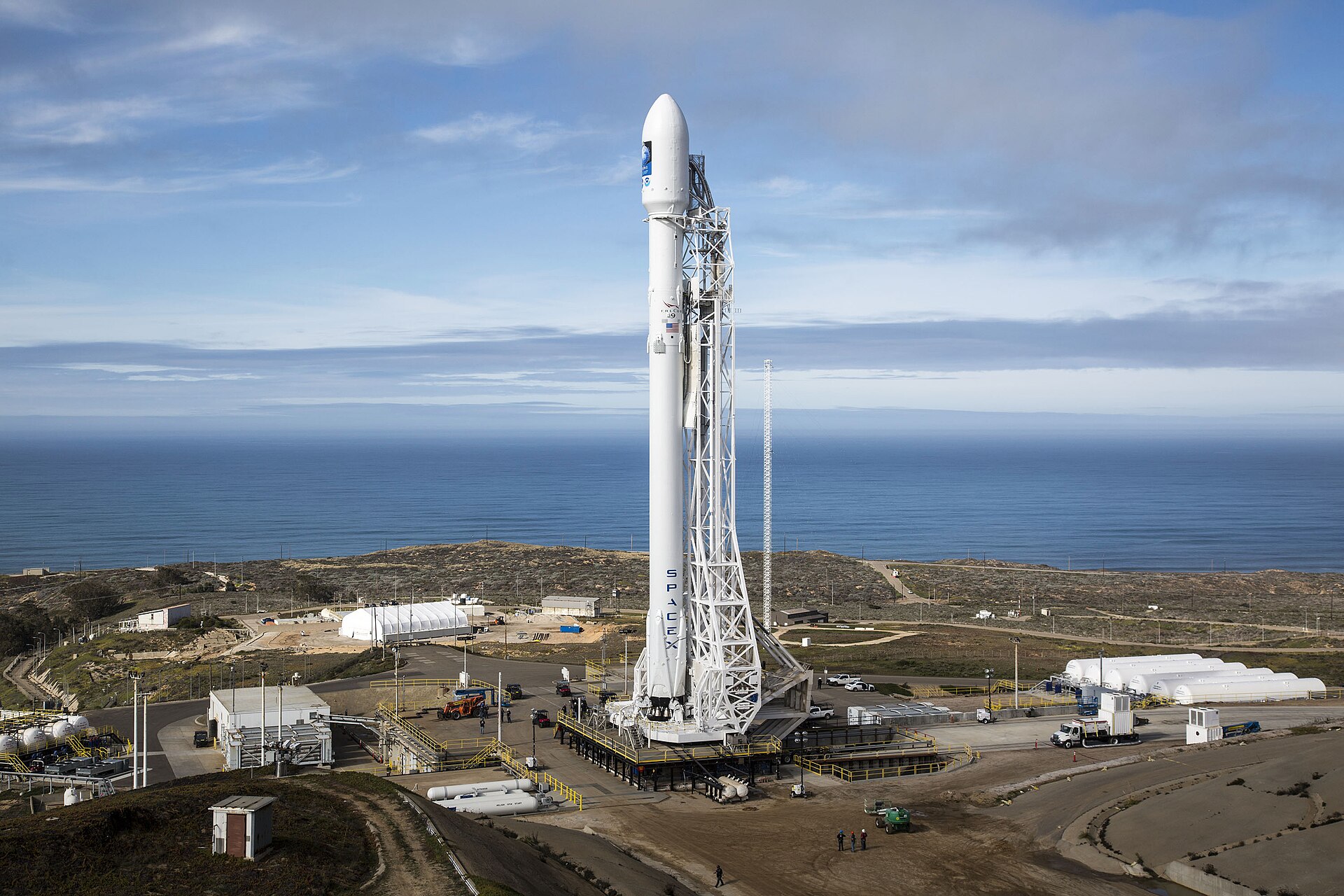
SpaceX has shifted from being primarily a rocket manufacturer to an infrastructure provider, according to Kiko Dontchev, the company’s vice president of launch. Speaking at the UP.Summit conference in Florida last week, Dontchev outlined how artificial intelligence is accelerating engineering workflows and why the Falcon 9 rocket is nearing the end of its operational life.
AI Accelerates Engineering and Quality Control
Dontchev described a rapid integration of AI tools across the company’s operations, a change he attributed to the acquisition of xAI earlier this year. While SpaceX engineers had used xAI’s Grok assistant for some time, Dontchev noted that adoption has surged significantly in the last 18 months.
“What’s happened at SpaceX is we’ve really gone through a huge acceleration of adoption,” Dontchev said. “Even just a year ago, we weren’t adopting it that quickly, but really starting this year, we started to adopt it extremely rapidly.”
The impact is visible in quality control processes. Dontchev explained that AI now automates the detection of foreign object debris, or FOD, in aerospace components. Human inspectors using borescopes to check tubes are approximately 94 percent accurate in finding debris. In contrast, Grok analyzing the same video footage achieves 99.9 percent accuracy. This level of precision has also been applied to visual inspections of Starlink customer terminals.
Dontchev stated that AI is now used at every level of the company, from technicians to leadership, effectively leveling the playing field and speeding up growth. He emphasized that these tools are critical to the company’s pace of innovation.
Falcon 9 Retirement and Starship Expansion
The shift toward infrastructure also marks the beginning of the end for the Falcon 9, the workhorse that has dominated global launch markets for a decade. Dontchev, who joined SpaceX before the rocket’s first flight in 2010, expressed deep affection for the vehicle but noted its fundamental limitation: it is not fully reusable.
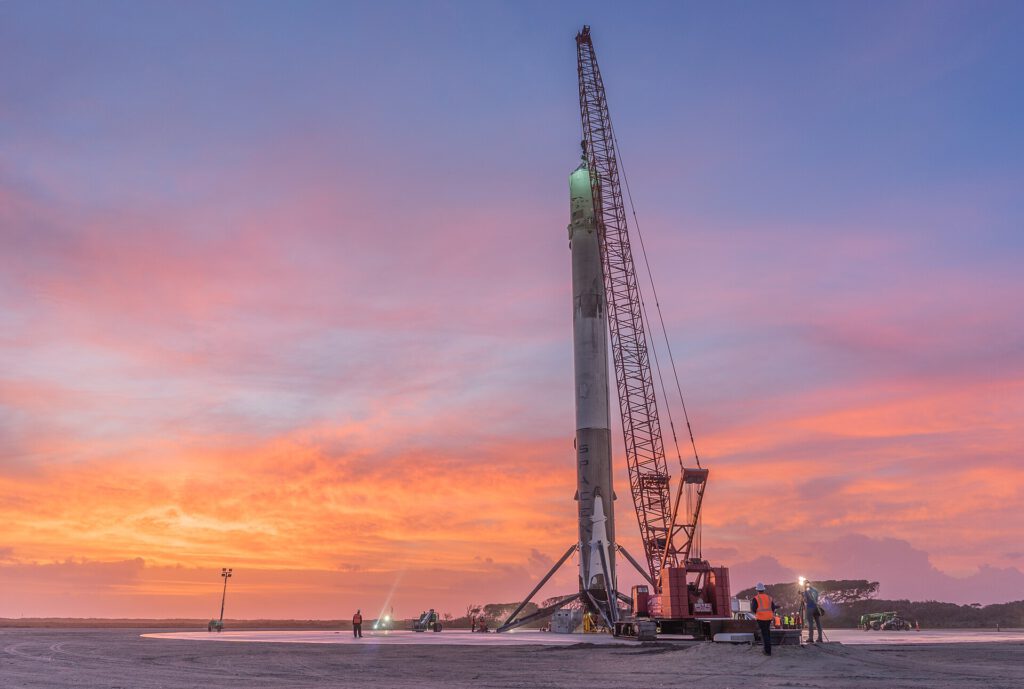
“Falcon 9, I love that rocket to heart,” Dontchev said. “I’ve launched many of them, all of them, in fact. But it’s still not fully reusable. We still throw that second stage away every single flight.”
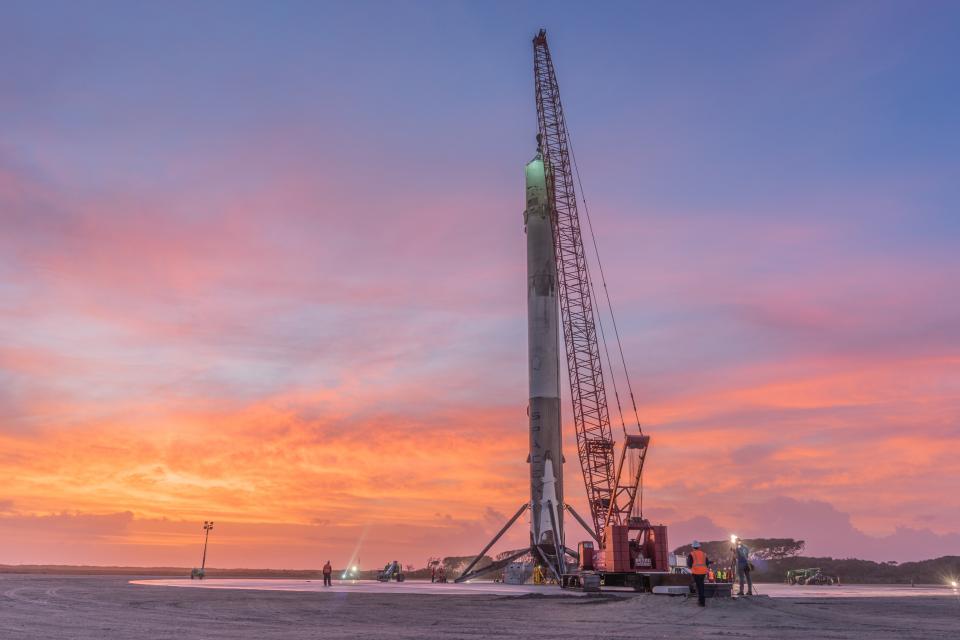
For a company aiming to conduct thousands of launches annually, potentially reaching 10,000, the cost and time required to manufacture new second stages for every flight is unsustainable. Starship, which is designed to catch and reuse both its first and second stages, is the intended replacement.
Dontchev highlighted that Starship is being optimized for productivity rather than just payload capacity. A single Starship mission launched from Florida can carry up to 20 times the bandwidth of a Falcon 9 launch due to more favorable orbital trajectories. The infrastructure for this transition is nearly ready. Dontchev confirmed that the pad infrastructure for Starship’s first launch tower at Kennedy Space Center’s Launch Complex 39A is effectively complete.
“We’re hoping to actually do the first transports this year in December, and then maybe even fly by the end of the year,” he said.
Long-Term Goals Remain Intact
Some spaceflight enthusiasts have expressed concern that SpaceX is drifting away from its original goal of settling Mars, especially as founder Elon Musk focuses heavily on orbital data centers and solar-powered satellites. Dontchev insisted that human settlement and Mars colonization remain core to the company’s aspirations.
“We have come to understand that this tool is critical to us accelerating our pace of innovation,” Dontchev said. “Without AI, I think we still would have gotten to the Moon. I think we still get to Mars with AI. We’re going to get there so much faster.”
Despite the clear roadmap for Starship, Dontchev did not address concerns from commercial launch customers about how Falcon 9’s capacity will be replaced in the coming years. Current indications suggest SpaceX will reserve Starship launches for its own Starlink network and government contracts like those with NASA for the foreseeable future.
Source: Ars Technica
