


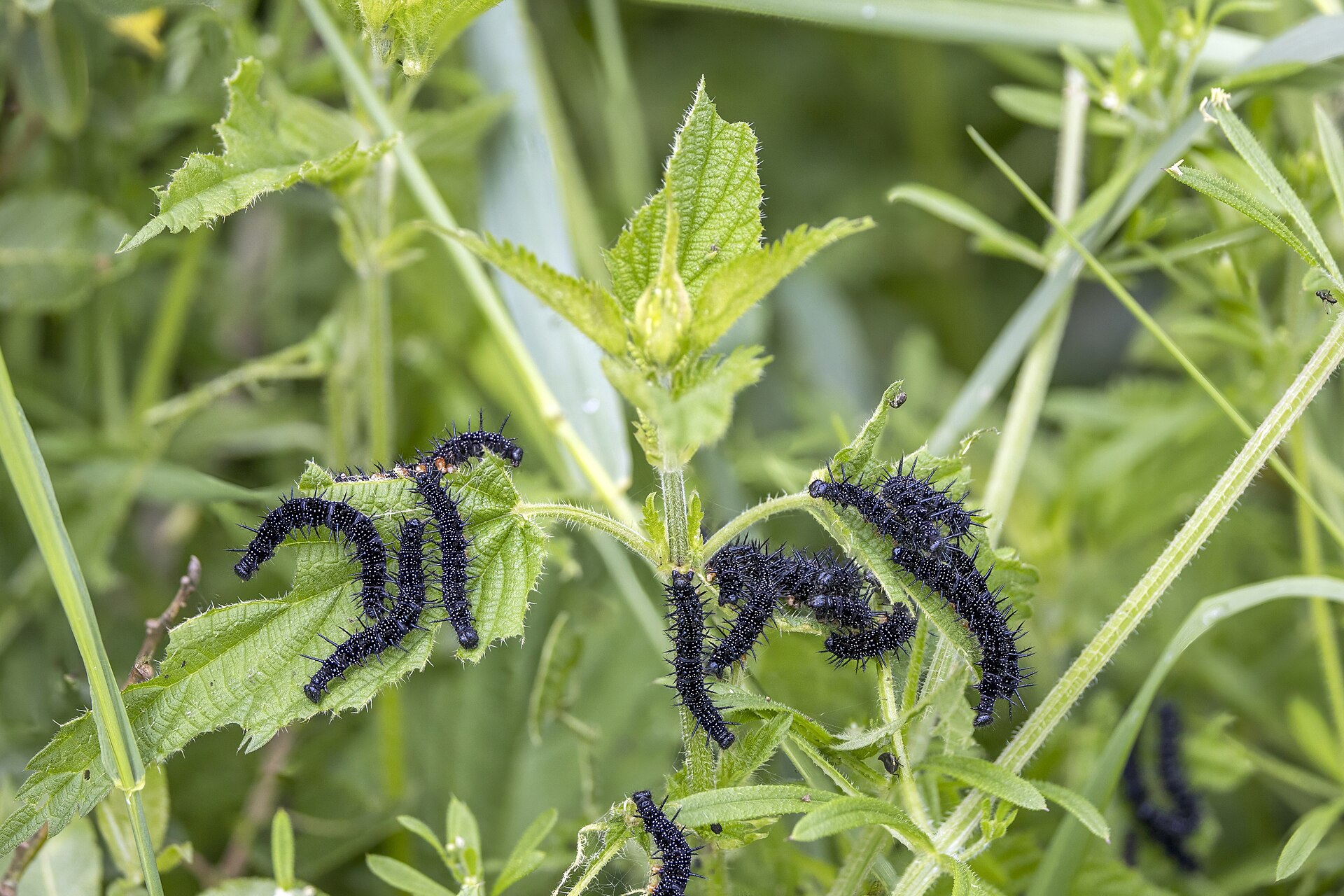
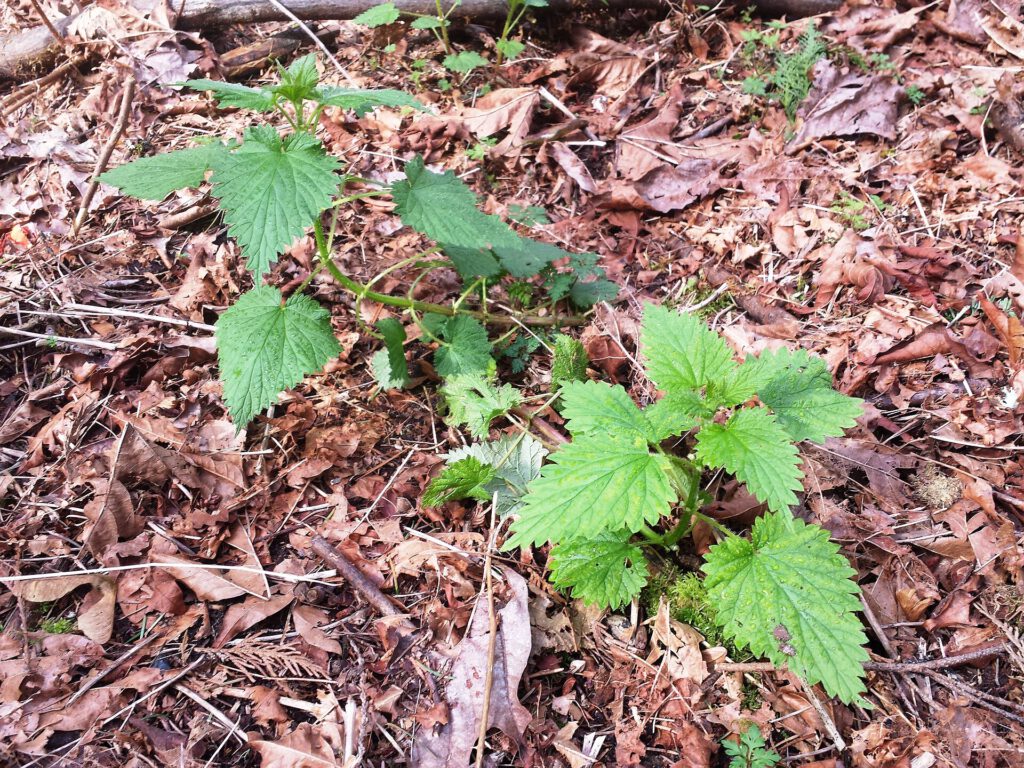
For generations, the standard response to a painful nettle sting has been to find a dock leaf and rub it on the affected area. The wide green leaves of the dock plant often grow in close proximity to stinging nettles, making the remedy seem conveniently designed by nature. However, according to recent analysis, this time-honoured treatment is unlikely to offer any unique medical benefit.
The Chemistry of the Sting
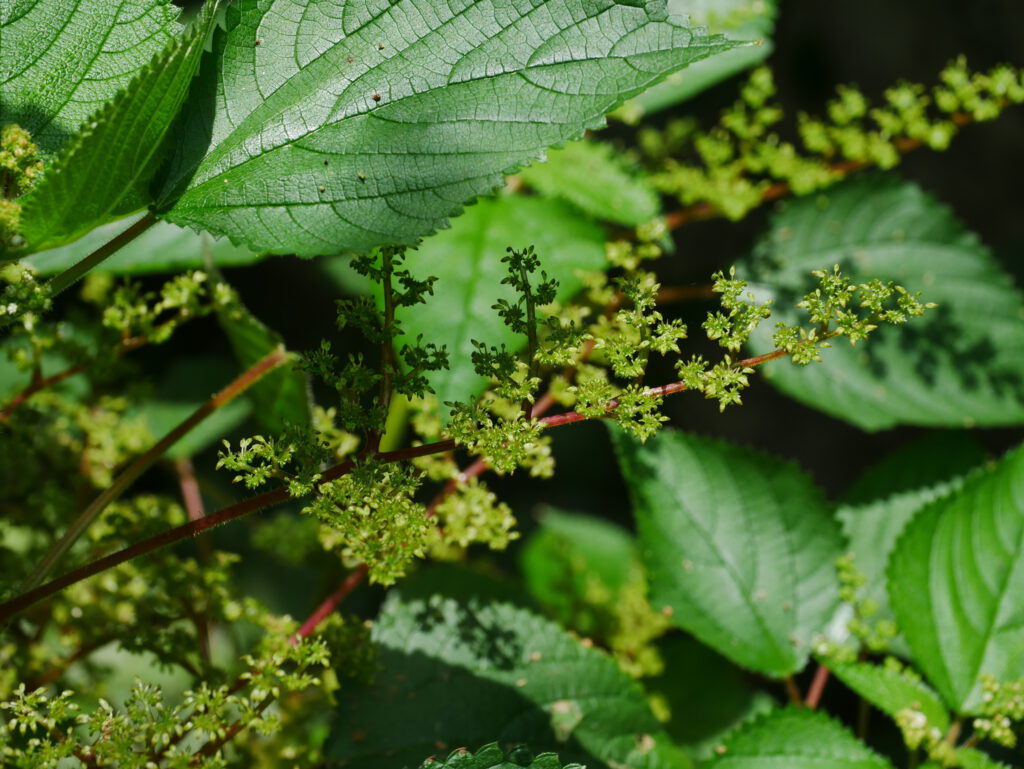
When skin comes into contact with a stinging nettle, tiny hairs on the plant pierce the surface and inject a mixture of chemicals. This cocktail includes histamine, acetylcholine, and serotonin. These substances trigger the immediate burning, itching, and redness associated with the sting.
The prevailing theory behind the dock leaf remedy is that the plant contains specific chemicals, such as natural antihistamines, that neutralize the nettle’s toxins. John Tregoning, a professor at Imperial College London and author of Live Forever? A Curious Scientist’s Guide to Wellness, Ageing and Death, suggests this is probably not the case. He states there is little evidence that dock leaf sap contains substances capable of significantly relieving the chemical reaction caused by the nettle.
Why the Remedy Feels Effective
If the dock leaf does not chemically counteract the sting, why do so many people swear by it? Tregoning attributes the perceived relief to physical distraction rather than pharmacology. Rubbing a leaf against the skin creates a competing sensation that temporarily distracts the nerves from the pain.
Human nerve cells have a limit to the number of sensations they can process simultaneously. By overstimulating the area with the physical act of rubbing, there is less neural feedback available to transmit the pain signal. Additionally, the short burst of pain is often relieved during the time spent hunting for the dock leaves. The application of sap may also provide a cooling or soothing sensation, but these effects are not unique to the dock plant.
Scientific Testing Shows No Difference
Research supports the view that the dock leaf is no more effective than other common items. A small study compared the effects of dock leaves against lettuce leaves as a treatment for nettle stings in nine medical students. The results found no meaningful difference between the two treatments.
Tregoning suspects that the widespread belief in the remedy is largely a placebo effect. The combination of physical distraction, the cooling sensation of the sap, and the psychological comfort of taking action likely creates the illusion of a cure. While rubbing the area may provide temporary comfort, other leaves or methods would likely produce the same result.
Source: The Guardian
