


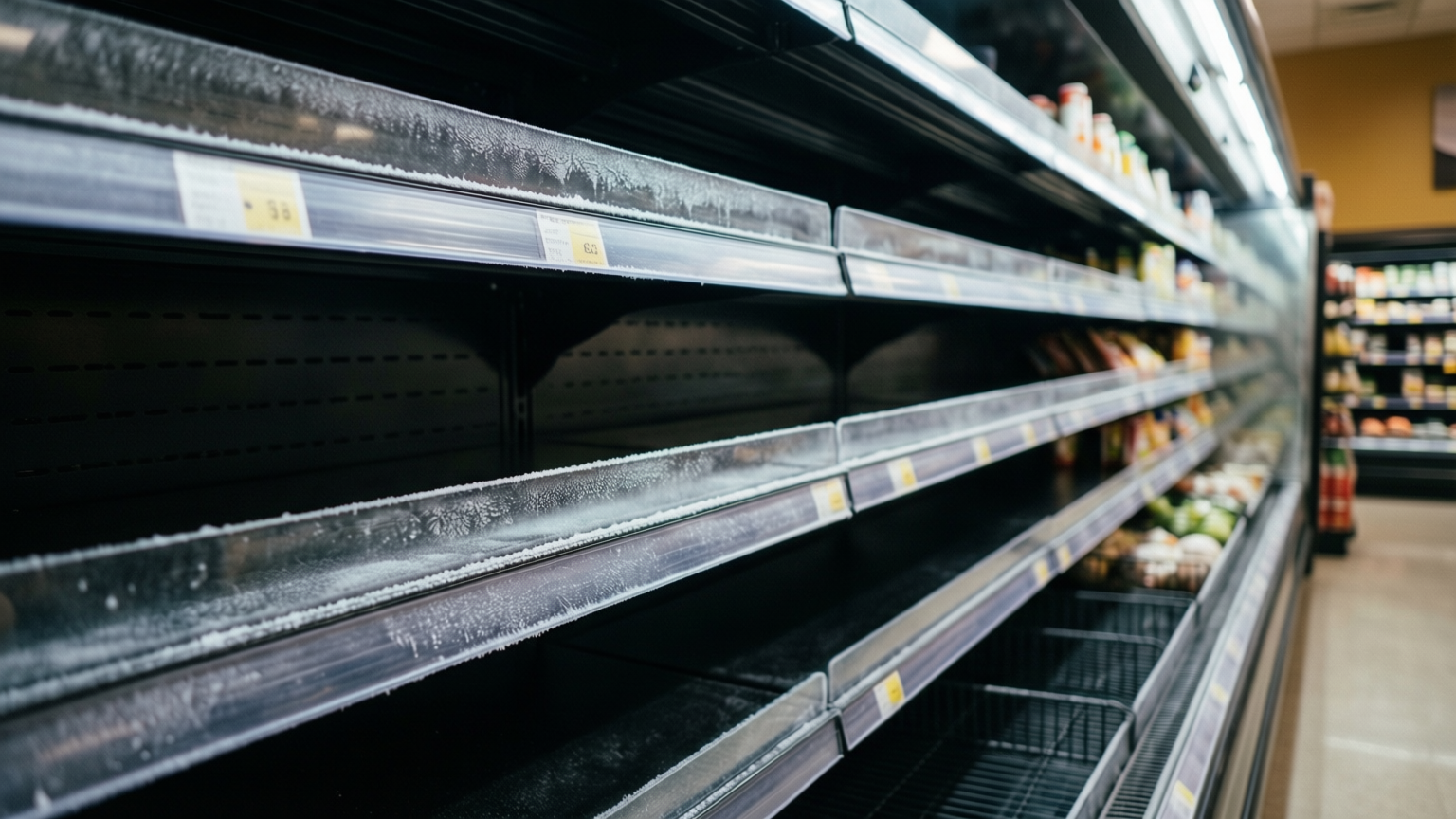
France has formally accused the Islamic Revolutionary Guard Corps (IRGC) of Iran of orchestrating a cyber-attack that raised the temperatures of supermarket fridges and freezers across the country last month. The incident resulted in the destruction of tons of frozen and chilled food, prompting the French government to summon the Iranian ambassador to lodge a strong protest.
Foreign Minister Jean-Noël Barrot described the incident as “unprecedented in both its scale and the level of aggression.” He stated that the attack constitutes a major assault on national interests and the security of the French people. Barrot confirmed that those responsible would face sanctions and that the government is prepared to take any other necessary and proportionate measures to deter future incidents.
Targeting Danfoss Software
The attack targeted the software provided by the Danish engineering firm Danfoss, which allows retailers to manage their cold storage units remotely. On 11 October, hackers gained control of this system, causing temperatures in some stores to rise to 50C (120F) overnight.
More than 100 Coopérative U supermarkets were affected, along with 180 stores from Intermarché and its Netto brand. Major retailers including Carrefour, Monoprix, and E.Leclerc were also hit by the breach. The Paris prosecutor has opened an investigation into the head of an offensive cyber unit associated with the IRGC, as well as his two deputies.
Laure Beccuau, the Paris prosecutor, identified the unit as Shahid Kaveh. This group is believed to be directly employed by the Iranian regime and is affiliated with the electronic and cyber centre of the IRGC. Shahid Kaveh is a known cluster of hackers linked to the Iranian government.
Wider European Impact
The sabotage in France was followed by a second wave of hacks earlier this month that impacted more than 100 stores across Europe. Supermarkets in Belgium and Luxembourg were significantly affected, while smaller numbers of shops in Sweden, Ireland, the Netherlands, Estonia, and Finland also experienced the breach.
It remains unclear whether these European instances are directly linked to the French attack. However, the pattern of targeting cold storage infrastructure has raised concerns about the vulnerability of critical retail technology. In August, a small number of US military bases also reported mysterious fridge malfunctions that spoiled food. Reuters has reported that this incident is being investigated as a deliberate cyber-attack, though it is not yet known if it is connected to the supermarket breaches.
Iran has not yet issued an official response to the accusations. Some Iranian media outlets have dismissed the allegations as baseless. The French government has not disclosed the specific intelligence or technical evidence that led to the conclusion that Iran was responsible. Attribution of cyber-attacks is notoriously difficult, as hackers can easily conceal their locations.
While two Russian-aligned hacktivist groups claimed responsibility for the attacks on Wednesday, few observers believed their claims. The incident has sparked speculation about the potential motives behind the sabotage. Some commentators in Iran have recently argued that the country should extend any retaliation beyond the Middle East if the US and Israel resume military operations in the region. If the IRGC carried out the supermarket attacks, it is not yet clear if they were part of a broader deterrence strategy.
Source: BBC
