


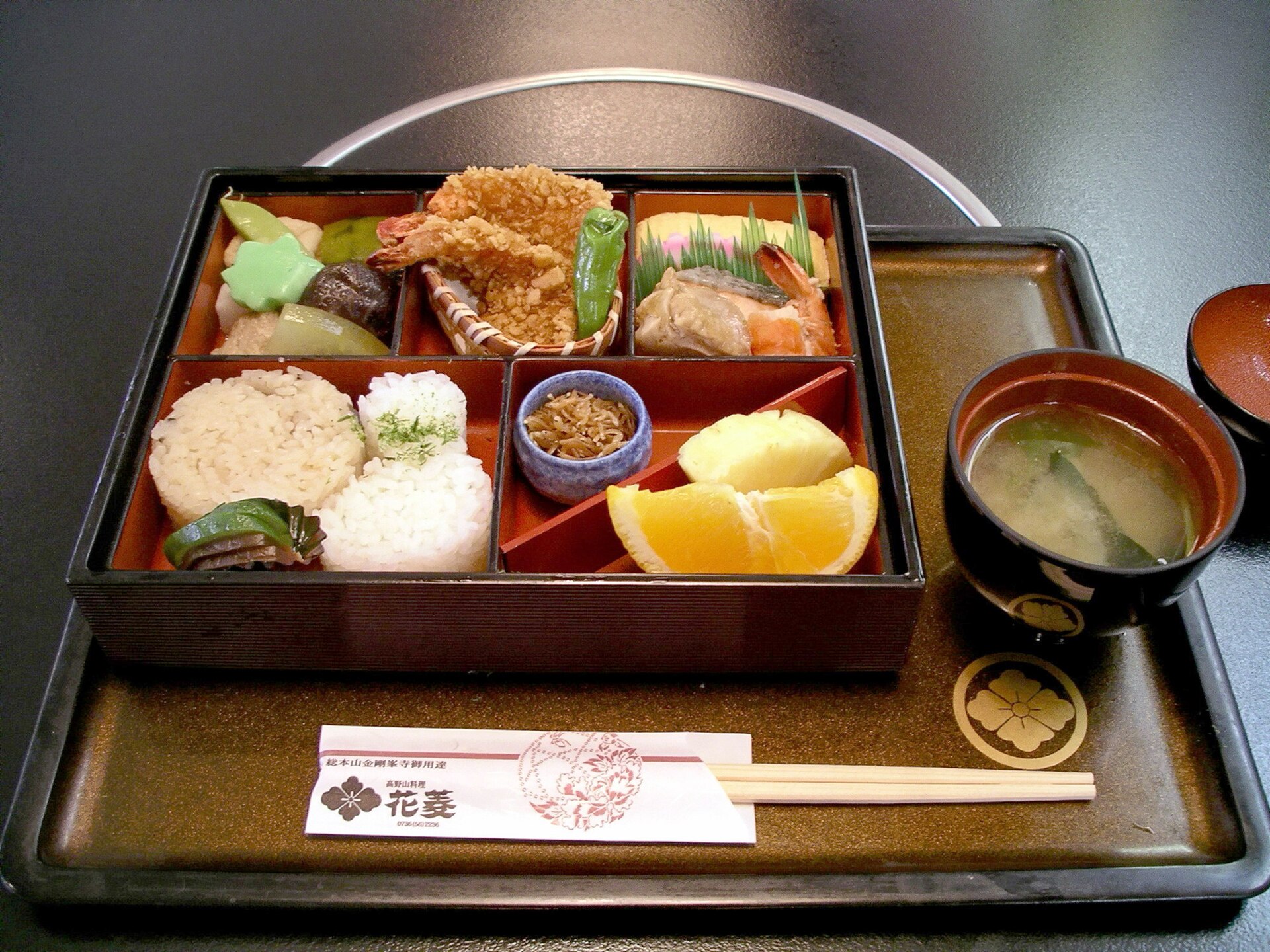
Packing a nutritious and appealing midday meal for children often feels like a daily challenge for parents. A bento box filled with familiar shapes, vibrant colors, and varied textures consistently outperforms a standard cheese and ham sandwich. This approach keeps food neatly separated and fresh for hours, eliminating the need for multiple small containers while maintaining visual appeal.
The Bento Box Formula
Claudine Boulstridge, author of the Family and the Healthy Family Food Substack, has packed lunches for her three children for 15 years. She relies on a simple formula to avoid reinventing the wheel every morning. Her strategy involves combining specific categories of food to ensure a balanced meal. This includes fruit such as halved kiwi, orange slices, or pomegranate seeds. Vegetables like cucumber, carrot, cooked sweet potato, and radish provide crunch. Protein sources include soft-boiled eggs, cheese, cooked chicken, hummus, or fish cakes. She also adds homemade snacks like roast coconut flakes with cinnamon or toasted seeds.
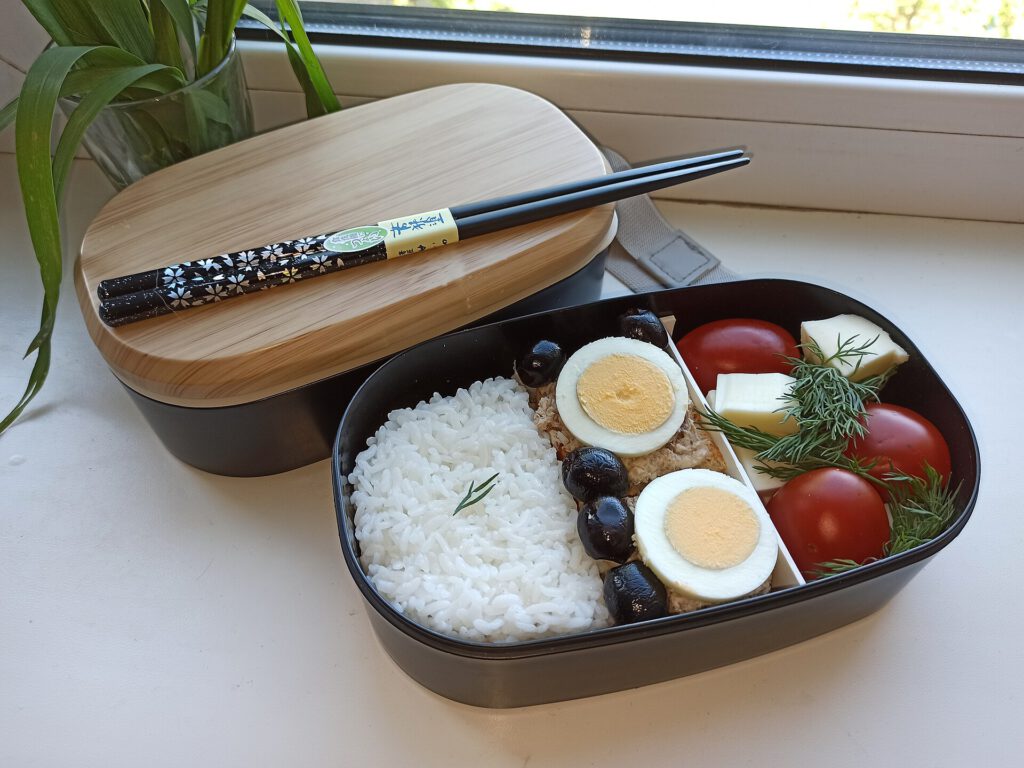
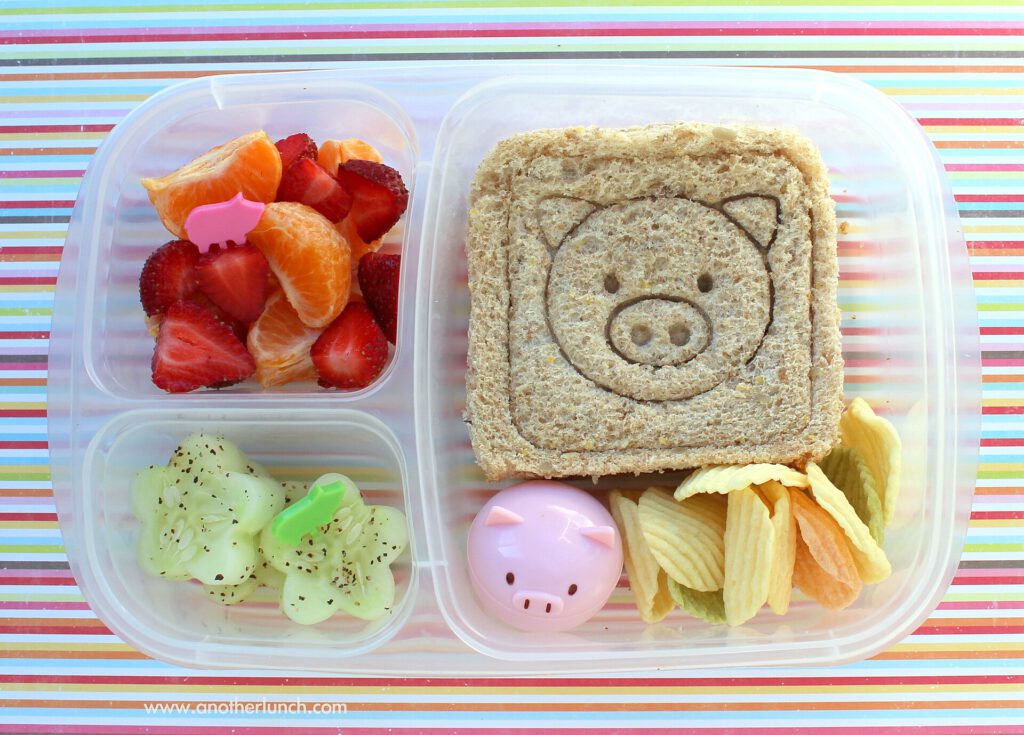
Accessories play a key role in making the meal fun. Shaped cookies, colorful food picks, and silicone molds can transform ordinary ingredients. Simply cutting vegetables into batons or other shapes can make familiar food feel fresh and exciting. This method allows parents to quickly fill compartments with wholesome ingredients even when time is short.
Using Leftovers for Substantial Meals
While bento boxes are excellent for simple items, parents can also create more substantial meals using leftovers. Boulstridge suggests roast carrot dip, sweet potato parcels, or layered multi-colored salad jars. These items hold up well at room temperature. Cheese and tomato muffins, crustless quiches, and sausage rolls are other options that work for both school lunches and adult meals.
Paul Ainsworth, founder of The Ainsworth Collection and the new St Enodoc in Cornwall, advises looking ahead when preparing dinner. He recommends using leftovers to mix up sandwich fillings. Roast chicken, pasta, frittata, or sausages are all great additions to the next day’s lunch. This approach reduces waste and saves time in the morning.
Simple Flavor Changes
Aji Akokomi of Akoko and Akara in London suggests that parents do not need to get fancy to keep meals interesting. The easiest way to engage children is to start with foods they already enjoy and change one small element. Spices are an effective tool for this. A little curry powder, dried thyme, or white or black pepper can make simple chicken or chickpeas taste completely different while keeping the dish familiar.
Akokomi might toss cooked chicken in jollof spice and place it in a soft wrap with lettuce and plain yogurt. Serving this with roast chickpeas, buttery sweetcorn, and slices of apple or pear creates a simple, colorful meal with a range of flavors and textures. This method ensures the lunch remains approachable for children.
For afternoon energy boosts, Boulstridge batch-bakes grab-and-go banana bread cupcakes or apple muffins with whipped cinnamon icing at the weekend. Involving children in the preparation process can also increase their willingness to eat the food. Ainsworth notes that if kids have a hand in making the meal, they are much more likely to finish it.
Source: The Guardian
