


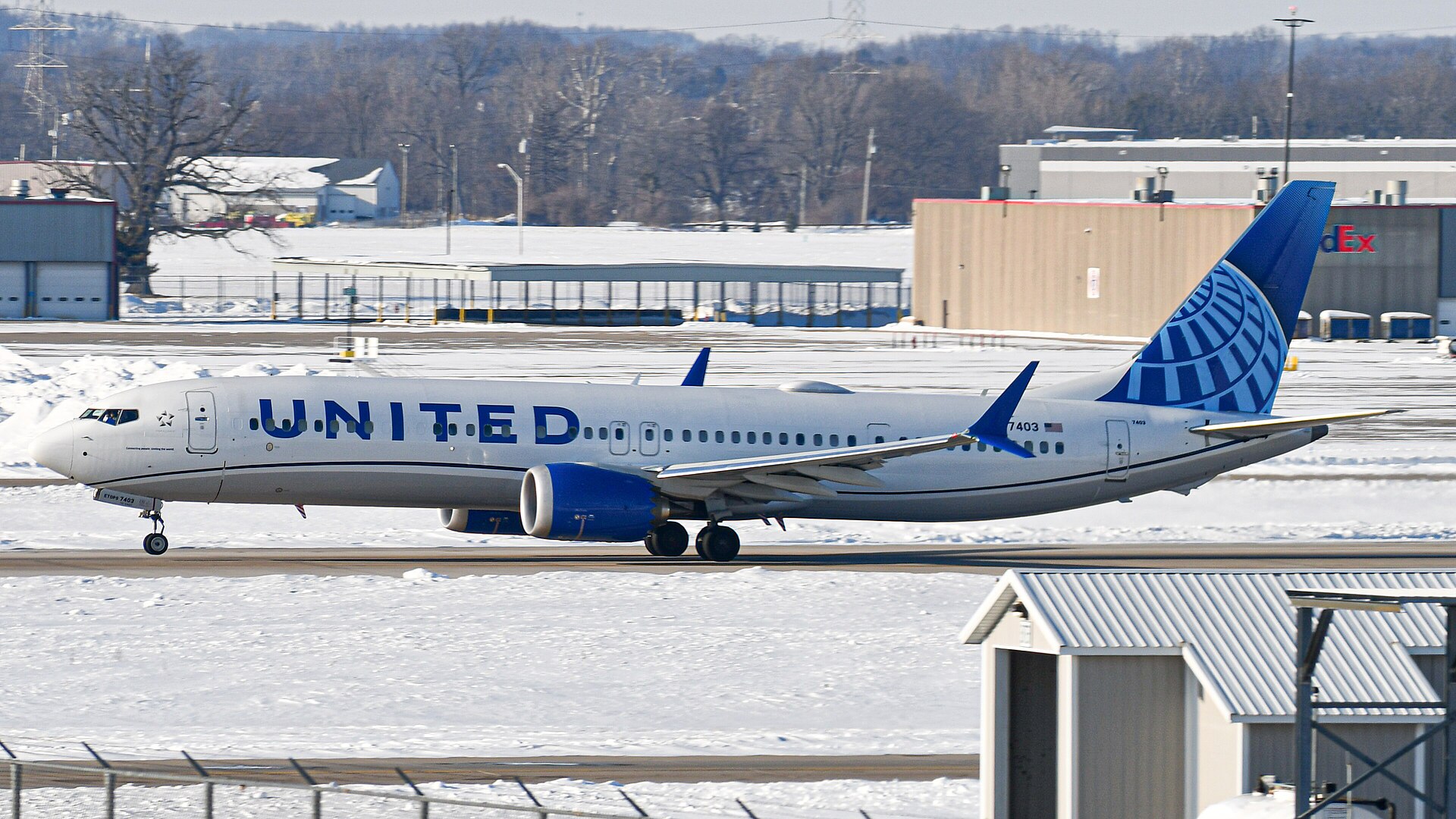
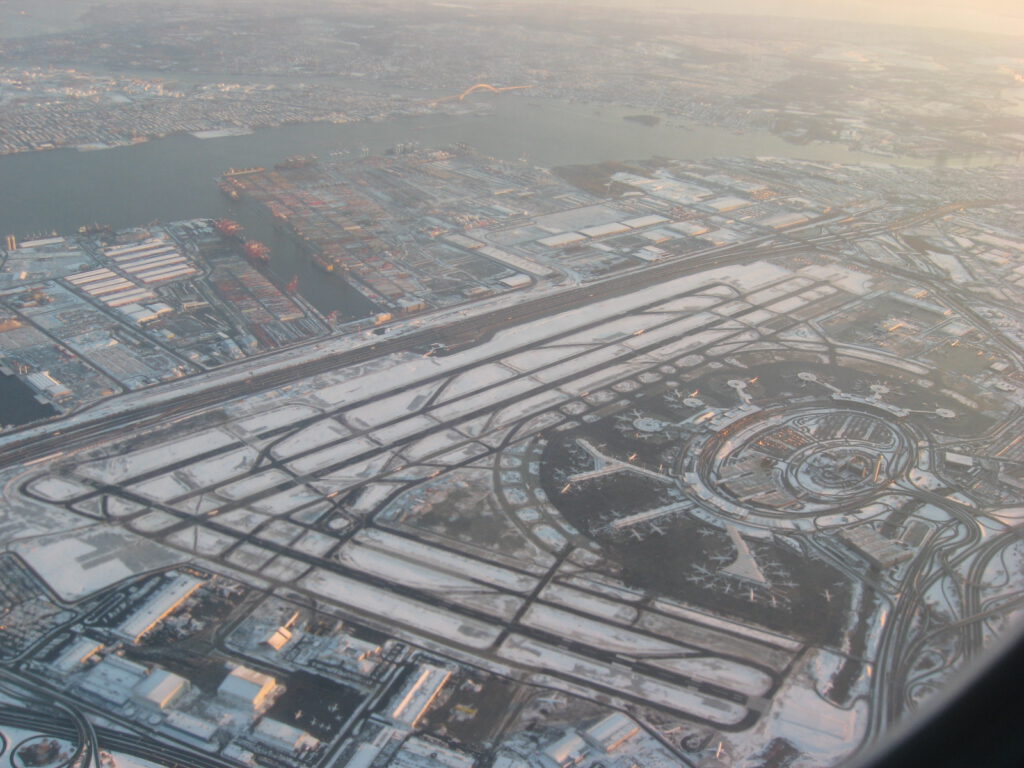
A United Airlines flight traveling from Newark Liberty International Airport to Louis Armstrong New Orleans International Airport landed safely on Monday evening after a passenger attempted to breach the cockpit. The incident prompted the flight crew to transmit a specific transponder code indicating unlawful interference, a protocol that signals a hijacking or serious security threat to air traffic control.
Flight UA2174 Incident Details
United Airlines flight UA2174, a Boeing 737 MAX 9, departed Newark at 9:26 PM local time. Flight tracking data indicates the aircraft touched down in New Orleans at 11:07 PM. During the descent, a male passenger reportedly attempted to enter the cockpit area. According to reports flagged by flight tracking service FlightDeck on X, the individual also claimed to be carrying a backpack containing a bomb.
The pilots responded by setting their transponder to squawk 7500. This four-digit code is used internationally to alert air traffic controllers to an aircraft being hijacked or subjected to unlawful interference. The code was activated as the jet descended through 20,000 feet. The crew also utilized the Aircraft Communications Addressing and Reporting System (ACARS) to notify other United Airlines aircraft of the situation. An ACARS message sent to other jets stated, “We had an attempted level four, no other details are known at this time.” Level 4 is the most severe threat level, indicating an attempted or actual breach of the cockpit.
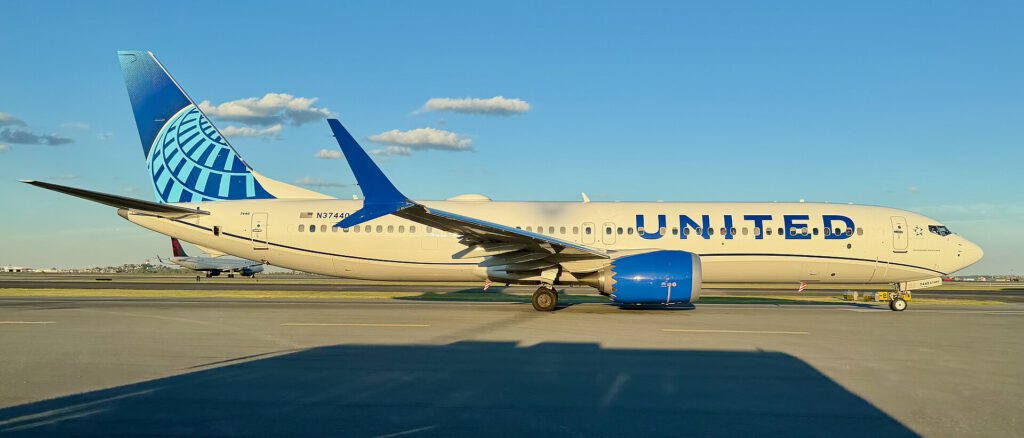
United Airlines confirmed the details of the event in a statement to Simple Flying. A spokesperson noted that there were 46 passengers and six crew members on board. The airline stated that the flight landed safely following a disruptive incident involving a passenger. Law enforcement officers met the aircraft upon its arrival at the gate in New Orleans.
Recent Security Incidents for United Airlines
This event follows a similar security scare involving a United Airlines aircraft just weeks prior. In October, a Boeing 737 MAX 8 flying from Las Vegas to Newark was diverted back to Harry Reid International Airport. Cabin crew members noticed a passenger sending text messages that suggested an intent to hijack the plane. The aircraft returned to Las Vegas, where the 25-year-old male passenger was arrested. Reports indicated the individual was under the influence of alcohol at the time and was charged with making false threats regarding terrorism.
These incidents highlight the rigorous protocols airlines and air traffic control maintain for security threats. Squawk 7500 is distinct from squawk 7700, which indicates a general emergency such as mechanical failure or medical issues. The 7500 code allows controllers to coordinate a response without alerting potential hijackers, as the transponder signal is not typically visible to passengers.
By the time UA2174 reached its gate, the passenger involved in the Newark to New Orleans flight was reportedly seated at the back of the aircraft with cabin crew monitoring the situation. The specific charges or legal outcomes for the individual have not yet been released. The safe landing and immediate law enforcement response underscore the standard operating procedures for handling high-severity threats on commercial flights.
Source: Simple Flying
