


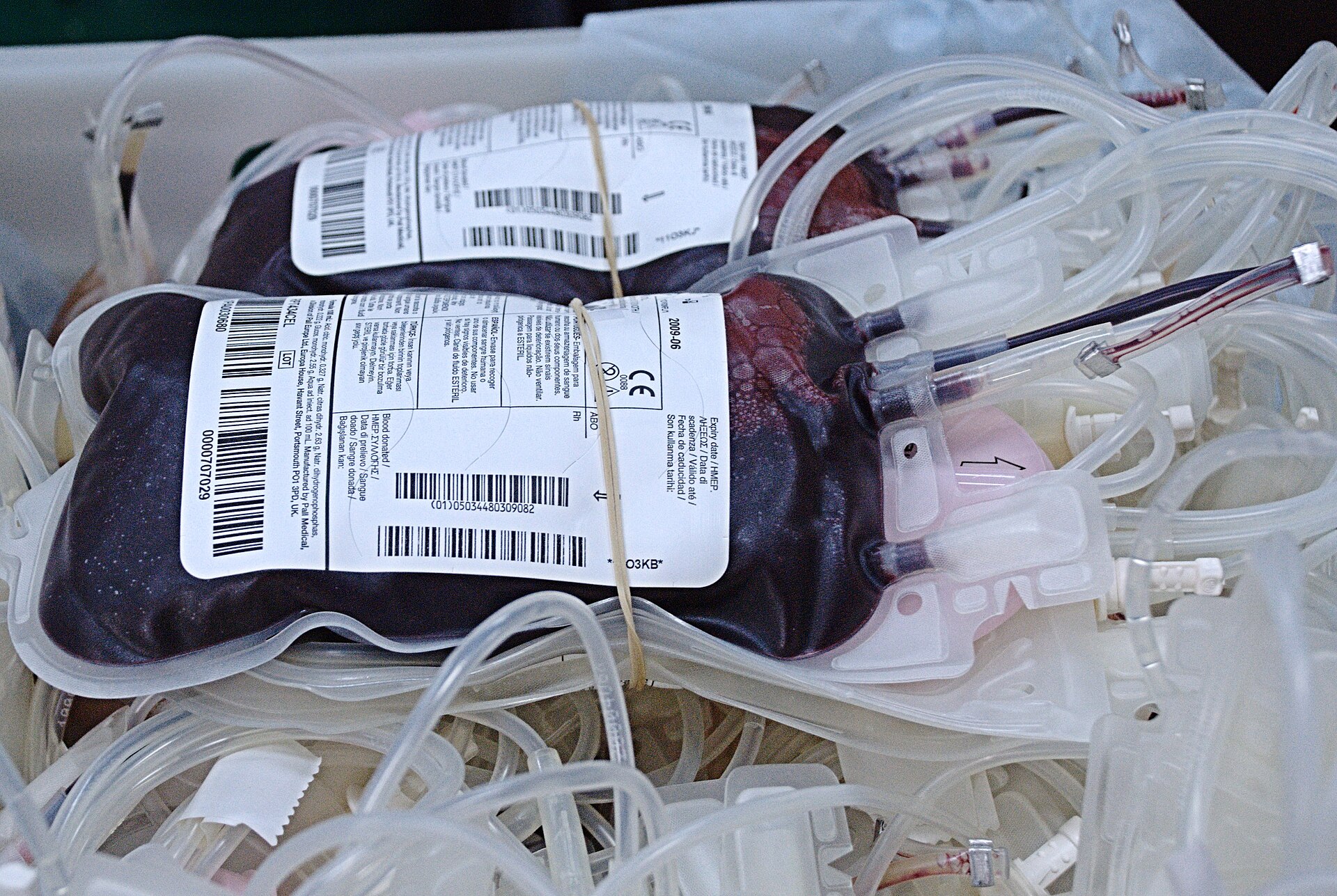
Hospitals across Scotland have been issued an amber alert for the first time as stocks of blood fall to unprecedented low levels. The warning, sent by the Scottish National Blood Transfusion Service (SNBTS), urges medical staff to restrict the use of Type O blood to essential cases only.
Stocks have consistently remained below target levels for several weeks. Group O blood reserves have recently fallen below two days of supply on multiple occasions. The SNBTS aims to maintain a reserve of five to seven days for all blood groups to ensure adequate coverage for patient needs.
Decline in donor numbers
The alert follows a significant decline in the number of people joining the blood donation register. According to the SNBTS, there has been a 24% drop in blood donors over the past decade, equating to approximately 30,000 fewer people. The service noted it is particularly struggling to attract younger donors to the register.
Hospitals in Scotland require about 135,000 units of blood annually to treat patients. To meet this demand, appointments at the five national donor centres in Aberdeen, Dundee, Edinburgh, Glasgow, and Inverness need to be fully booked throughout the year. Currently, an average of only 85% of these appointment slots are filled.
Debbie McNaughton, director of donor and transport services at the SNBTS, stated that about 2% of Scotland’s population is signed up to give blood, with the majority donating once a year. She told Radio Scotland Breakfast that increasing donation frequency would help stabilize the supply.
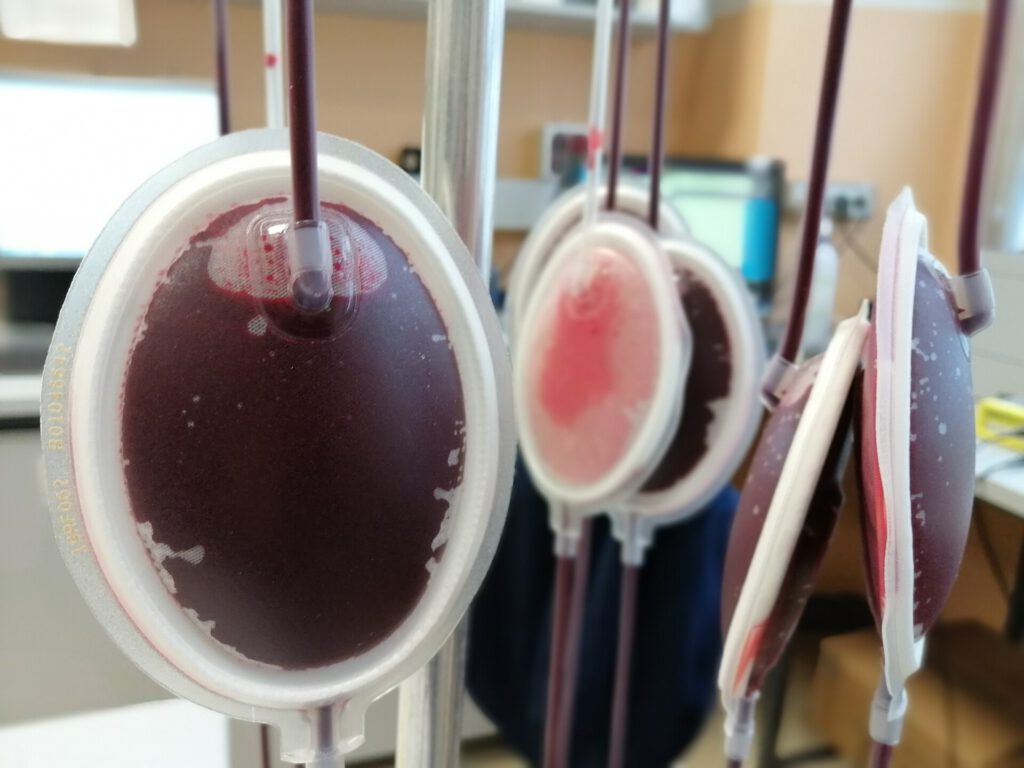
“If they could be donating maybe twice or three times a year, that would hugely help to provide resilience for the blood supply,” McNaughton said. She urged anyone who is healthy and 17 or over to sign up to the donor register.
Impact on hospital operations
Type O blood is critical for transfusions because O-negative acts as a universal donor and O-positive is the most common blood type in the UK, held by about 35% of the population. The amber alert triggers new protocols in hospitals to minimize non-essential usage of this specific blood type.
Emergency operations, blood transfusions, transplants, and cancer surgeries will continue as normal despite the shortage. The alert has been issued for an initial period of four to six weeks and will be kept under close review by the SNBTS.
Source: BBC
