


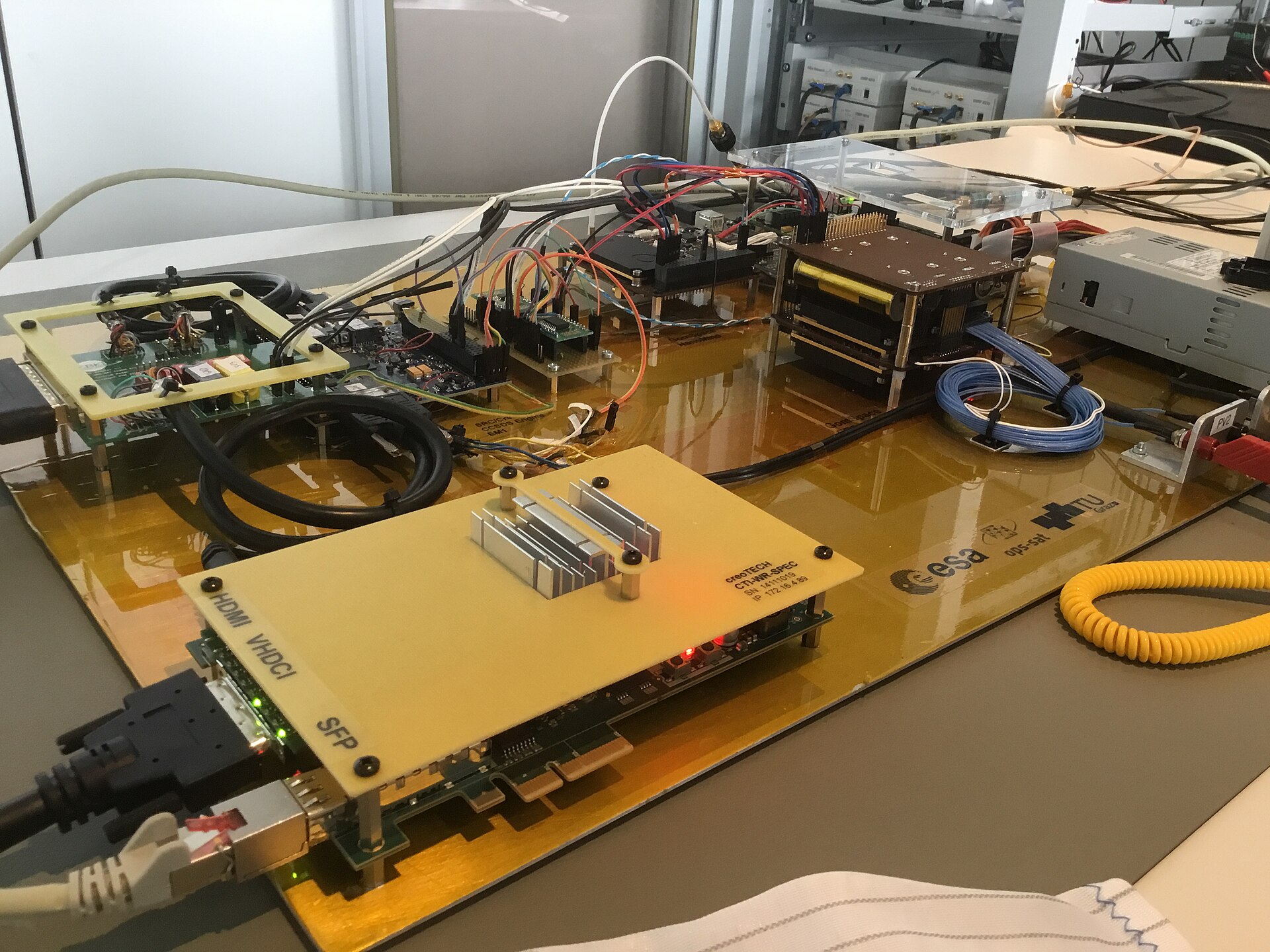
Amateur radio operators in Oslo have successfully commanded a European Space Agency satellite to play the 1993 video game Doom. The experiment, conducted by the Norwegian Radio Relay League in collaboration with Tanagra Space, demonstrated that a satellite in low Earth orbit can recognize and execute specific voice commands sent from Earth. The achievement required seven attempts over several days, with the final command succeeding on the last two transmission runs in late July.
Oslo Operators Reach Orbit with 80 Watts
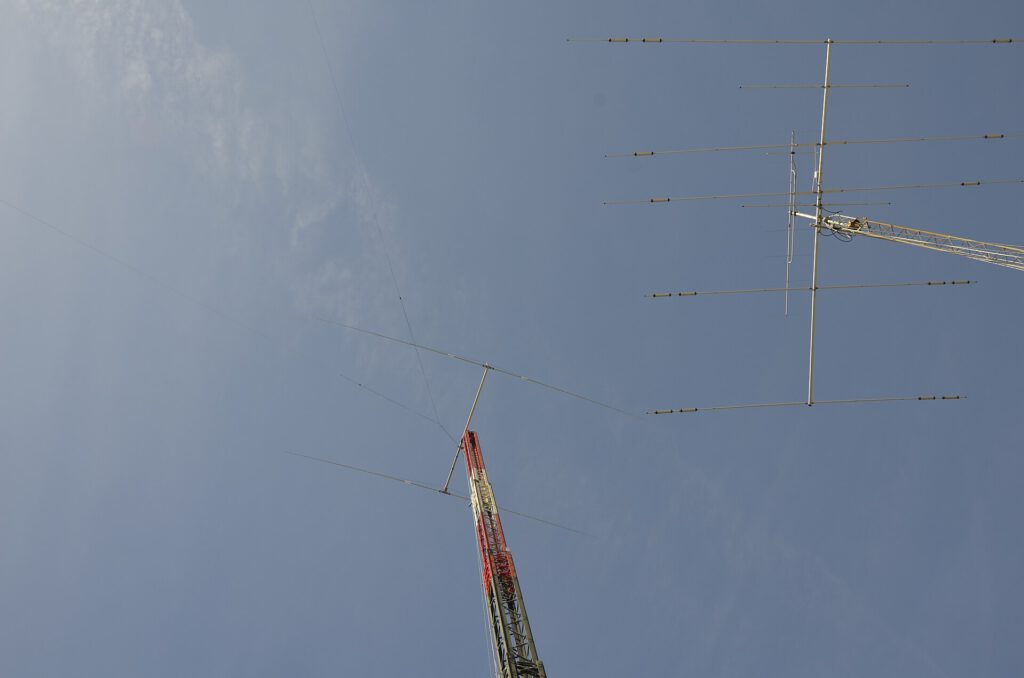
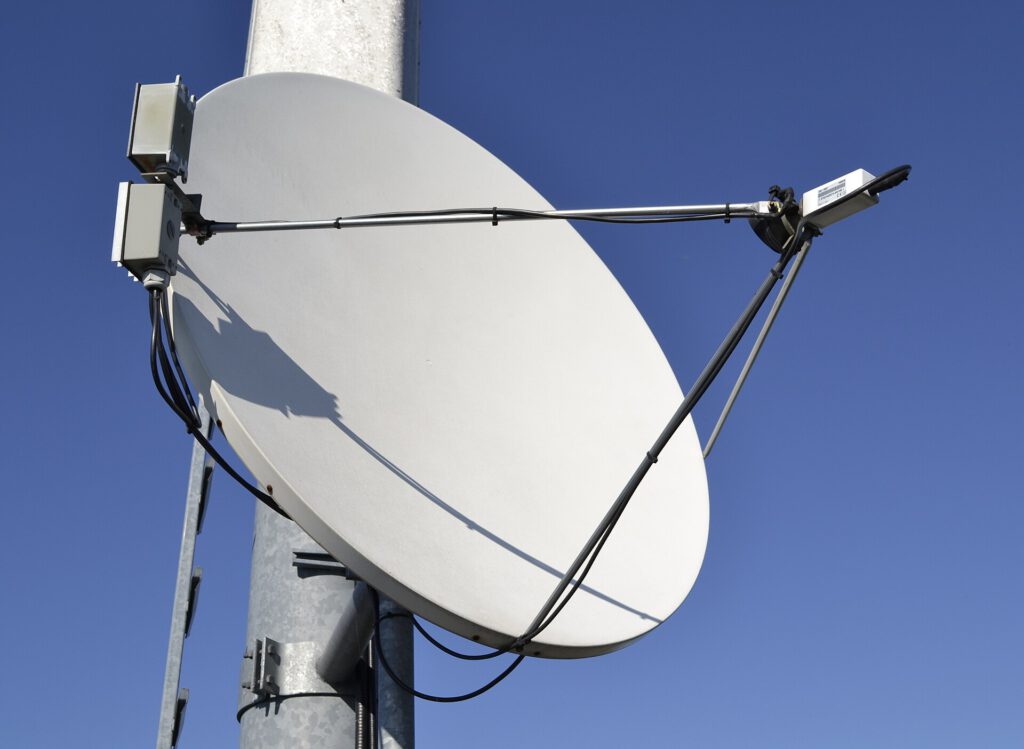
The transmission originated from an Oslo rooftop, where operators used an Icom IC-9700 radio and a Wimo helix antenna. The setup operated at approximately 80 watts on the 23 cm band, specifically the 1296 MHz narrowband FM frequency. The antenna was aimed by hand to track the satellite as it passed overhead. The team, identified by the call sign LA4O, worked with a partner group in Poland to maximize their chances of a successful link.
The satellite, named OPS-SAT PRETTY, is part of the ESA’s OPS-SAT Space Lab program, which allows external researchers to conduct experiments on board. While the game Doom was previously run on a different satellite, OPS-SAT-1, in 2023, this mission introduced a new variable: voice activation. The experiment was dubbed PRETTY DOOMed. The operators transmitted the command “PRETTY PLAY DOOM” repeatedly. The satellite’s onboard systems processed the audio and returned a digital postcard confirming the launch.
Onboard AI Processes Voice in Orbit
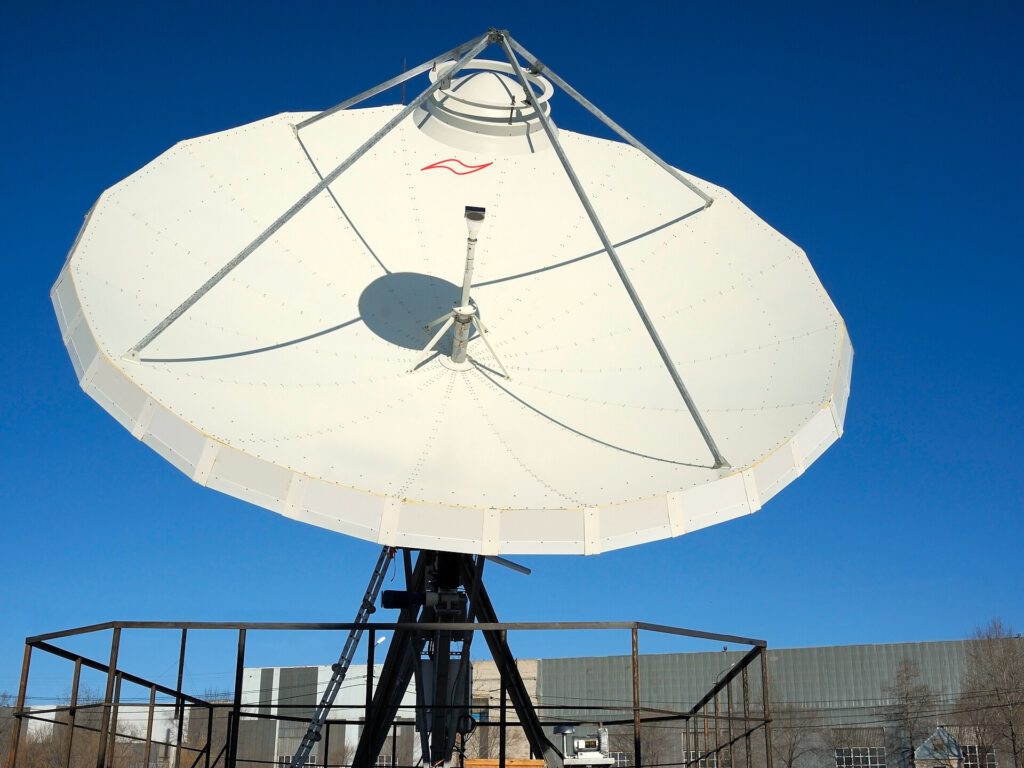
The core of the experiment relied on a 27 MB quantized English speech recognition model running on the satellite’s limited computer hardware. This small model was selected specifically because it could fit within the satellite’s storage constraints. The audio signal was handled by software-defined radio (SDR) technology, which allowed the satellite to demodulate the incoming signal and pass it to the speech model.
Using software for signal processing offered a significant advantage over fixed hardware circuits. The team could upload updates to improve how the satellite interpreted the audio. Project lead Georges Labrèche noted that the voice used in the test was a signal, but the same setup could be updated to handle other types of commands or signals in the future. The live operator’s command included the call sign for legal identification, followed by the game instruction.
The onboard transcript captured the command as “AND FAR BRIEFLY PLAYING DOOM STEAM DOOM PRECIPATED.” Despite the noise and static, the system detected the word “DOOM” twice. The morning passes, which used a synthesized voice loop, only achieved fuzzy matches like “PLAY DOON.” The evening pass, featuring a live human operator, provided the clearer signal needed for success. The team had to refine the signal processing offline to filter out static, effectively tuning the satellite’s receiver like a car radio to a specific station.
The entire effort took 59 days and cost approximately 7,200 NOK, or about $770, including pizza for the operators. Tanagra Space reproduced the signal fixes and removed redundant audio filters to improve reliability. The team plans to repeat the experiment to test larger speech models and potentially detect emergency “mayday” calls or radio bursts from space. The project proves that satellites can listen to and interpret specific radio signals, opening new possibilities for remote control and emergency detection in orbit.
Source: Tom’s Hardware
