


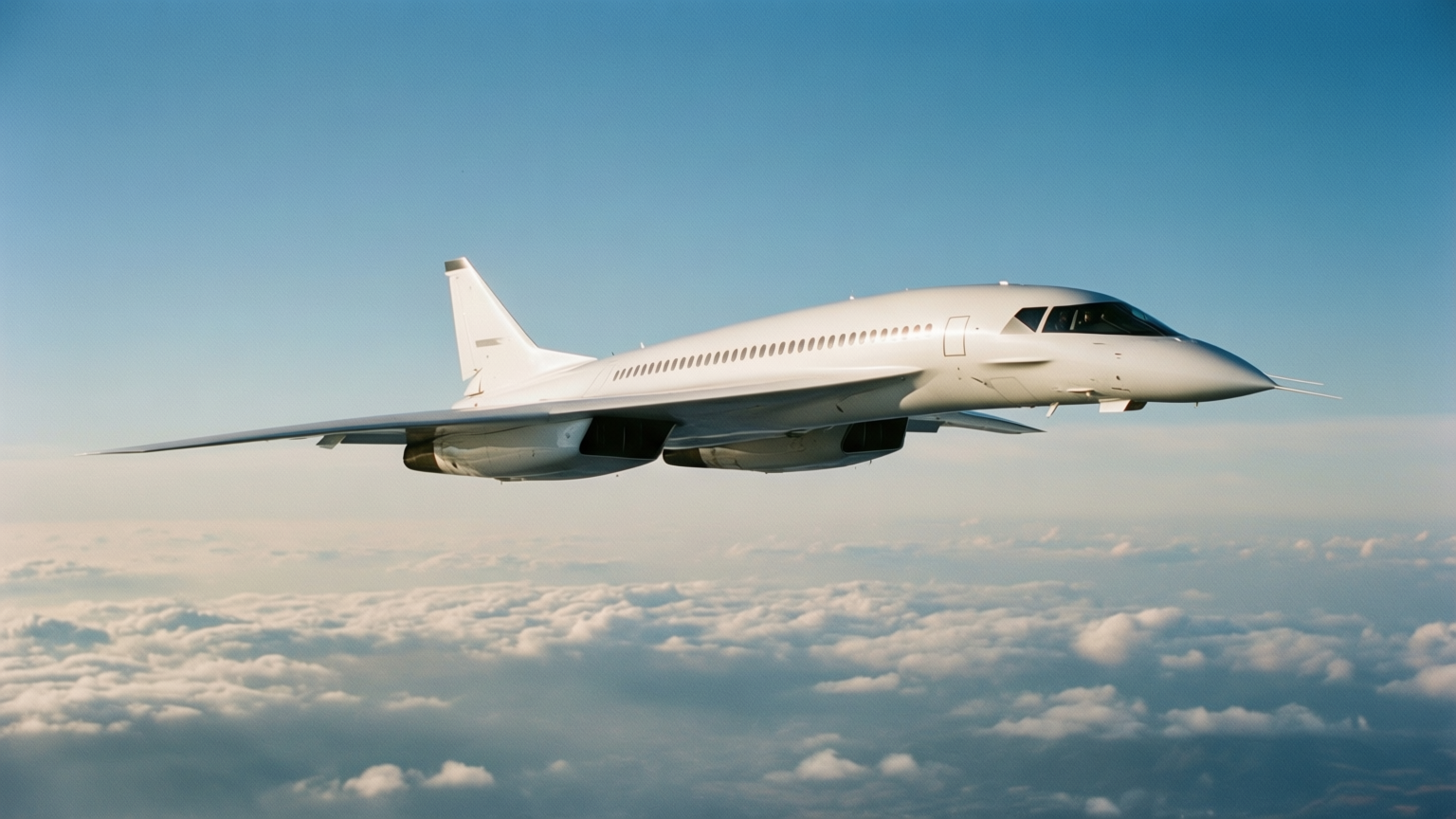
NASA has officially introduced the X-70 Fractal, a new experimental aircraft designed to push the boundaries of subsonic flight. The agency released computer-generated images and technical specifications for the vehicle, which is intended to serve as a flexible research platform for advanced aeronautical tests. While many operational details remain classified, the initial data reveals a craft built for high-altitude performance and rapid reconfiguration.
X-70 Fractal Performance Specifications
The X-70 Fractal is not a spacecraft. It is designed to operate entirely within Earth’s atmosphere, distinguishing it from the orbital vehicles NASA is often associated with. The aircraft is crewed and subsonic, with a maximum speed of Mach 0.75, or approximately 575 miles per hour. Its primary advantage lies in its altitude capabilities, allowing it to fly well above commercial airliners at heights exceeding 45,000 feet. This places the aircraft firmly in the stratosphere, a region that offers unique conditions for scientific observation and aerodynamic testing.
Range is another key metric for the new platform. NASA states the X-70 Fractal can travel nearly 1,700 miles on a single flight. This endurance allows for extended testing windows without the need for mid-air refueling, which is critical for conducting complex maneuvers or long-duration data collection runs. The agency has not yet specified the exact nature of the maneuvers it plans to test, but the aircraft is engineered to demonstrate capabilities never before seen in crewed subsonic flight.
Modular Design and Strategic Goals
A defining feature of the X-70 Fractal is its modular architecture. The aircraft is built to allow for the quick installation and replacement of experimental equipment both inside the cabin and on the exterior fuselage. This design philosophy transforms the plane into a true experimental platform rather than a fixed-test vehicle. Engineers can swap out payloads to test different technologies without needing to build a new airframe for each project. The flight control systems are also reconfigurable, enabling researchers to study various steering and stability methods across different missions.

The aircraft can carry up to one ton of experimental gear, providing substantial capacity for sensors, propulsion prototypes, or aerodynamic models. NASA Administrator Jared Isaacman described the project as part of a new era for federal aeronautical research, hinting that additional announcements regarding the agency’s flight programs are forthcoming. The X-70 Fractal is expected to make its first flight under the NASA banner within the next two years.
The development of the X-70 Fractal aligns with broader strategic objectives outlined in NASA’s 2027 budget documents. The agency identifies aeronautical research as a critical tool for maintaining US technological leadership amid growing international competition. While NASA plans to collaborate with the Department of Defense to advance new flight capabilities, no specific military applications for the X-70 Fractal have been announced. The project continues a long tradition of NASA aeronautics, which traces its roots to the National Advisory Committee for Aeronautics founded in 1915. Recent efforts like the X-59 supersonic noise reduction project demonstrate how these experimental vehicles often contribute to future commercial and military aviation standards.
Source: Wired
