


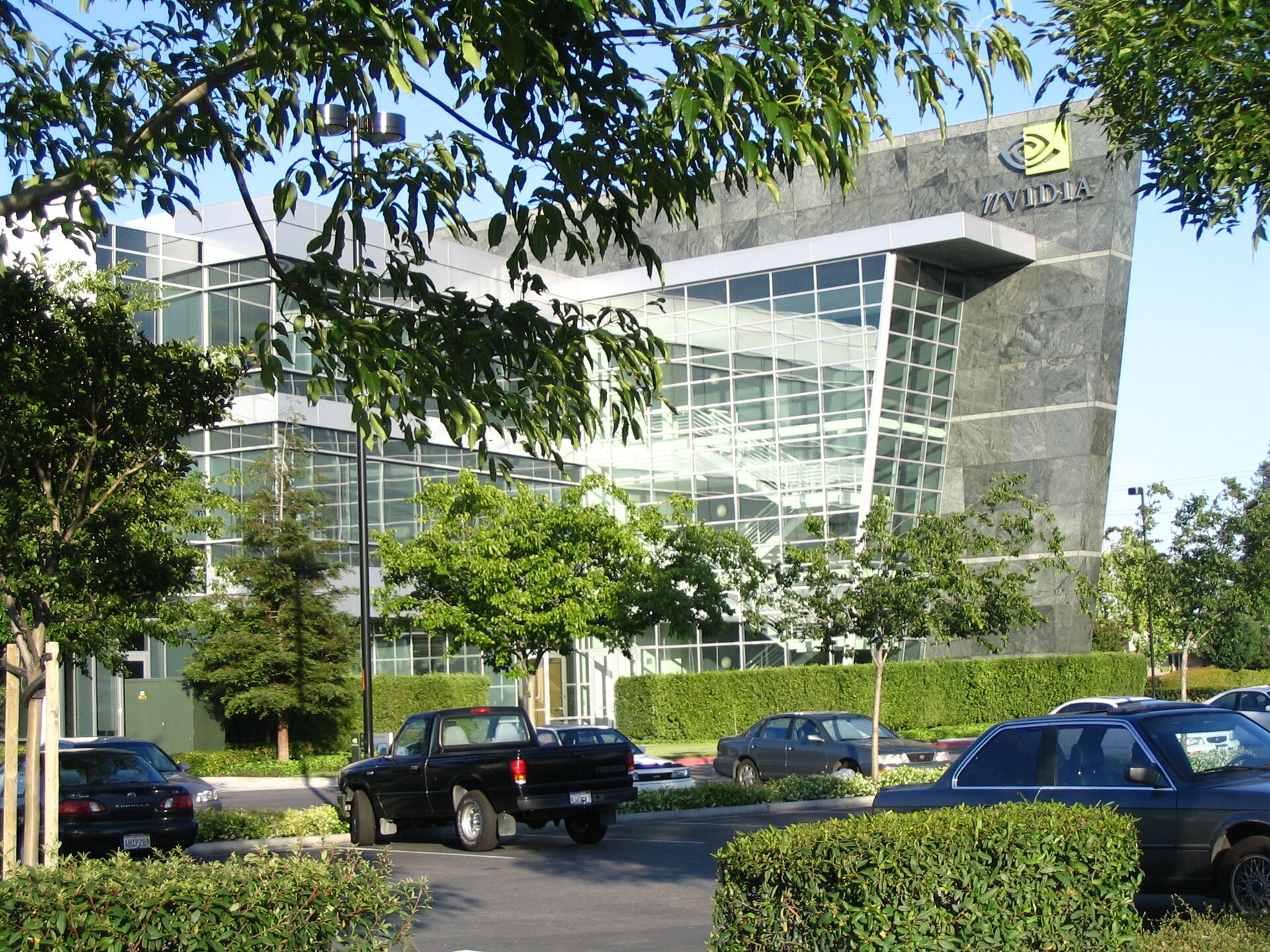
It is difficult to imagine Nvidia dismissing its chief executive officer, yet the company now stands at a critical juncture. Betting markets at Kalshi currently price Jensen Huang’s survival for the week at just 30 percent. The former certainty surrounding the leader of one of the world’s most valuable technology firms has evaporated following revelations of an extramarital affair.
Confusion remains regarding the identity of the other party involved. U.S. intelligence suspects Alice Huang, a Chinese executive, of espionage. Meanwhile, five sources told The New York Times that Kimberly Powell, an Nvidia executive who reports directly to Jensen Huang, was also involved. The board members who have grown wealthy under Huang’s tenure are unlikely to sever ties completely. They may retain him as chairman, a position the company does not currently hold, but a new chief executive is still required to run daily operations.
External Candidates and Industry Rivals
Lisa Su, the chief executive of Advanced Micro Devices, has emerged as a name floated by The Information. Su leads Nvidia’s most credible competitor and is a distant cousin of Jensen Huang. However, leaving her current role seems counterintuitive. AMD benefits from every day Nvidia remains distracted by investigations, congressional briefings, and internal turmoil. Her strategic position might be best served by maintaining her current office and observing the fallout.
Eric Schmidt, former Google chief executive and current chair of Relativity Space, was highlighted by Jeffrey Sonnenfeld of the Yale School of Management. Sonnenfeld suggested Schmidt could step in immediately and perform well. Schmidt’s background spans software, government service on the National Security Commission on AI, and aerospace. Yet, his own history of extramarital relationships could complicate his acceptance by the Nvidia board.
Lip-Bu Tan, the chief executive of Intel, offers deep semiconductor expertise. Intel recently reported a 21 percent rise in third-quarter revenue to $16.5 billion but warned that fourth-quarter results would miss Wall Street expectations. The AI boom has triggered a memory chip shortage, raising PC prices and suppressing sales. Intel’s stock fell 20 percent after hours following the warning, adding to a 30 percent decline since September. A move to Nvidia could provide a significant turnaround opportunity for Tan.
Internal Leaders and Wild Cards
Bret Taylor, former Salesforce co-chief executive and current head of the AI startup Sierra, brings extensive Silicon Valley experience. He co-created Google Maps, served as Facebook’s chief technology officer, and chaired Twitter during its acquisition by Elon Musk. Taylor also led OpenAI’s board during the recent leadership upheaval known as the Blip. His reputation for stability makes him a strong candidate for a company needing an unflappable leader.
Inside Nvidia, Ian Buck, the vice president who helped develop CUDA, the software platform central to the company’s AI dominance, is viewed by some analysts as a viable builder. Kalshi traders give him a moderate chance of success. Buck holds a Stanford PhD and could be a natural choice if Jensen Huang remains as chairman to guide the transition.
Andrew Bell, Nvidia’s senior vice president of hardware engineering, has been with the company for 25 years. He arrived as a Cornell graduate and has risen through the ranks. While CFO Colette Kress is frequently mentioned, analysts doubt her fit as an innovator. Bell’s technical pedigree and long tenure make him a strong internal contender.
Lori Huang, Jensen Huang’s wife, remains an unmentioned but plausible option. The couple met as lab partners at Oregon State University. Lori Huang worked as a microchip engineer at Silicon Graphics before scaling back to raise their family. She now co-leads the family trusts. Her deep personal and professional history with Jensen Huang could offer continuity if the board seeks a humble yet highly capable leader.
Source: TechCrunch
