


Estonia announced it will close all border crossings with Russia starting December 1, a move driven by a suspected sabotage attempt against a local drone manufacturer over the weekend. The decision comes after authorities linked the incident to Russia’s military intelligence service, the GRU.
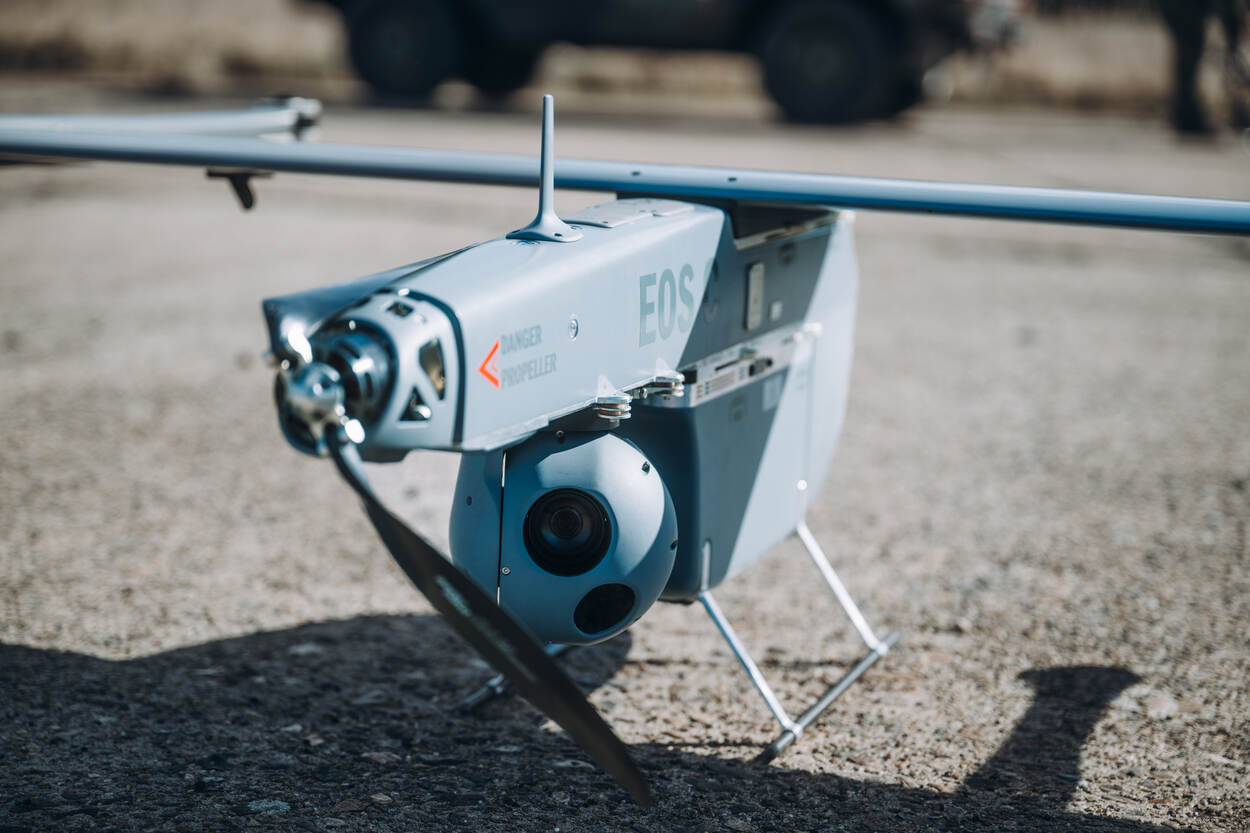
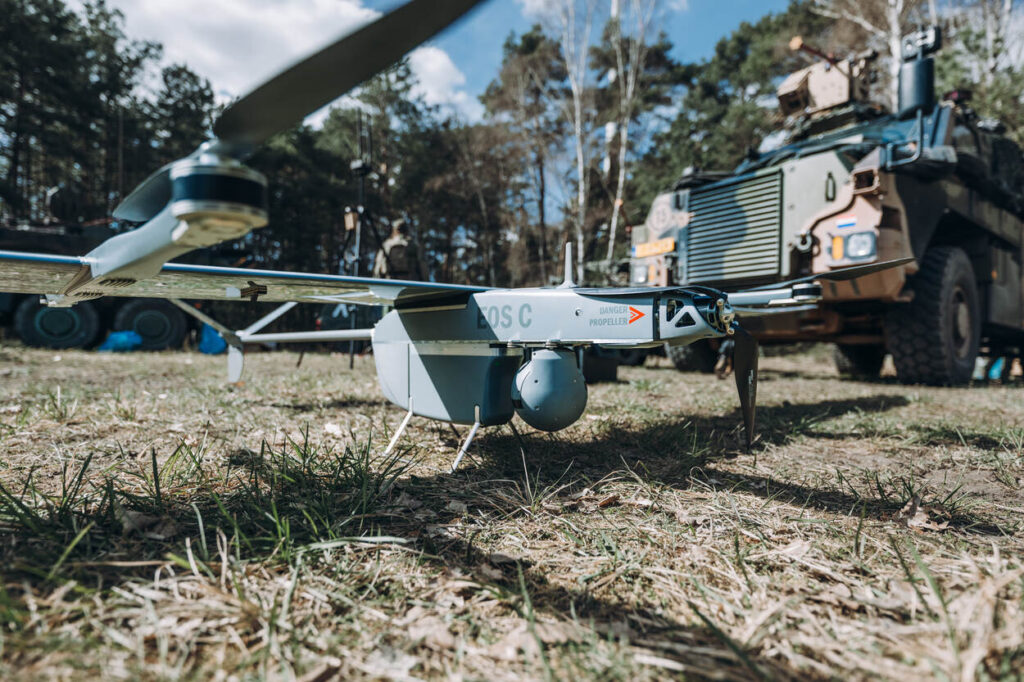
On Saturday morning, security personnel at Threod Systems, a defence company that produces long-range attack and reconnaissance drones, intercepted eight individuals attempting to breach the facility. No injuries or structural damage were reported. The company’s security team responded to the incident before law enforcement arrived.
Estonia’s internal security service, Kapo, stated that the suspects acted with the intent to cause an explosion and set the building on fire. According to Estonia’s public broadcaster ERR, authorities have requested court orders to keep five of the detained individuals in custody pending further investigation.
Political Response and Ukraine Support
Prime Minister Kristen Michal described the border closure as a necessary step to mitigate the risk of additional attacks. He emphasized that the measure sends a clear message that hostility toward Estonia’s defence industry is unacceptable.
Michal directly connected the incident to Tallinn’s ongoing military support for Ukraine. He stated that Russia aims to instill fear and hesitation in Estonia to weaken its backing of Kyiv. Instead, Michal pledged to strengthen security cooperation with domestic businesses and international allies while maintaining pressure on Moscow.
Foreign Minister Margus Tsahkna reinforced this stance, warning that hostile actions against Estonia will face consequences. He noted that attempts to destabilize the country will not go unanswered.
Pattern of Targeted Attacks
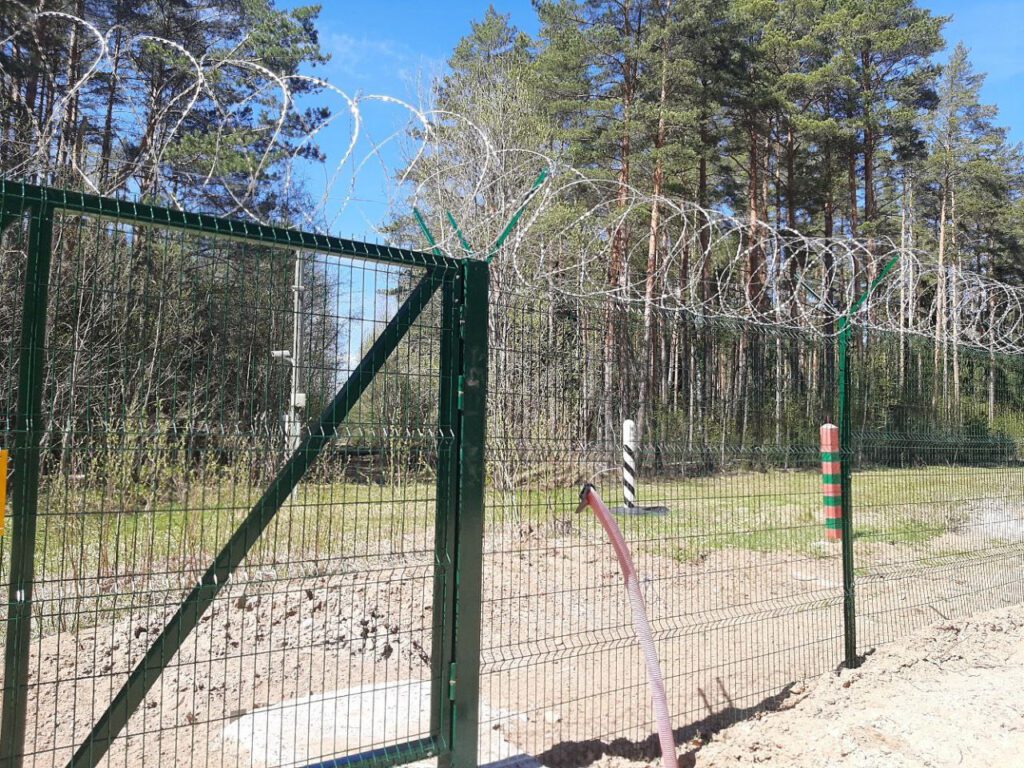
Estonia shares three border crossings with Russia: Narva in the north, and Koidula and Luhamaa in the south. Authorities have not specified the duration of the closure.
This incident marks the second attempted attack on an Estonian defence firm attributed to Russia this year. In August, an arson attack targeted Milrem Robotics. Kapo later determined that the August incident was a deliberate, pre-planned operation conducted on behalf of Russian special services.
Intelligence agencies across Europe have repeatedly warned of rising sabotage threats against defence companies. These warnings often cite Russian efforts to recruit citizens in EU and NATO countries via online messaging platforms to carry out acts of sabotage.
Michal noted that the weekend’s arrests were possible because security agencies had previously warned the defence industry about potential risks. He stated that preparedness matters and that the warning system clearly paid off in this instance.
The Kremlin has consistently denied involvement in such incidents. Russian foreign ministry spokesperson Maria Zakharova dismissed the accusations as aggressive Russophobia. She told state news agency Tass that the claims fit into a pattern of unrestrained hostility toward Russia.
Estonia summoned Russia’s chargé d’affaires following the August attack, but the Kremlin rejected the accusation as baseless. The current border closure represents a significant escalation in Estonia’s response to what it views as coordinated hostile actions.
Source: The Guardian
