


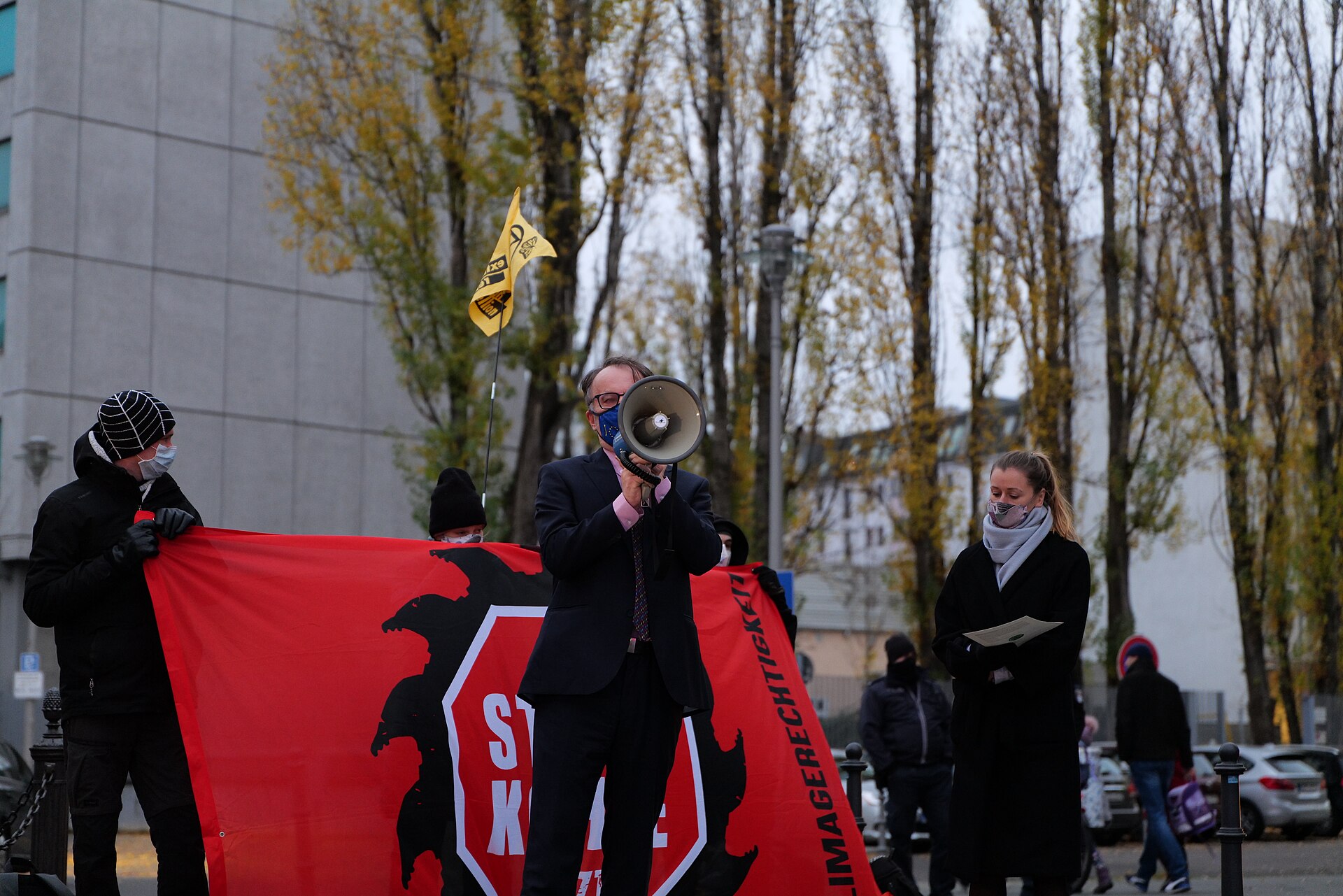
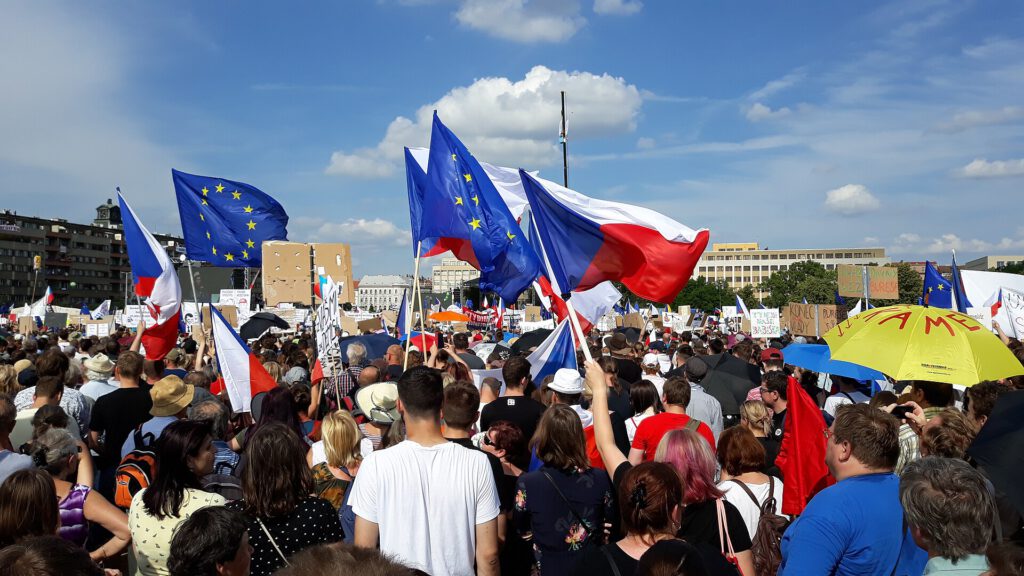
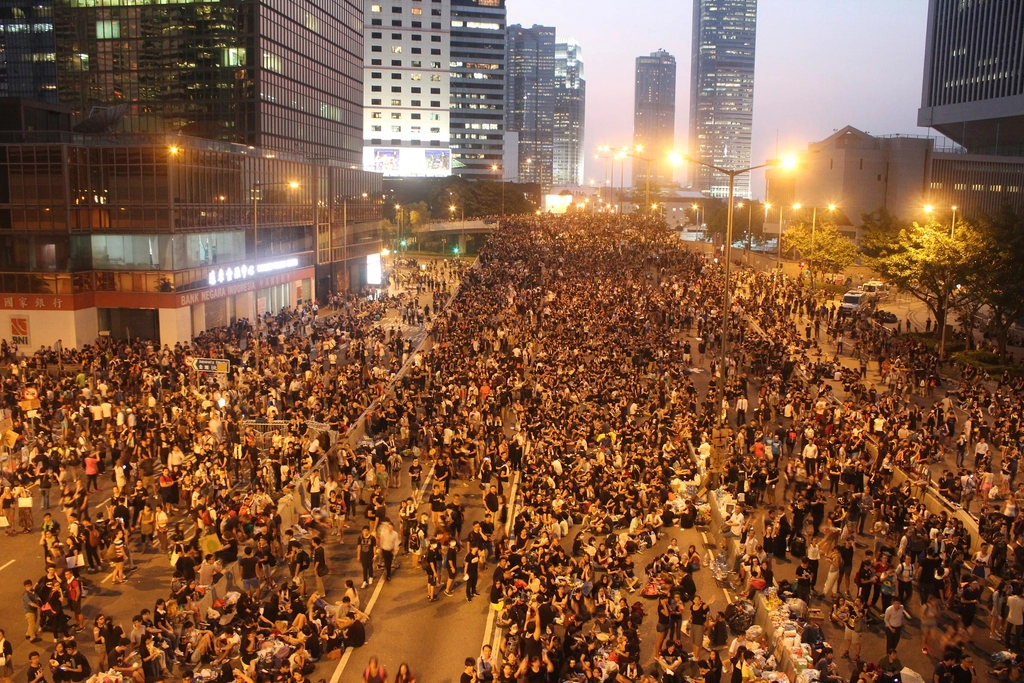
Approximately 400,000 people gathered in Prague’s Letna Park on Sunday to protest the Czech government’s plan to scrap the license fee for public broadcasters. Organizers from the Million Moments for Democracy association described the demonstration as the largest in the history of the independent Czech Republic since 1993.
Scale of the Prague Demonstration
Czech Radio stated that the turnout marked the largest protest in the nation’s modern history. The coalition government, led by Prime Minister Andrej Babis, has proposed replacing the monthly household fee with direct state budget funding. Critics argue this shift would give politicians direct control over editorial decisions and stifle media freedom.
Current regulations require Czech households to pay 205 crowns monthly for Czech Television and Czech Radio. The government insists the change is necessary to cut costs and will not affect editorial independence. Parliament passed the first draft of the proposal late last month, sparking immediate backlash from journalists and citizens alike.
Fears of Political Control
Protesters have drawn comparisons to media policies in Hungary under former Prime Minister Viktor Orbán, who maintained tight control over state media. Pavol Szalai, the Prague Bureau director for Reporters Without Borders, noted that political attacks on media have become a hallmark of Babis’s premiership since he took office in December 2025.
Attendees at the rally expressed deep concern about the future of objective reporting. Milana Rudolfova, a 72-year-old pensioner, told Reuters that public television serves as a guarantee of truth and objectivity. She warned that without independent public broadcasting, citizens would no longer be able to trust any news sources.
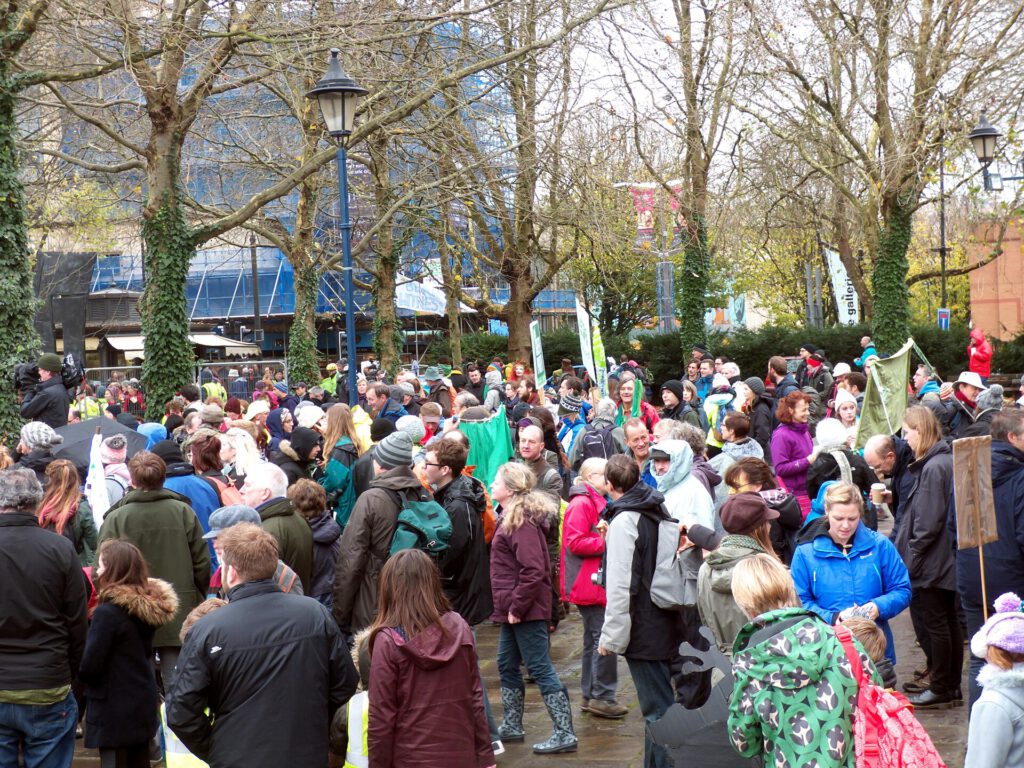
Some demonstrators wore pointed hats made from newspapers, a tribute to Večerníček, an animated character who has introduced Czech Television’s nightly children’s bedtime stories for decades. The gesture highlighted the cultural significance of the broadcaster beyond its journalistic role.
Government Stance and Next Steps
The ruling coalition, which includes the populist ANO party and two right-wing Eurosceptic parties, maintains that the new funding model will not compromise journalistic integrity. They argue that state budget funding will allow broadcasters to reduce operational expenses while maintaining their services.
Despite the government’s assurances, the scale of the protest indicates significant public resistance to the proposed changes. The demonstration follows weeks of smaller rallies and growing criticism from international press freedom organizations regarding the direction of Czech media policy.
The government has not yet announced a timeline for the final implementation of the funding changes. Further legislative discussions are expected as the coalition navigates the ongoing public opposition to the plan.
Source: BBC
