


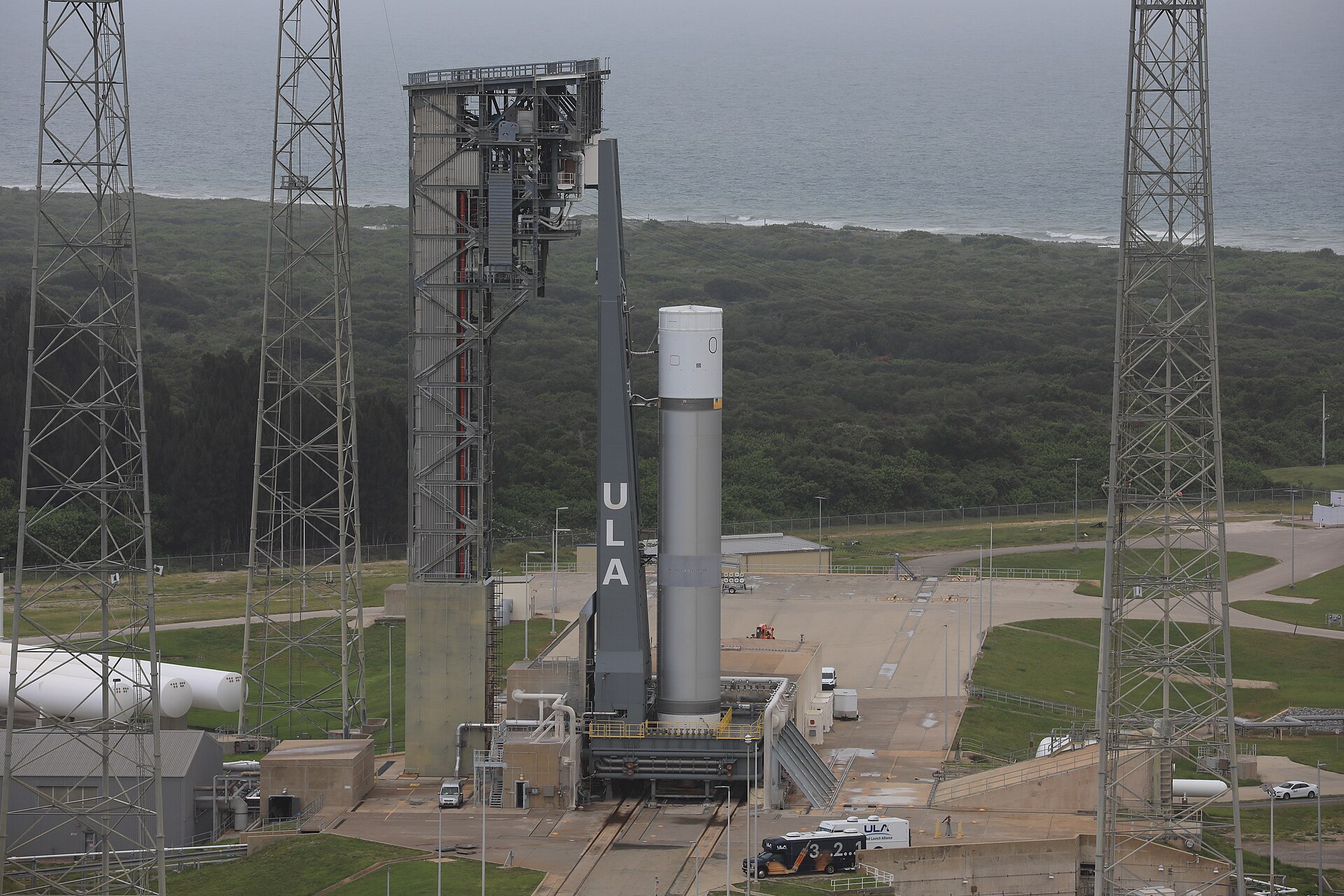
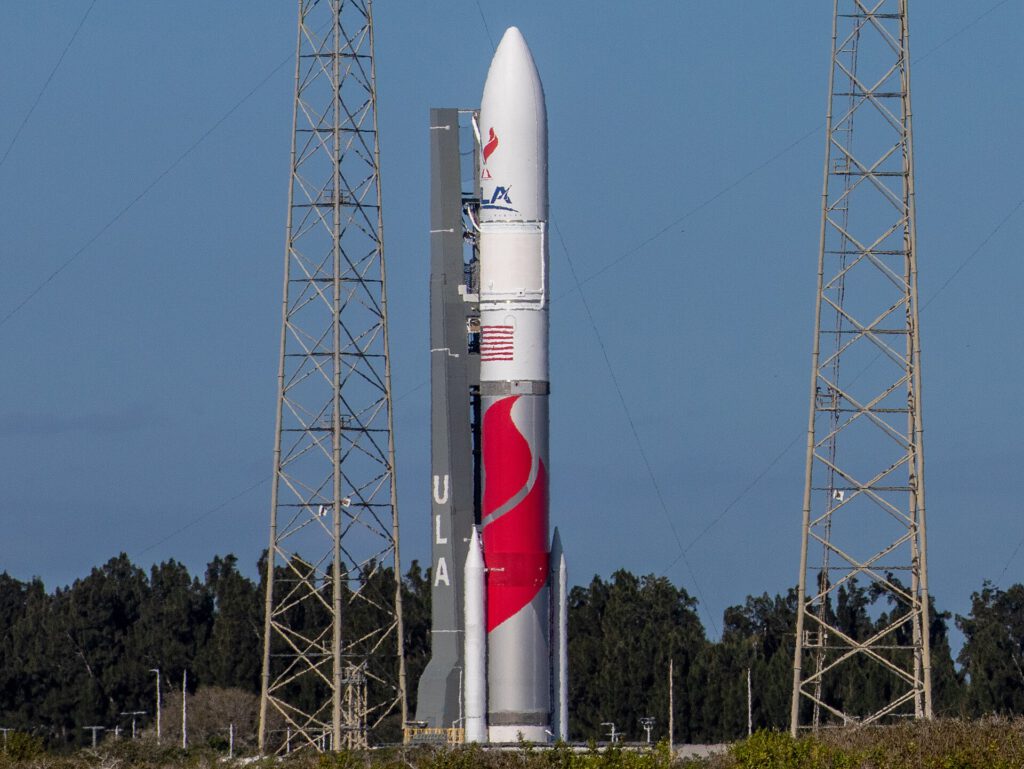
United Launch Alliance experienced its first launch failure since its formation in 2006 when its new Vulcan rocket malfunctioned during a mission to deploy 40 Amazon Leo internet satellites. The anomaly occurred approximately 10 minutes into the flight, preventing the payload from reaching orbit and destroying the entire batch of satellites.
First Anomaly for United Launch Alliance
The incident marks a significant departure from the reliability history of the company, which was established as a joint venture between Boeing and Lockheed Martin. For two decades, the alliance maintained an unblemished record with its Atlas V rocket, a vehicle known for its consistent performance. The Vulcan, designed as a more powerful and complex successor, has now entered a period of intense scrutiny following this event.
According to a statement posted on X, the company confirmed that the vehicle launched from Space Launch Complex 41 encountered an issue during the ascent. The organization stated it would collaborate with Amazon and other relevant entities to determine the root cause and implement corrective actions. The goal is to return to flight operations as quickly as possible while ensuring full transparency with the customer regarding the investigation process.
Engineers noted that every flight generates data that helps understand what occurred, though specific details about the anomaly are not yet available. The company emphasized that the investigation utilizes a rigorous methodology to ensure safety and reliability before any future launches.
Impact on Amazon Leo Network
The failure represents a major setback for Amazon’s efforts to build a global internet constellation intended to compete with SpaceX’s Starlink network. Amazon had scheduled 38 Vulcan flights to launch its Leo satellites, following eight successful missions using the older Atlas V rocket. Many of these upcoming launches are now likely to be delayed as the Vulcan program faces a potential grounding.
Amazon is under pressure from the Federal Communications Commission to have 1,600 satellites in orbit by July 31, 2026. The company currently has approximately 390 satellites in service. While the original plan called for 3,232 satellites by July 2029, the combination of this failure and previous scheduling slips makes meeting that target increasingly difficult. In July, Amazon noted that no operator could have predicted that all three core heavy-lift launch programs would experience concurrent delays severe enough to exhaust their buffers.
The situation is further complicated by issues at Amazon’s other launch provider, Blue Origin. The company suffered a setback in May when its New Glenn rocket exploded on the launchpad. Blue Origin has 24 flights booked on that vehicle, adding to the logistical challenges for the Leo constellation.
Launch Sequence Details
The launch attempt was originally scheduled for Friday but was scrubbed due to a refueling issue. It was rescheduled for Sunday, November 15, at approximately noon ET. Controllers called a hold at T-minus 20 seconds due to an unknown technical problem, which was resolved before the end of the launch window. The rocket lifted off at 12:40 PM ET.
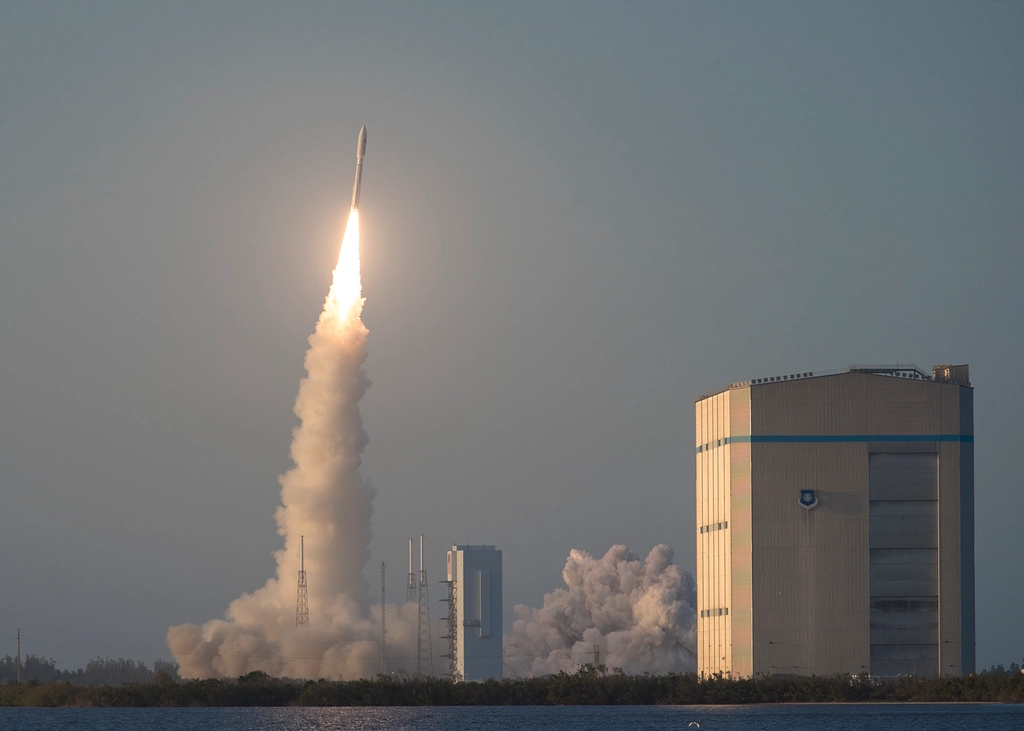
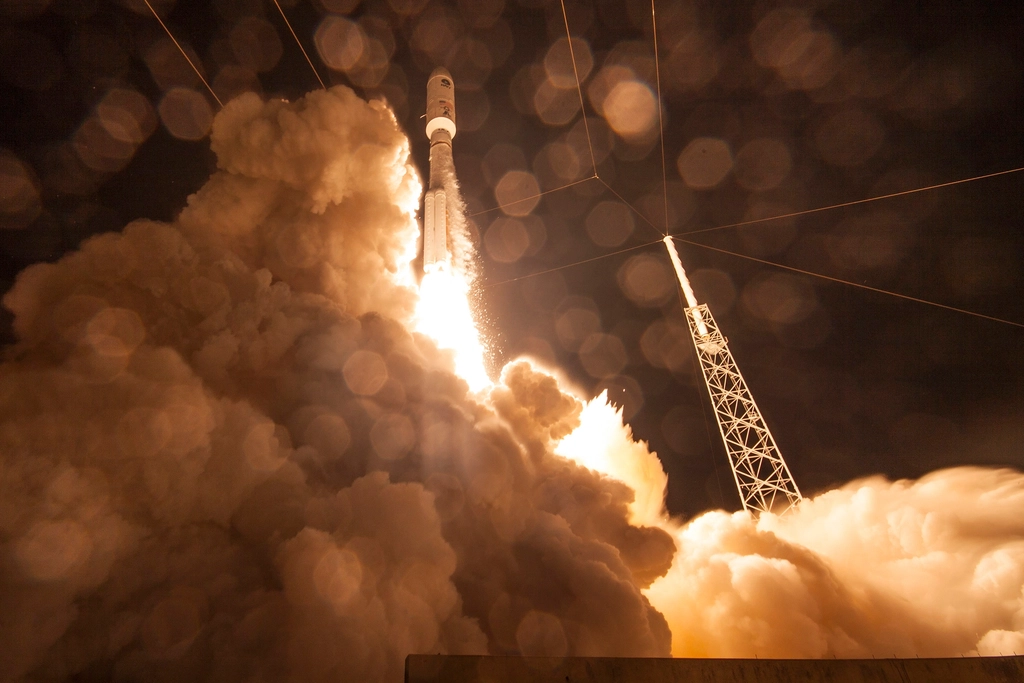
Initial reports indicated that the solid rocket boosters, which had caused problems on two earlier flights, appeared to function normally. However, the first-stage methane engines fired longer than expected based on the estimated timeline. After the first stage separated, the hydrogen-powered Centaur upper stage engines initiated a planned 12.25-minute burn. The anomaly occurred during this phase of the flight, according to the company’s website.
United Launch Alliance has committed to working closely with Amazon to resolve the issues and restore launch capabilities. The outcome of the investigation will determine the timeline for the next Vulcan mission and the subsequent deployment of the Amazon Leo satellites.
Source: Engadget
