


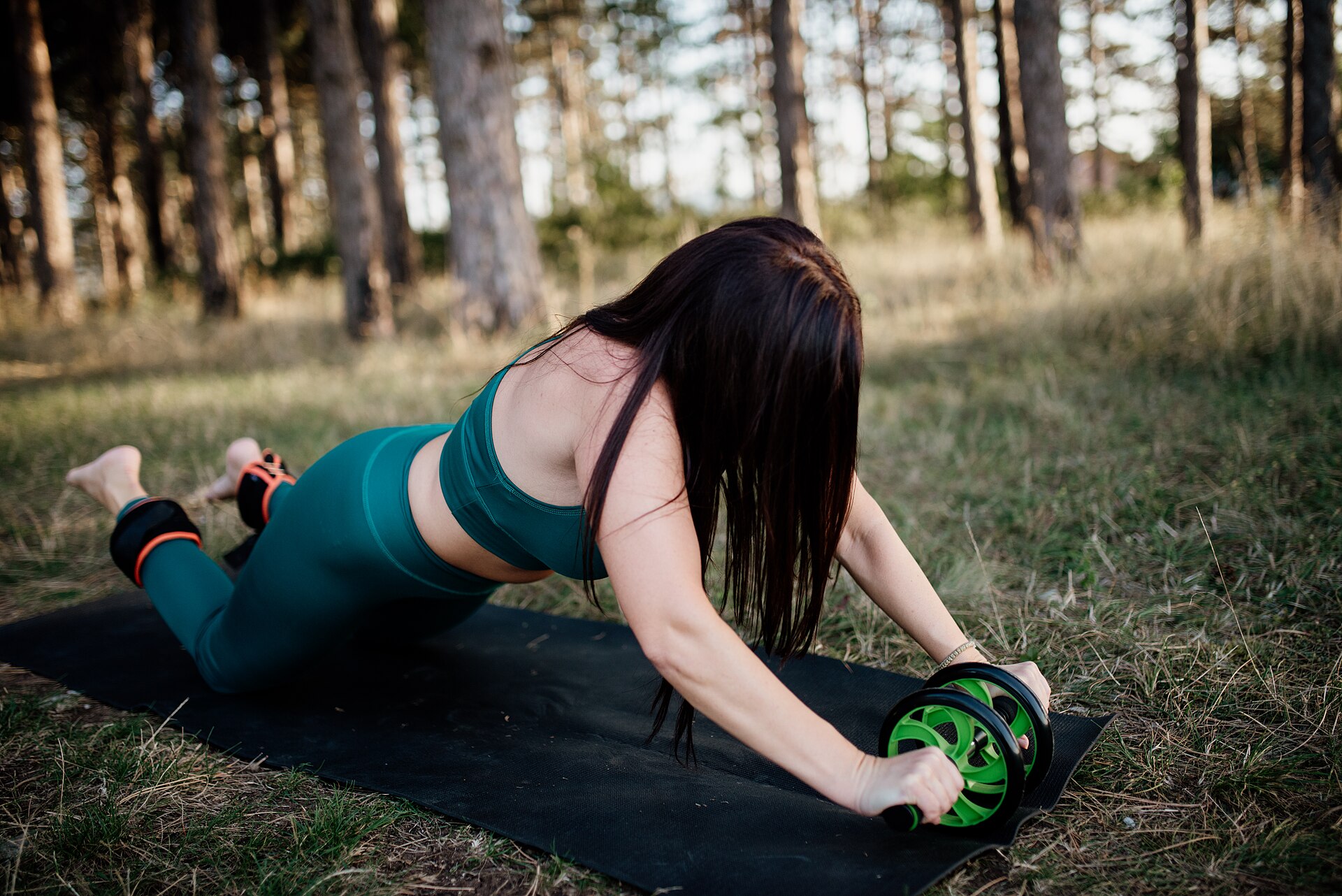
Ankles serve as the body’s primary shock absorbers and are essential for balance, standing, walking, and running. Despite their importance, most people do not actively train them until an injury occurs. These incidents are frequent, with ankle injuries accounting for 5% of visits to accident and emergency departments in the UK, according to NICE.
Genevieve Tawiah, a performance physiotherapist who has worked on the television show Strictly Come Dancing, states that these injuries can be avoided if individuals are strong and aware of their foot and ankle mechanics. She emphasizes that strength and awareness of the entire kinetic chain are key to prevention.
Building Brain to Body Awareness
Tawiah identifies the foundation of strong ankles as being “brain to body aware.” This concept involves sensing the movements of the ankles without relying on visual cues, such as looking down at one’s feet. The goal is to send information from the brain down to the foot and ankle to ground the body and create a stable foundation for exercise.
To develop this awareness, Tawiah suggests starting with small movements of the toes, as these affect how weight is loaded through the ankles. One recommended exercise involves pressing the tip of the big toe into the floor and holding the position. This action engages the arch of the foot, creating a sensation of something pulling through the arch.
Another method involves placing a pen on the floor next to and parallel with the big toe. The individual then attempts to move the big toe toward the pen. This movement is known as toe abduction and helps isolate specific foot muscles.
Exercises for Balance and Control
The primary functions of the ankle include balancing, weight bearing, and transmitting force. Tawiah recommends several exercises to enhance these capabilities. Heel raises are a fundamental movement. To perform them correctly, stand next to a sturdy surface, lift the heels off the floor, and roll onto the toes. It is critical to ensure the ankles do not wobble or stick outwards during the motion.
Balance can be improved by walking with one foot in front of the other, similar to a gymnast on a beam. This requires maintaining strict foot control throughout the stride. Control exercises include moving from a sitting to a standing position on one or two legs, as well as navigating stairs. Tawiah advises that if an individual tends to lead with one leg when climbing stairs, they should practice leading with the opposite side to ensure even strength distribution.
For those recovering from ankle sprains, balancing on one leg while throwing and catching a ball can be beneficial. This adds a cognitive element to the physical balance task. Stepping to either side and balancing on the landing leg also helps improve landing control. Individuals with tendinopathy, which is chronic pain in the tendon, should focus on slow and heavy loads. Calf raises with added weight, such as on a leg press machine, are suitable for this condition.
Choosing the Right Footwear
Selecting appropriate shoes is another critical factor in supporting the ankles. Tawiah notes that many people wear flat ballet pumps, pointy shoes, or trainers that are narrower at the front. These styles can restrict natural foot movement. She suggests imagining the top of the shoe is removed to check if the toes have space or if the big toe is being pushed over.
Barefoot shoes are gaining popularity and can be useful, but Tawiah warns that users must have a good baseline of foot and ankle strength before adopting them. It is important to pace the transition to avoid injury.

Arch support is also important because it affects how weight is taken through the foot during tasks. For squat exercises, a flatter shoe is preferable. A spongy-soled shoe makes it harder to balance and distribute weight correctly. Conversely, running requires a trainer that provides cushioning for impact and shock absorption. For longer all-terrain walks, hiking boots can reduce the risk of severe sprains, but wearing them day-to-day may cause increased ankle stiffness by limiting mobility.
Drs Chris and Xand van Tulleken host the podcast What’s Up Docs? on BBC Sounds, where they discuss these health topics.
Source: BBC
