


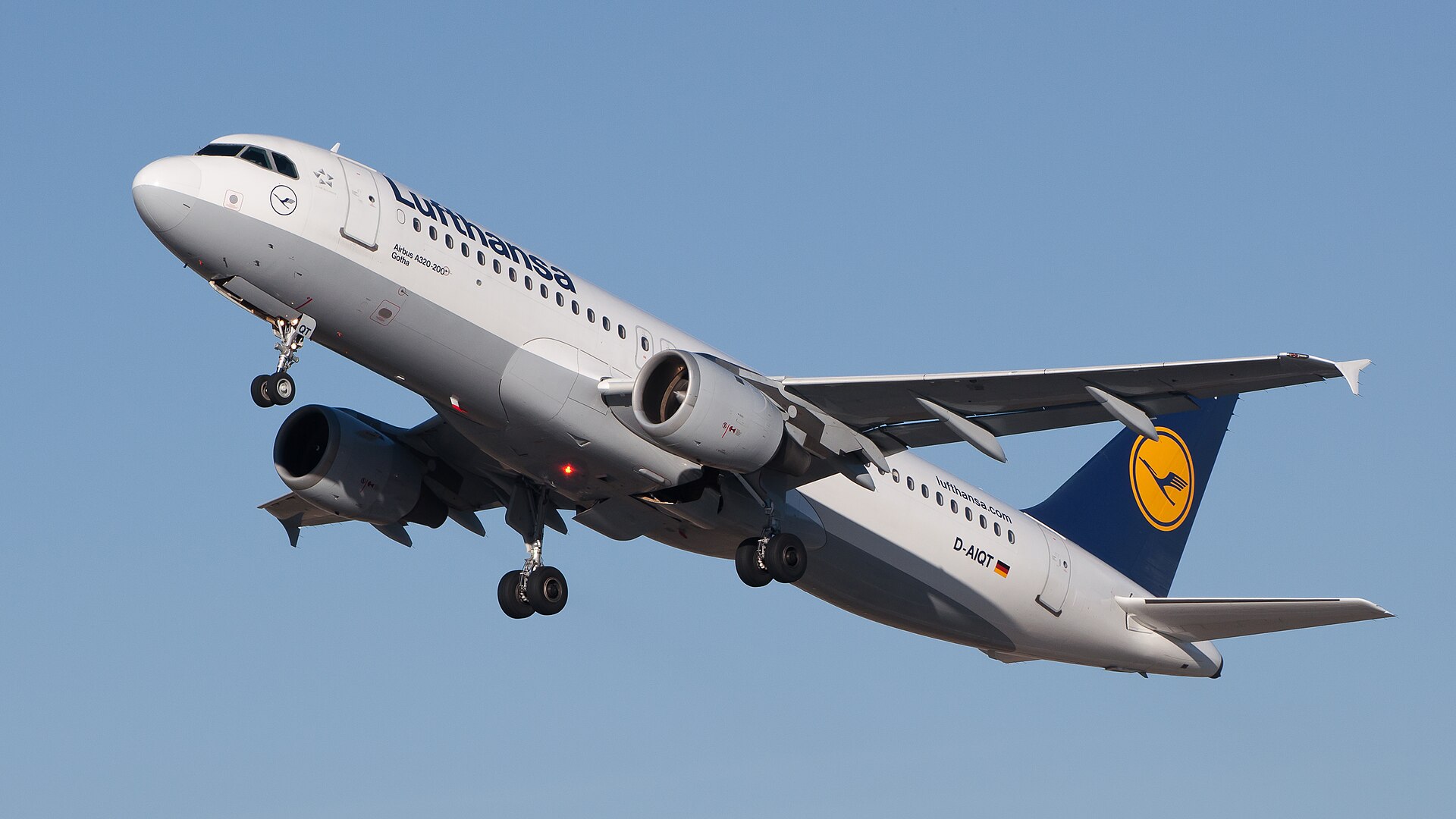
European airlines are absorbing a new financial burden as the era of free carbon allowances under the European Union Emissions Trading System (EU ETS) comes to a close. The policy shift, which took effect in 2026, requires carriers to purchase allowances for every metric ton of carbon dioxide emitted on intra-European flights. This change arrives at a time when jet fuel prices remain elevated, squeezing profit margins across the industry.
Major Carriers Report Higher Expenses
The financial impact is already visible in recent earnings reports. International Airlines Group, which operates British Airways and Iberia, paid €359 million ($395 million) in carbon-related costs during the first nine months of 2026. This represents a 21% increase from the same period last year. The group explicitly cited the removal of free allowances in both the EU and the UK as a primary driver of the rise.
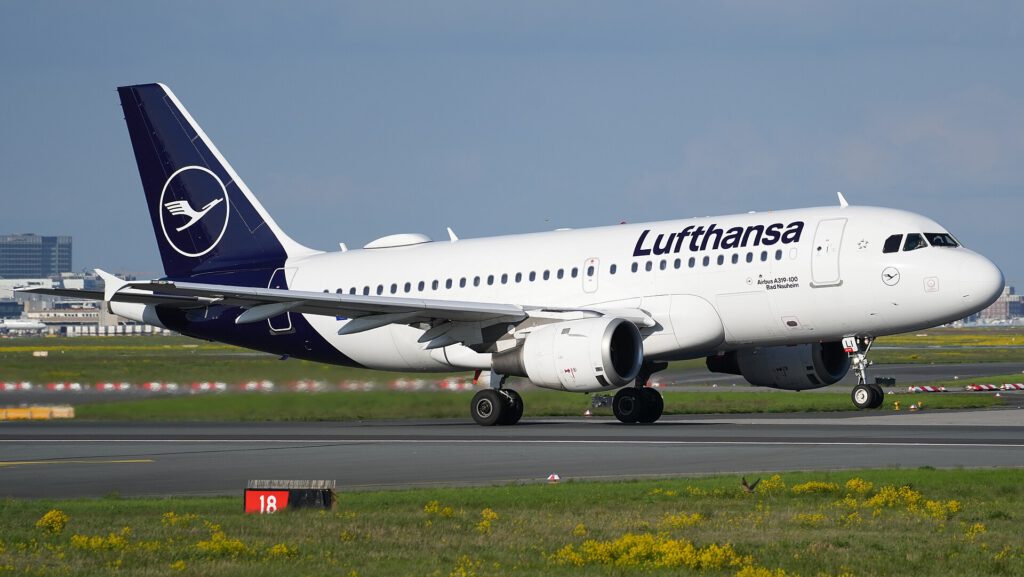
Air France-KLM reported combined costs for CO2 allowances and sustainable aviation fuel (SAF) of €484 million ($532 million) for the nine months ending in September. This figure is approximately 9% higher than the previous year. Finnair’s finance chief estimated the additional quarterly cost at roughly €10 million ($11 million), noting that this level of expense appears to be a permanent fixture for the airline.
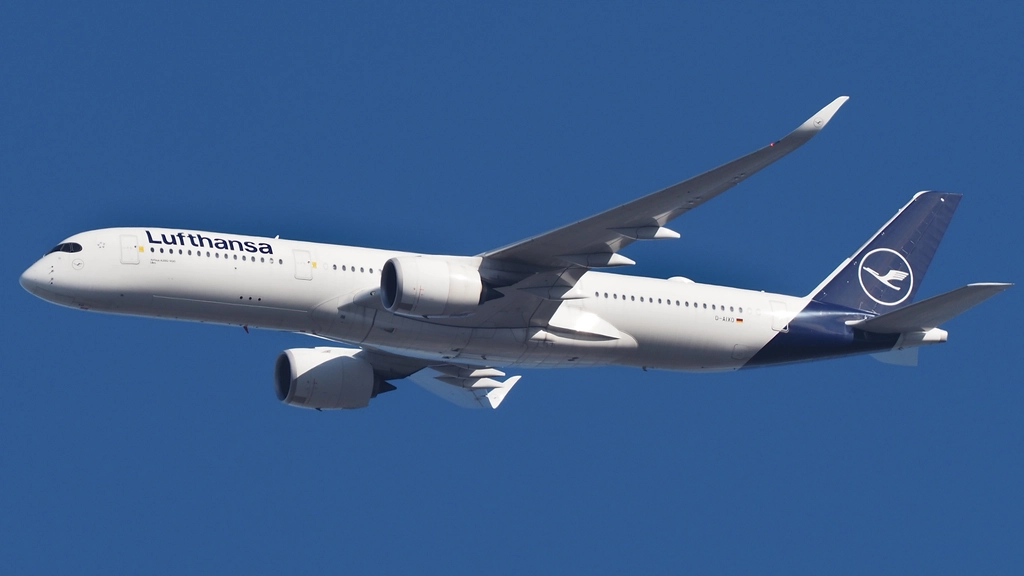
Lufthansa, another major European carrier, expects its costs related to SAF mandates to reach €200 million in 2026. These expenses are compounding existing pressures from high jet fuel prices, which stood at $4.02 per gallon as of November 13.
Regulatory Changes and Future Mandates
Under the EU ETS, airlines must surrender one allowance for every ton of CO2 equivalent they emit. While allowances are traded on a market, airlines previously received a portion of their allocation for free. That free allocation ended in 2026, meaning carriers must now buy every allowance they need. The UK has implemented an equivalent scheme with similar changes.
Compounding the carbon allowance costs is the EU’s ReFuelEU Aviation mandate. This regulation requires airlines to use a minimum percentage of sustainable aviation fuel at EU airports. The requirement starts at 2% in 2026 and is scheduled to rise to 6% by 2030, eventually reaching 70% by 2050. These mandates force airlines to purchase more expensive SAF blends, adding another layer of cost to their operations.
The regulatory landscape may expand further. A proposed amendment to the EU ETS would extend coverage to departing international flights of up to 5,000 kilometers. This expansion would exempt most long-haul routes to the United States and China, focusing the new costs on shorter international flights within the European sphere.
The central question for 2027 is how much of these increased costs airlines can pass on to passengers. With fuel prices already high and carbon costs now a standing line item in financial results, carriers are balancing the need to maintain profitability against the risk of reducing demand. The industry must now navigate a new reality where environmental compliance is a direct and significant operational expense.
Source: Skift
