


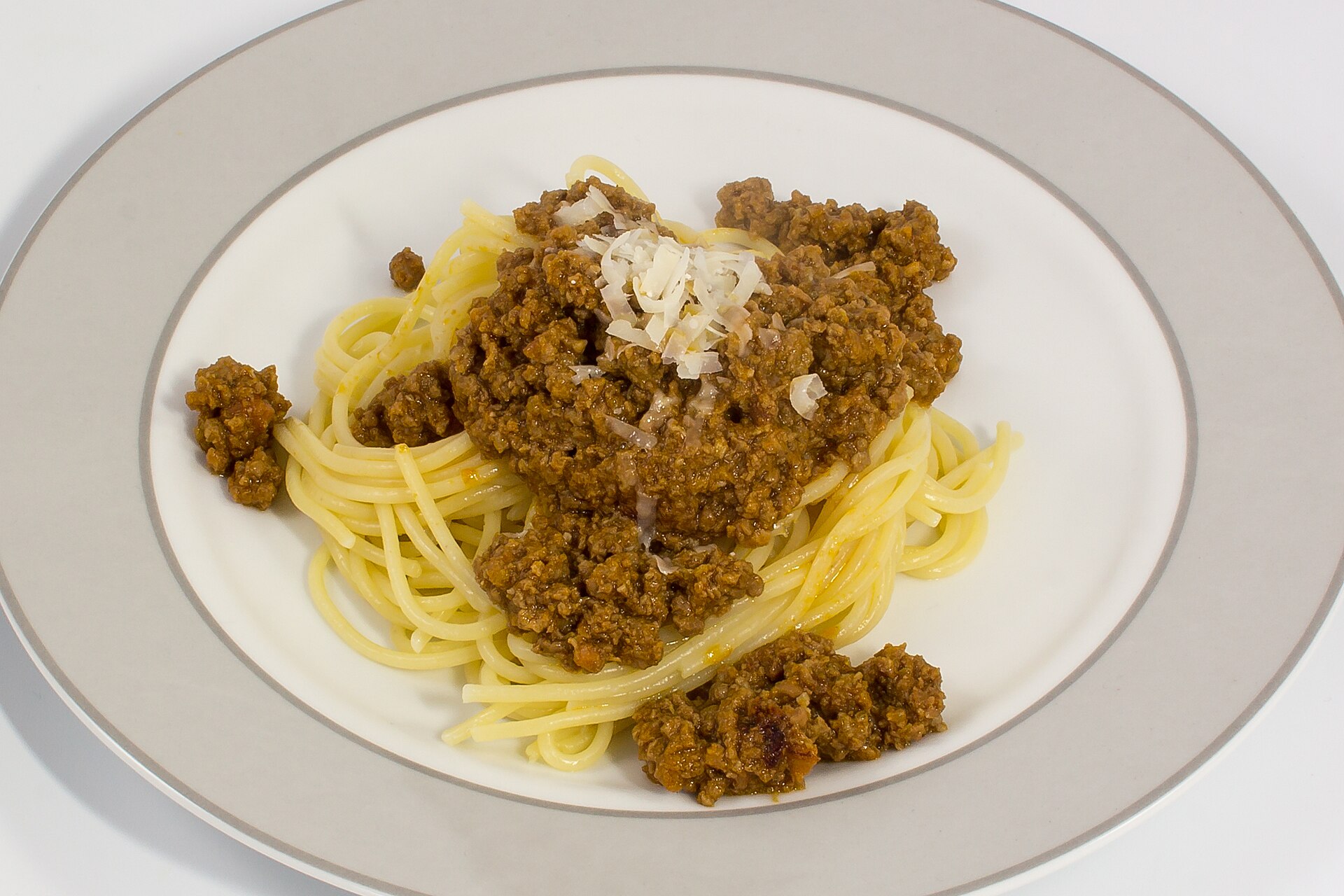
Spaghetti bolognese carries the name of Bologna across the globe, a distinction that causes significant embarrassment for restaurants in the Italian city. While the dish is a staple in British school canteens, found in jars on supermarket shelves worldwide, and served in London and Sydney, it does not exist in Bologna itself. Ordering it in a local trattoria beneath the Two Towers typically results in a pitying smile or a plate of tagliatelle accompanied by a lesson in local history.
A Culinary Heresy
Many Italians regard the international version of the dish as an outrage. It is viewed as a heretical and misshapen creation cooked by those unfamiliar with authentic Bolognese food. The rejection is not merely a matter of taste but of identity. In February 2019, then-mayor Virginio Merola asked citizens to send him photos of spaghetti bolognese spotted abroad. He opened the collection with an image from a London restaurant chalkboard, telling journalists it was embarrassing to be known globally for something that does not exist.
This was not the first attempt to address the issue. A few months earlier in 2019, the Accademia Italiana della Cucina registered a recipe with Bologna’s chamber of commerce. The recipe was for spaghetti in a tinned tuna sauce, billed as “Bolognese style.” The press hailed this as the real spaghetti bolognese. In its eagerness to deny that spaghetti with ragù existed, the Accademia effectively handed the city a dish that is now cooked all over Italy. This version likely began around Rome in the early 1900s and has little to do with Bologna.
Historical Roots and Global Spread
The global fame of spaghetti bolognese is rooted in the city’s historical reputation. Bologna was a byword across Europe for centuries, primarily due to its cured meats, particularly mortadella, which became famous from the Renaissance onwards. By 1596, pamphleteer Thomas Nashe mocked a poet for wearing a codpiece as big as a “Bolognian sawcedge.” By 1660, Robert May’s The Accomplisht Cook included a recipe for “Bolonia Sausages,” which English cookbooks copied for generations. Mortadella was made for export, and once charcutiers learned to tin it in the late 19th century, the name of Bologna knew no borders.
The second reason for the dish’s spread is the innovation of Bolognese ragù. Neapolitan ragù, a century older, involved braising a large joint of veal, with the juices dressing the pasta while the meat served as the main course. The Bolognese version placed minced meat directly into the pasta course, making it richer and more practical. This shift mirrors the logic of the hamburger, swapping a steak for mince to create something cheaper and equally good.
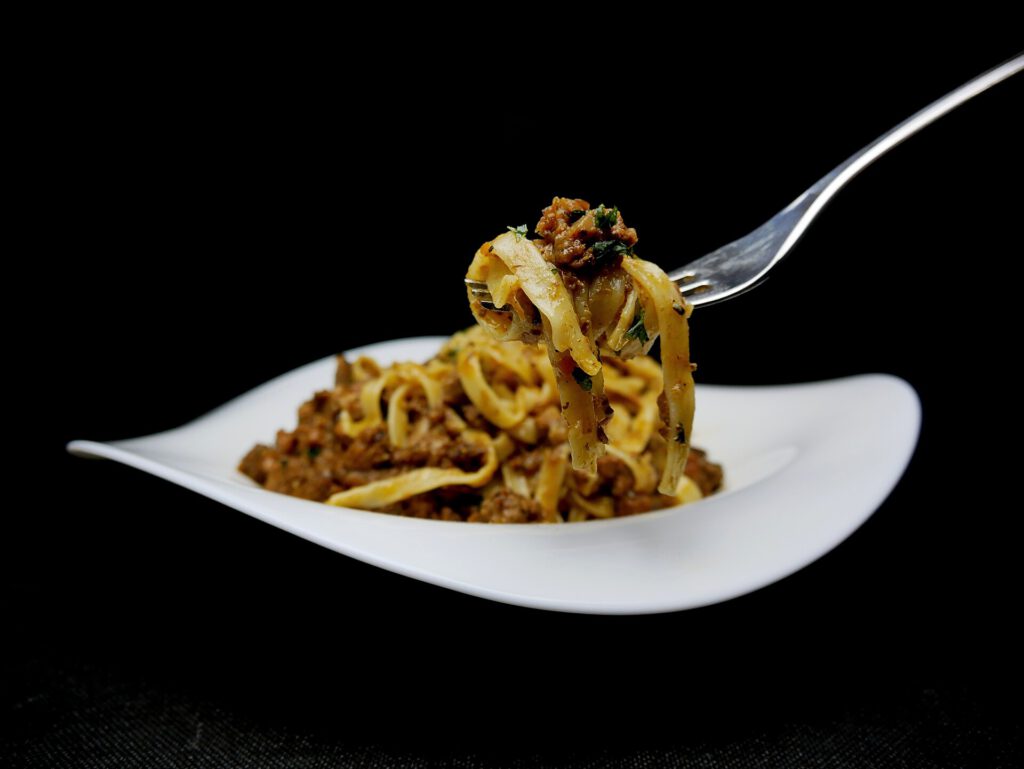
Ragù entered cookbooks in 1891 when Pellegrino Artusi published “Maccheroni alla bolognese” in Science in the Kitchen and the Art of Eating Well. The recipe used lean veal, pancetta, butter, onion, carrot, and stock, with no tomato. The pasta used was dried durum wheat maccheroni, not tagliatelle. Spaghetti appeared in the recipe in 1898, in an advertisement for the Hôtel Ville et Bologne in Turin offering “Spaghetti di Napoli alla bolognese.” Before ragù was paired with tagliatelle, it had already partnered with spaghetti.
In Bologna, fresh pasta kept ragù company, but abroad, especially in the United States, spaghetti bolognese took hold. Egg pasta was hard to come by, so when Julia Lovejoy Cuniberti translated Artusi’s recipe in 1917, she suggested the sauce for “macaroni or spaghetti.” The dish gained further recognition in 1952 at a fair held at the Royal Festival Hall in London. The Queen Mother showed interest in spaghetti bolognese before being welcomed at the British stand with a cup of tea.
Tagliatelle and spaghetti went their separate ways as the recipe evolved, but this does not negate the existence of spaghetti bolognese. The Bolognese may continue to disown it, but tourists can rest assured that every time they order the dish, they will be corrected, kindly but firmly.
Source: The Guardian
