


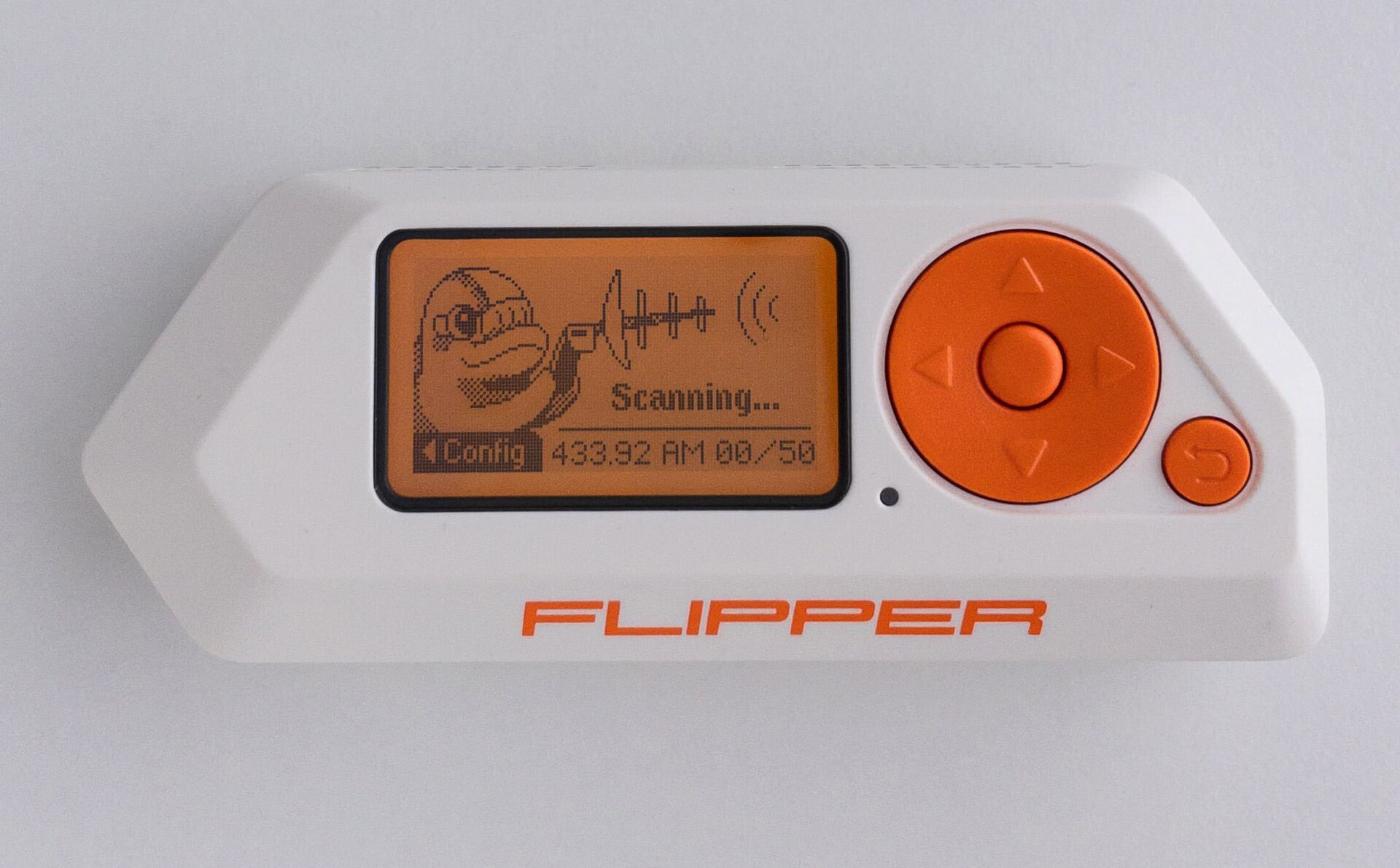
Flipper Devices has officially opened preorders for the Flipper One, a new pocket-sized computing device that runs a full Linux operating system. The company launched a Kickstarter campaign on Tuesday to fund production, setting the price at $399. Shipping is scheduled to begin in July 2027 for backers who pledge early.
Flipper One Hardware Specifications
The device marks a significant departure from the company’s previous hardware. While the popular Flipper Zero focused on wireless protocols like NFC, RFID, and infrared, the Flipper One is designed for high-performance computing and IP networking. It features an 8-core RK3576 ARM processor paired with a dedicated neural processing unit and a graphics processor.
Connectivity options are extensive for a device of this size. The Flipper One includes two gigabit Ethernet ports, PCIe slots, SATA interfaces, and USB 3.0 connections. It also supports Wi-Fi 6e and features an M.2 slot for expansion modules. These modules can include a 5G modem or a mesh networking LoRa radio, which allows the device to function as a walkie-talkie.
The hardware is powerful enough to support an external display. Users can connect the device to a TV or monitor via USB-C or HDMI. Flipper Devices suggests the hardware can serve as a media player or a networking diagnostics tool when connected to larger screens.
Flipper OS and Software Ecosystem
The device runs Flipper OS, which is based on Debian Linux. The firmware is open source, allowing developers to create custom applications and tools. This software foundation supports the device’s role as a multi-tool for IT professionals and hobbyists who need to test network infrastructure or develop embedded systems.
Flipper Devices emphasizes that the Flipper One is not a successor to the Flipper Zero. The two products target different use cases. The Zero remains available for $169 and focuses on wireless interaction. The Flipper One is a distinct product aimed at users who require robust wired and wireless networking capabilities in a portable form factor.
Preorders are currently available through the company’s Kickstarter page. The campaign aims to move the device from prototype to mass production. Backers who secure a pledge today will receive their units more than a year after the initial announcement of the project last May.
Source: The Verge
