


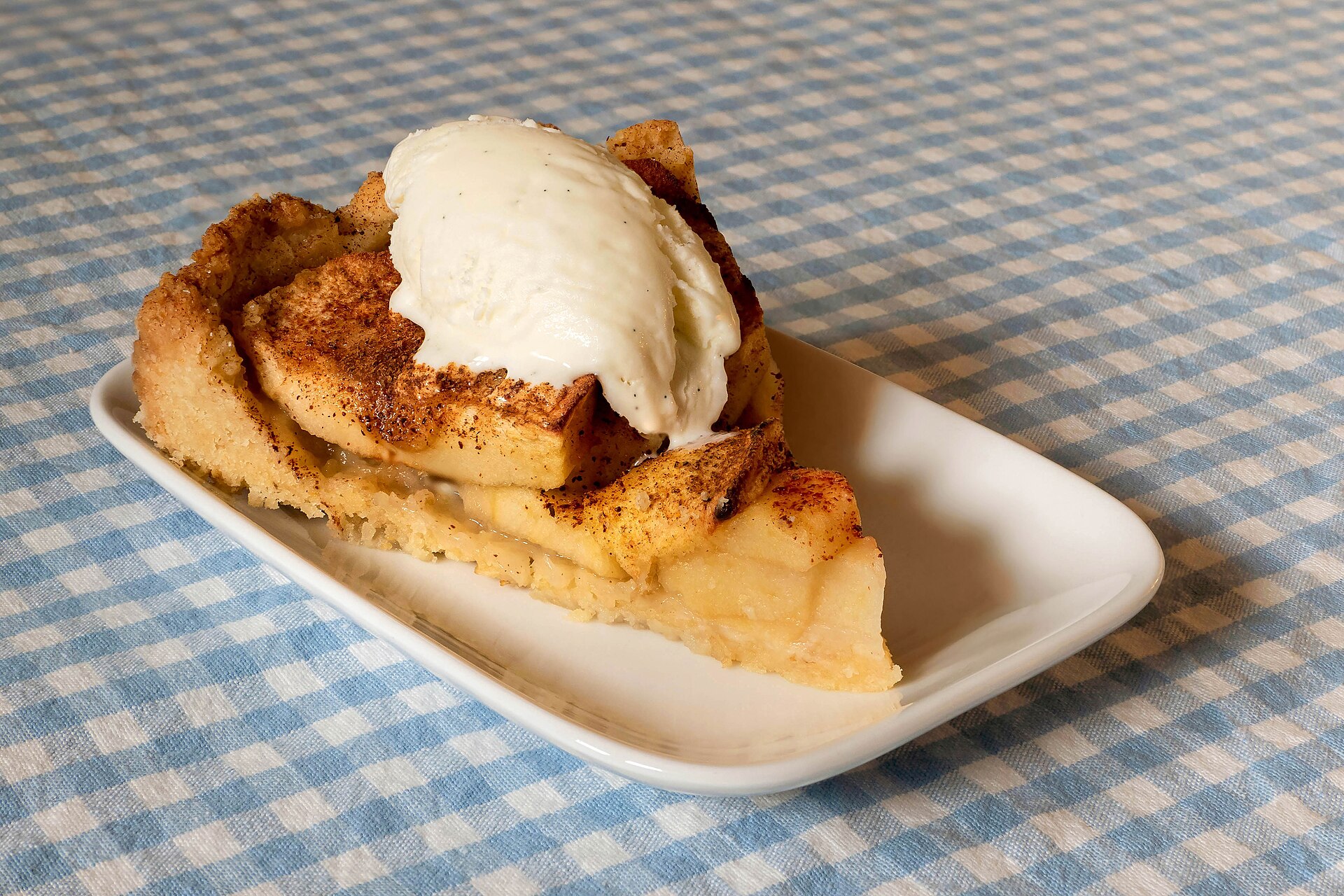
A wet bottom crust is a common frustration for home bakers making fruit pies. The issue usually stems from excess moisture in the filling and insufficient heat reaching the pastry. Experts suggest that managing water content and optimizing the baking environment are the most effective ways to ensure a crisp result.
Managing Filling Moisture
Calum Franklin, author of The Modern Pie Maker, advises starting with the filling itself. Apples release significant water as they cook. Adding extra liquid is unnecessary and often leads to a saturated crust. Franklin recommends cooking the apples with sugar until they break down naturally. This method concentrates the flavor without introducing additional moisture that the pastry cannot handle.
Dee Rettali, co-founder of Fortitude Bakehouse, suggests creating a physical barrier between the fruit and the dough. She recommends sprinkling a fine mixture of sugar and flour on the unbaked pastry before adding the fruit. This layer absorbs excess liquid during the baking process. Rettali also advises chilling the dough in the freezer until firm before lining the tin. This step helps the pastry hold its shape and withstands a longer bake time.
Choosing the Right Tin and Heat Source
The material of the baking tin plays a critical role in heat distribution. Rettali notes that metal tins conduct heat far better than ceramic or glass dishes. A perforated metal tin is ideal because it allows steam to escape from the bottom. This ventilation prevents the crust from steaming and becoming soft.
Franklin disagrees with using a baking stone. He argues that a stone creates a barrier between the pie and the direct heat of the oven. Instead, he places the tin directly on the oven rack. This position exposes the base to higher temperatures, which helps brown and crisp the pastry.
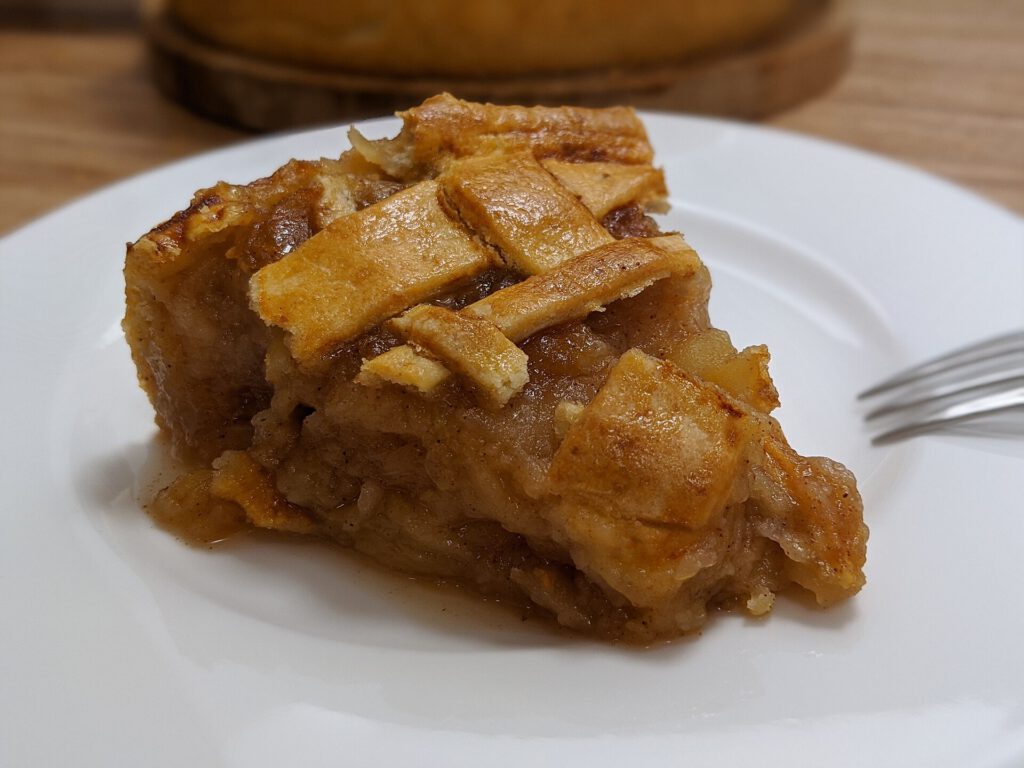
For the top crust, Franklin uses pure egg yolk for an egg wash. He avoids egg whites because they can leave the pastry looking dull. A sprinkle of demerara sugar on top adds texture and crunch. Rettali does not cut a hole in her top crust, relying instead on the steam escaping through the perforated base.
Baking Time and Doneness
Undercooking is a frequent cause of gummy pastry. Franklin states that many recipes do not provide enough baking time. He recommends adding at least ten minutes to the suggested cook time. Large pies may require forty minutes or more to ensure the center is hot and the crust is fully set. Home ovens often run cooler than their dials indicate, so extra time is necessary.
Visual cues are the best indicator of doneness. Franklin looks for a mahogany color on the crust. This deep brown shade signals that the pastry has caramelized and the base is likely crisp. Achieving this color requires patience and the right combination of moisture control and heat management.
Source: The Guardian
