



The European Union has committed €400m ($450m) to a new initiative called PIX Europe, designed to establish the continent as a global leader in photonic integrated chips. The project centers on a pilot production line in Eindhoven, Netherlands, which aims to transition the technology from laboratory research to industrial-scale manufacturing.
Photonic chips use light instead of electrons to process data. This fundamental difference allows them to operate faster, consume less energy, and generate significantly less heat than the traditional electrical microchips that currently power smartphones, televisions, and vast data centers. Ton van Mol, who leads a key part of the programme at the Dutch research institute TNO, stated that photonic chips are on the verge of a major breakthrough.
Scaling Production in Eindhoven
Currently, photonic chip manufacturing worldwide relies on four-inch wafers. The Eindhoven project seeks to scale this up to six-inch indium phosphide wafers, a critical step for efficiency. TNO is constructing a 10,000 square meter factory on the High Tech Campus in Eindhoven to support this transition. The facility is scheduled to fully open in 2030, with the goal of achieving a stable, high-yield production process.
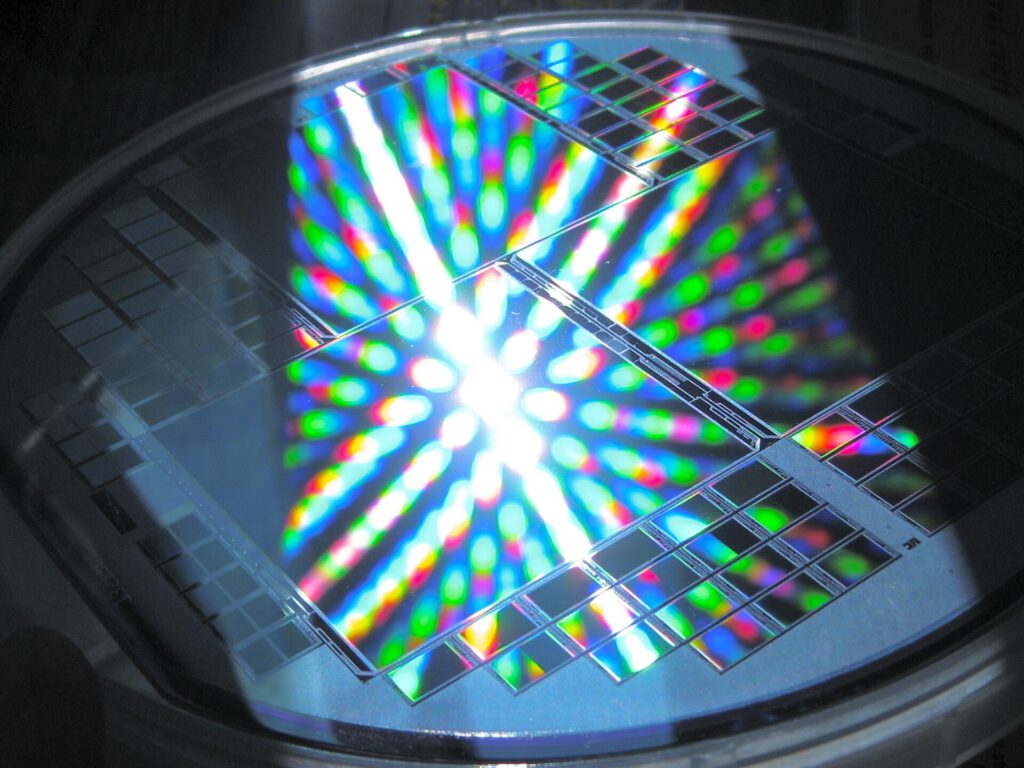
Van Mol described the facility as a serious pilot line intended to serve the broader industry. The plan is to open the facility to industrial partners once the production methods are refined, allowing companies to manufacture commercial products without building their own expensive facilities. This foundry model mirrors the strategy used by Taiwanese giant TSMC, which dominates the traditional semiconductor market.
The project benefits from the existing semiconductor ecosystem in Eindhoven. The city is home to ASML, the only company in the world capable of building the machines required to produce the most advanced semiconductors. ASML equipment will be central to the new photonic pilot line, leveraging the high-end clean rooms and production methods already established in the region.
Strategic Independence and Global Competition
Europe currently lacks dominance in the broader computer chip industry, which is largely controlled by firms in the United States, Taiwan, and China. The PIX Europe initiative is part of the broader European Chips Act, which aims to build in-house manufacturing capacity to reduce this dependence. Stanislas Baron, head of ASML’s EU/US Customer Team, noted that while Europe has a strong position in photonics research, the next challenge is translating those innovations into industrial-scale manufacturing.
Former ASML chief executive Peter Wennink, who authored a report for the Dutch government on future prosperity, described the Eindhoven project as a launchpad for Europe’s future digital economy. He emphasized that investing in scalable production capacity creates an ecosystem capable of shaping global technological directions.
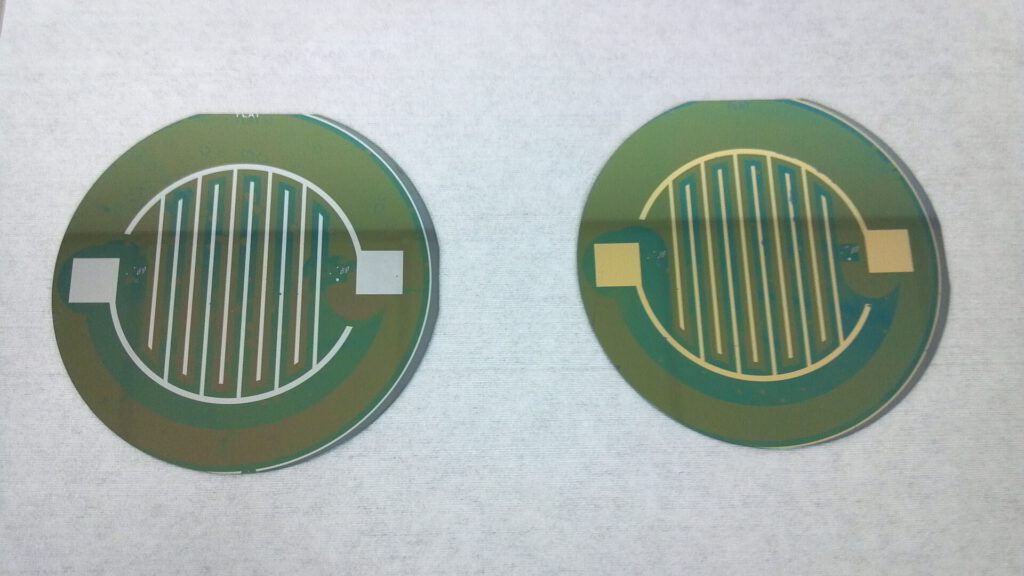
Other nations are also moving quickly to secure their positions in the photonics market. In June, US company Coherent announced the world’s first volume-production six-inch indium phosphide manufacturing platform in Texas. This expansion is backed by Nvidia and $50m in public funds under the US Chips Act. Joris Teer, a policy analyst at the European Institute for Security Studies, noted that Europe’s strategy makes sense in a globalized economy. He argued that ensuring dependence on European parties is key to retaining influence, given the continent’s high energy costs and skilled workforce shortages.
Photonic chips are already used in specialized areas such as data centers and Lidar sensor technology. Van Mol believes that scaling up production will help move the technology into everyday devices like phones and laptops, while also driving innovation in medical scanners and 6G communications. He stated that the demand is present and that manufacturing these chips in Europe is strategically important because they could become the backbone of all future data and telecommunications infrastructure.
Source: BBC
