


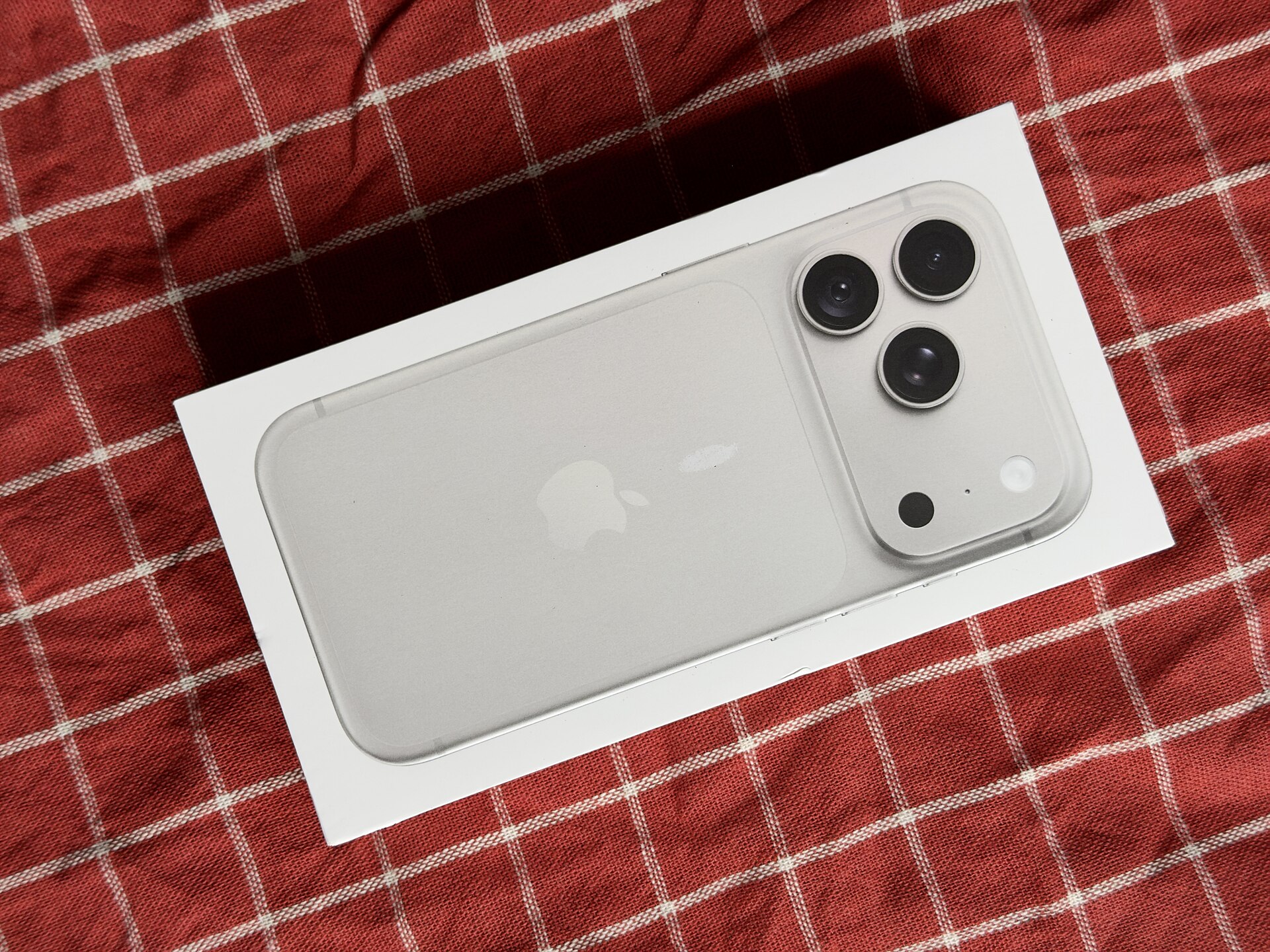
Apple is poised to increase its iPhone market share next year, with shipments expected to rise by 7% to approximately 270 million units, according to a new report from Morgan Stanley. This growth comes as the broader smartphone industry faces a significant downturn, with global shipments projected to drop by 5% in 2027.
Shipment Growth Amid Industry Decline
The forecast represents a shift in momentum for Apple, which launched a limited iPhone lineup this fall. The company released only the iPhone 18 Pro models and the iPhone Duo, with the remainder of its devices scheduled for early next year. Morgan Stanley analysts suggest this staggered release schedule may push some consumer purchases from late 2026 into 2027, contributing to the projected shipment increase without necessarily indicating a surge in underlying demand.
Despite the anticipated decline in overall market volume, Apple is expected to capture a 26% share of global smartphone shipments. This stands in stark contrast to the previous year, where the market saw an estimated 13.8% decline. The current 5% drop for 2027 is still a notable contraction compared to earlier forecasts that predicted 3.6% growth.
Apple has also navigated rising component costs more effectively than many rivals. While the industry grapples with increasing memory and storage prices, Apple raised iPhone prices in September after maintaining stable pricing for much of the year. Competitors had already introduced multiple price hikes in recent months.
Consumer Interest and Retention Rates
Consumer sentiment remains a key driver for Apple’s position. Morgan Stanley’s survey found that 37% of current iPhone owners are extremely likely to upgrade within the next 12 months. This figure is slightly lower than the 41% interest seen among smartphone owners overall, which has dropped by two percentage points year over year.
Customer retention has reached a record high of 93%, an increase of three percentage points. Apple’s net switching rate also improved to 12%, making it one of the few major brands to show positive movement. Huawei was the only other major smartphone brand to record a positive and improving net switching rate. In contrast, Samsung and Google remained neutral, while Xiaomi, Motorola, Honor, Oppo, and Vivo recorded negative rates.

Interest in Apple’s new foldable device, the iPhone Duo, has also been noted. Among non-iPhone users surveyed, 22% expressed interest in switching to Apple’s foldable device. This interest was significantly higher in China, where 34% of non-iPhone users indicated they would consider making the switch. It is important to note that these figures reflect interest measured after the announcement but before the device launched, rather than actual purchasing behavior.
The survey also highlighted a shift in what drives upgrade decisions. Apple Intelligence features are becoming less critical for consumers looking to upgrade, while factors such as battery life and upgrade eligibility are gaining importance. This change in consumer priorities may influence how Apple positions its future devices as it seeks to maintain its growing market share in a contracting global market.
Source: 9to5Mac
