


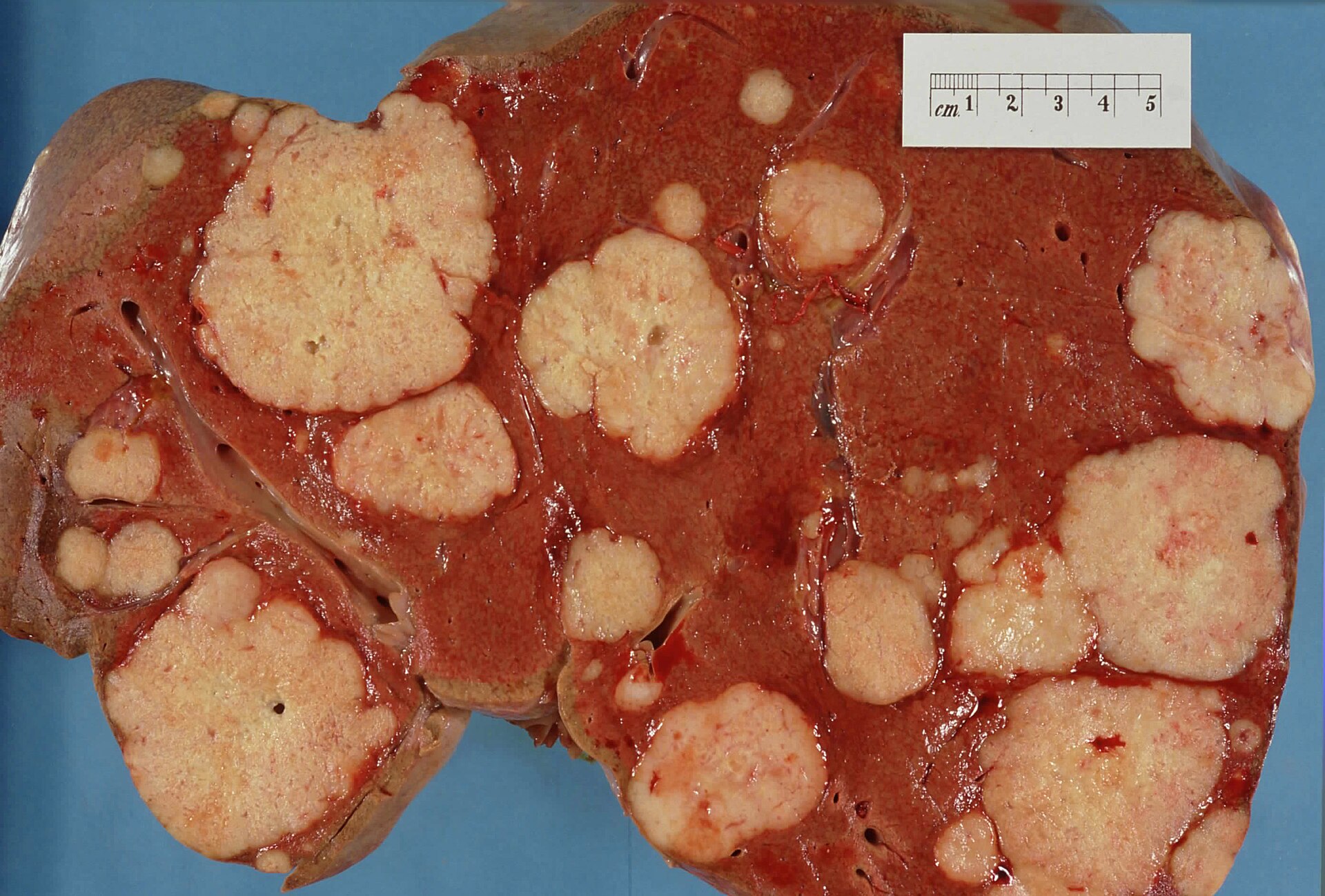
Medical experts are describing a new daily medication as the most significant advance in pancreatic cancer treatment in decades. The drug, known as daraxonrasib, appears to shrink or eliminate tumours in patients with one of the deadliest forms of the disease. Early clinical trials revealed that cancer became undetectable on scans for one in 12 participants who received the pill alongside standard chemotherapy.
Daraxonrasib Trial Results
The study involved 61 patients recently diagnosed with advanced pancreatic cancer that had spread to other parts of the body. Over an average follow-up period of 18 months, tumours stopped growing in nearly all participants. More than 60 percent of the patients experienced a reduction in tumour size or complete disappearance of the cancer mass.
Dr. Wungki Park from Memorial Sloan Kettering Cancer Center, who is involved in the trial, noted that the results were extremely encouraging. He stated that the team is seeing not only higher response rates but also deeper responses and a near doubling in the duration of disease control. These metrics suggest the potential for longer survival, although researchers emphasize that the drug is not yet a cure.
Dr. Sam Godfrey of Cancer Research UK called the findings the biggest leap forward in decades for patients. He explained that the drug has found a way to target what was previously considered undruggable. This progress addresses a long-standing gap in treating pancreatic cancer, which has the lowest survival rate of all common cancers in the United Kingdom.
Targeting KRAS Mutations
Daraxonrasib functions as a KRAS inhibitor. It works by binding to and shutting off specific genetic mutations known as RAS. These mutations are present in the majority of pancreatic cancers and drive the rapid growth of tumours. The drug has already received approval in the United States for certain indications.
Because similar RAS mutations occur in other types of cancer, including lung and ovarian cancer, the medication could potentially benefit a wider range of patients. Dr. Godfrey expressed hope that the early success seen in pancreatic cancer could be extended to these other diseases through further research.
Professor Elena Garralda, who chairs a European cancer conference where the work is being presented, highlighted that the combined treatment could significantly improve overall survival. It may also extend the time before tumours begin to grow again. However, doctors stress that longer studies are necessary to determine if the cancers can be put into long-term remission.
Statistics from Cancer Research UK indicate that there are approximately 11,500 diagnoses of the disease in Britain each year, resulting in around 10,200 deaths. Symptoms often include jaundice, itchy skin, unexplained weight loss, and fatigue. Most patients with advanced disease survive only months rather than years, making any extension of life highly valuable.
The next phase of research will focus on larger patient groups to confirm these initial findings. Scientists aim to understand how long the drug can keep the disease at bay and whether it can lead to permanent remission in more cases.
Source: BBC
