


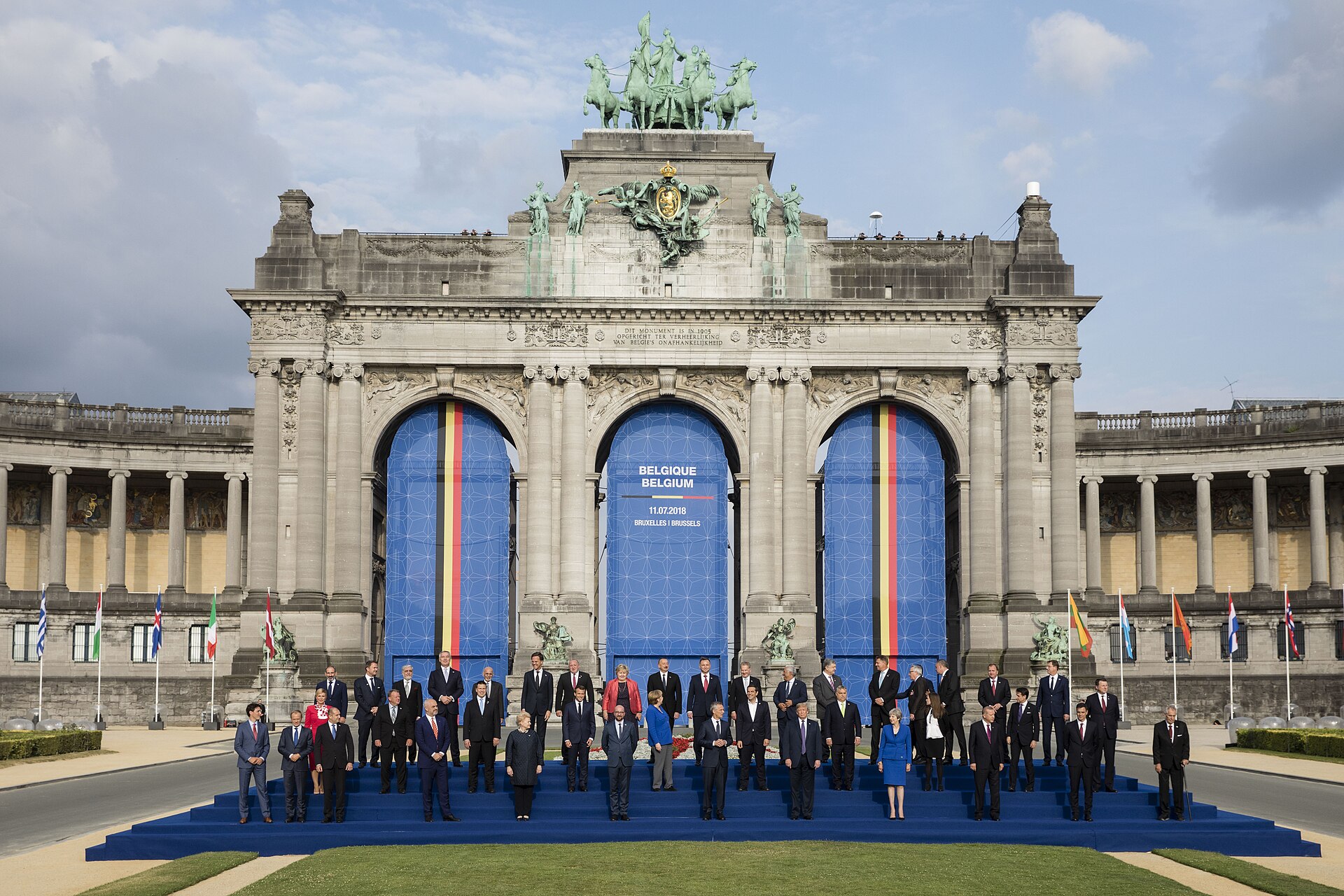
London and Brussels are preparing to sign a series of agreements aimed at resetting relations between the United Kingdom and the European Union. The upcoming summit in Brussels marks the second major meeting between British and EU leaders since the UK formally left the bloc in 2020. This time, the focus is on concrete steps to repair ties a decade after the Brexit vote.
Trade and Emissions Agreements
Prime Minister Andy Burnham will meet with European Commission President Ursula von der Leyen and European Council President Antonio Costa on Friday. The talks are expected to result in deals on food safety, emissions trading, and youth mobility. Burnham has acknowledged that the UK has lost more than it gained from Brexit, a sentiment that has driven the push for a reformed relationship with Brussels.
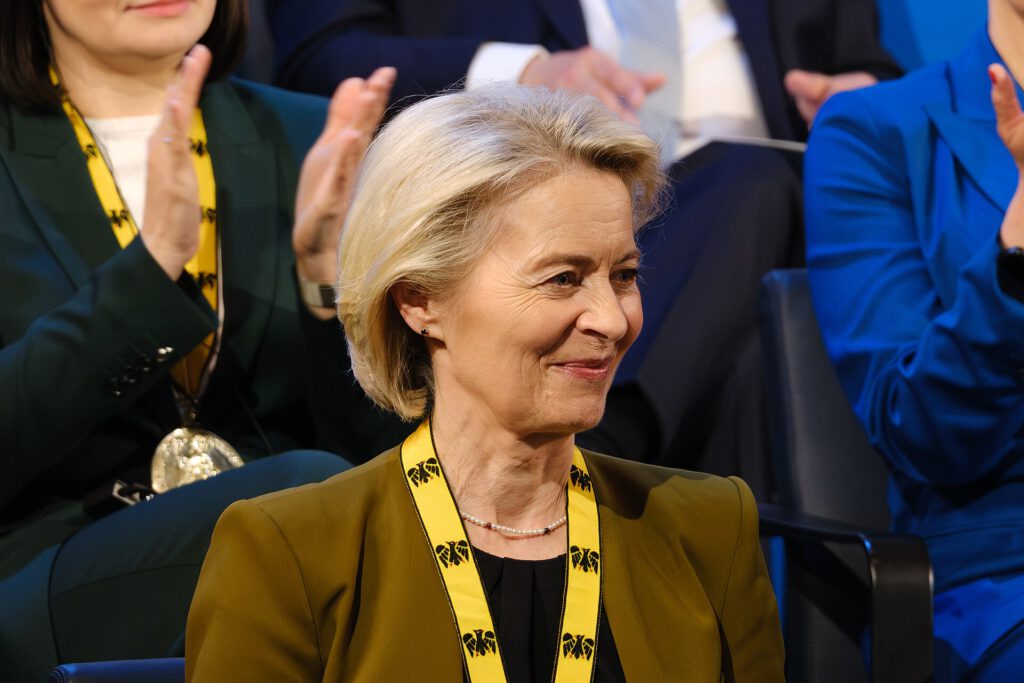
The most significant economic agreement concerns the cross-border exchange of animals, plants, and related products. The UK government estimates that removing current controls could generate 5.1 billion pounds ($6.7bn) annually. This figure highlights the potential economic benefit of aligning regulatory standards between the two sides.
Another key area is the emissions trading system. A potential deal would see London and Brussels mutually exempt each other from carbon border levies on goods such as steel. This move would simplify trade for heavy industries and reduce administrative burdens for exporters on both sides of the Channel.
Youth Mobility and Education Terms
A major component of the reset involves youth mobility. The agreement would allow 100,000 people from the EU to live and work in the UK for up to three years, and vice versa. This number is double the initial UK proposal, indicating a compromise reached during negotiations. The scheme aims to facilitate cultural exchange and address labor shortages in specific sectors.
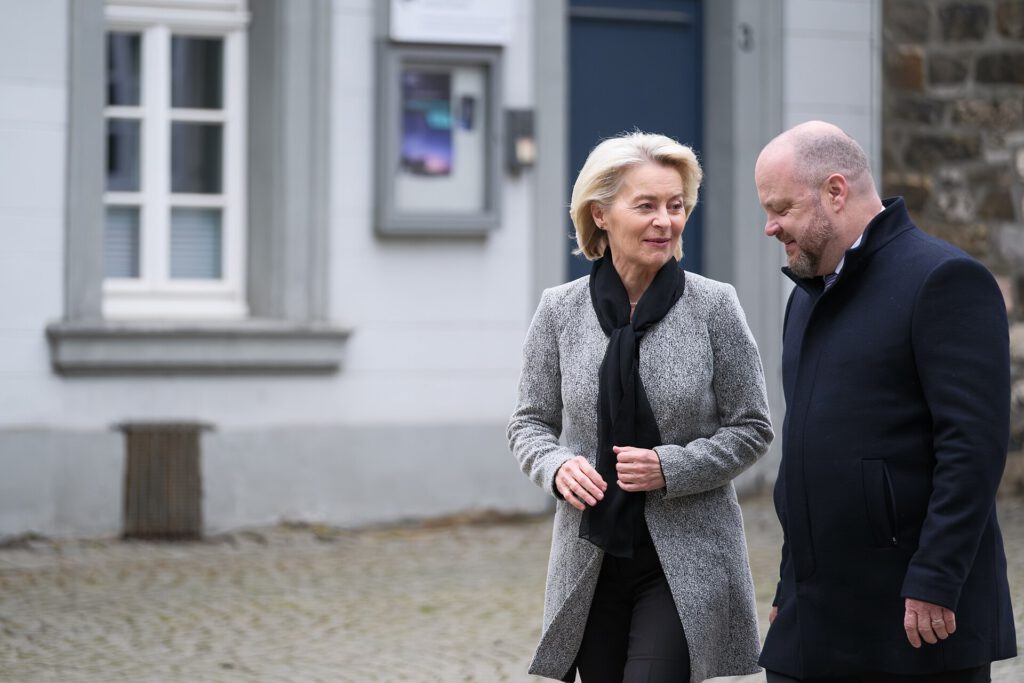
Education remains a contentious issue. The EU is pushing for students to qualify for “home fees” at British universities, which are often one-third of the international price. London has only agreed to apply “significantly reduced” fees, falling short of full parity. This compromise reflects the political sensitivity of tuition fees in the UK.
The UK is also seeking inclusion in the EU’s “Made in Europe” rules. Brussels has indicated openness to this, but it would require the UK to accept EU policies. This condition poses a challenge for Burnham, given the significant Eurosceptic population in the UK. Nigel Farage, leader of the Reform UK party, has accused Burnham of a Brexit “betrayal,” arguing that political union is unnecessary for good business relations.
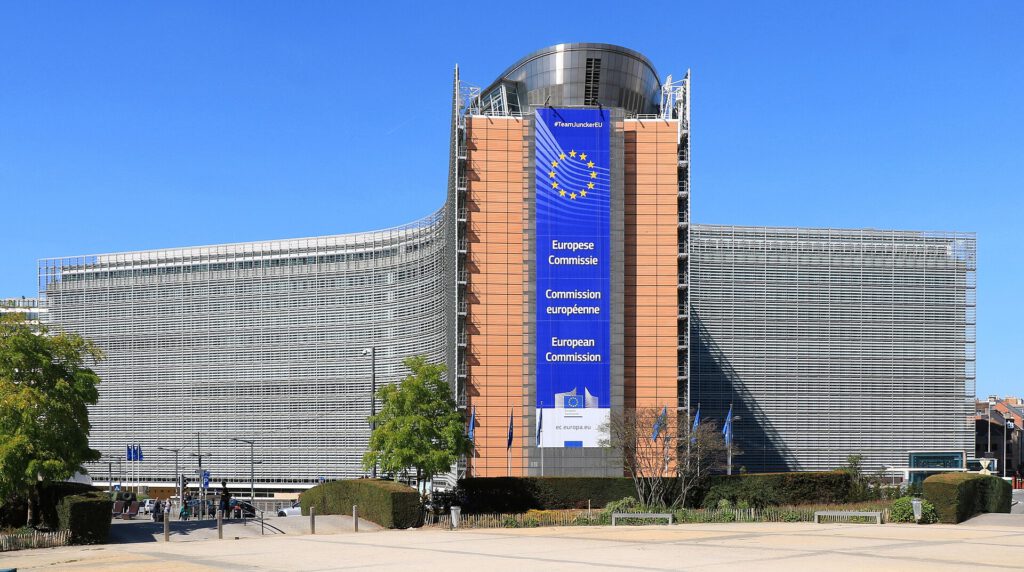
The previous summit in 2025 was billed as establishing a “stable foundation” for rebuilding ties. Friday’s meeting is being sold as a chance to start on a reset of relations. The outcome of these talks will likely influence the political landscape in both the UK and the EU for years to come.
Source: Al Jazeera
