


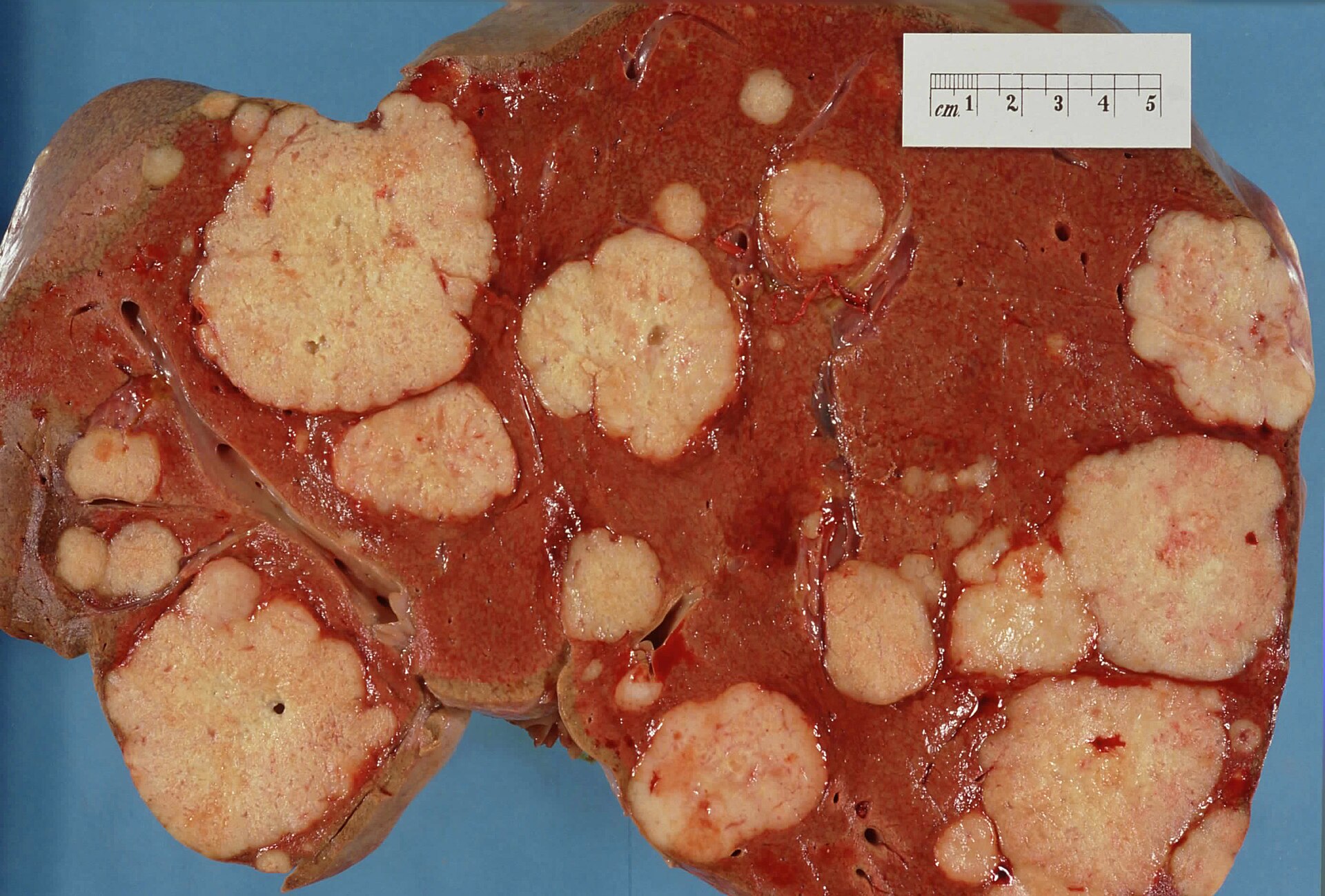
A new oral medication for pancreatic cancer has demonstrated significant tumour reduction in a clinical trial, prompting experts to describe the results as a major medical advancement. The drug, known as daraxonrasib, stopped tumour growth in 90% of participants and led to undetectable cancer levels in one in 12 patients.
Dr Wungki Park, a gastrointestinal medical oncologist at Memorial Sloan Kettering Cancer Center in New York, presented the findings at the EORTC-NCI-AACR Symposium in Barcelona. He described the results as the closest approach to a cure he has witnessed for advanced disease.
Daraxonrasib Trial Outcomes
The trial involved 61 patients who had recently been diagnosed with advanced pancreatic cancer that had spread to other parts of the body. Participants were treated with the pill for an average of 18 months. During this period, more than 60% of patients experienced tumour shrinkage or disappearance. For approximately 8% of the group, CT scans showed no detectable cancer.

Survival rates also improved compared to standard chemotherapy alone. One year after starting treatment, 76.6% of patients were still alive. In contrast, survival rates for patients receiving only chemotherapy typically range between 40% and 45% at the one-year mark.
Dr Park noted that the duration of disease control appeared to nearly double compared to previous standards. He stated that seeing disease disappear on scans over an average of 18 months was incredible and represented a near-complete remission.

KRAS Inhibitor Mechanism
Daraxonrasib functions as a KRAS inhibitor. It works by binding to and shutting off specific genetic mutations found in most pancreatic cancers. These mutations are responsible for driving tumour growth. By targeting this mechanism, the drug aims to halt the progression of the disease.
Researchers believe this approach could potentially treat dozens of other cancer types. Many other malignancies share similar KRAS gene mutations, suggesting the treatment might have broader applications beyond pancreatic cancer.
Michelle Mitchell, chief executive of Cancer Research UK, acknowledged the need for further research. She described the results as the biggest leap forward in decades for pancreatic cancer patients. She added that the findings raise the possibility of treating other cancers with Kras gene mutations, though more trials are required before the treatment can be assessed for use on the NHS.
Doctors caution that the pill is not yet considered a cure. It is unknown how long the drug can keep the disease at bay or if the remission will be permanent. Longer studies are planned to determine if any cancers can be fully put into remission. Pancreatic cancer remains one of the deadliest forms of the disease, with only about 3% of patients surviving five years after diagnosis when the cancer has spread.
Source: The Guardian
