


Mark McDonald, the lawyer representing Lucy Letby, has called for an immediate review of her convictions after it was revealed that a crucial expert witness in her prosecution was barred from clinical practice. The revelation centers on Professor Peter Hindmarsh, who provided testimony that two infants were poisoned with insulin, evidence that was central to the jury’s verdict.
McDonald submitted an application to the Criminal Cases Review Commission (CCRC), the UK’s independent body responsible for investigating potential miscarriages of justice. He argues that the failure to disclose material information about Hindmarsh’s professional standing raises fundamental questions about the safety of the convictions.
Undisclosed Clinical Restrictions
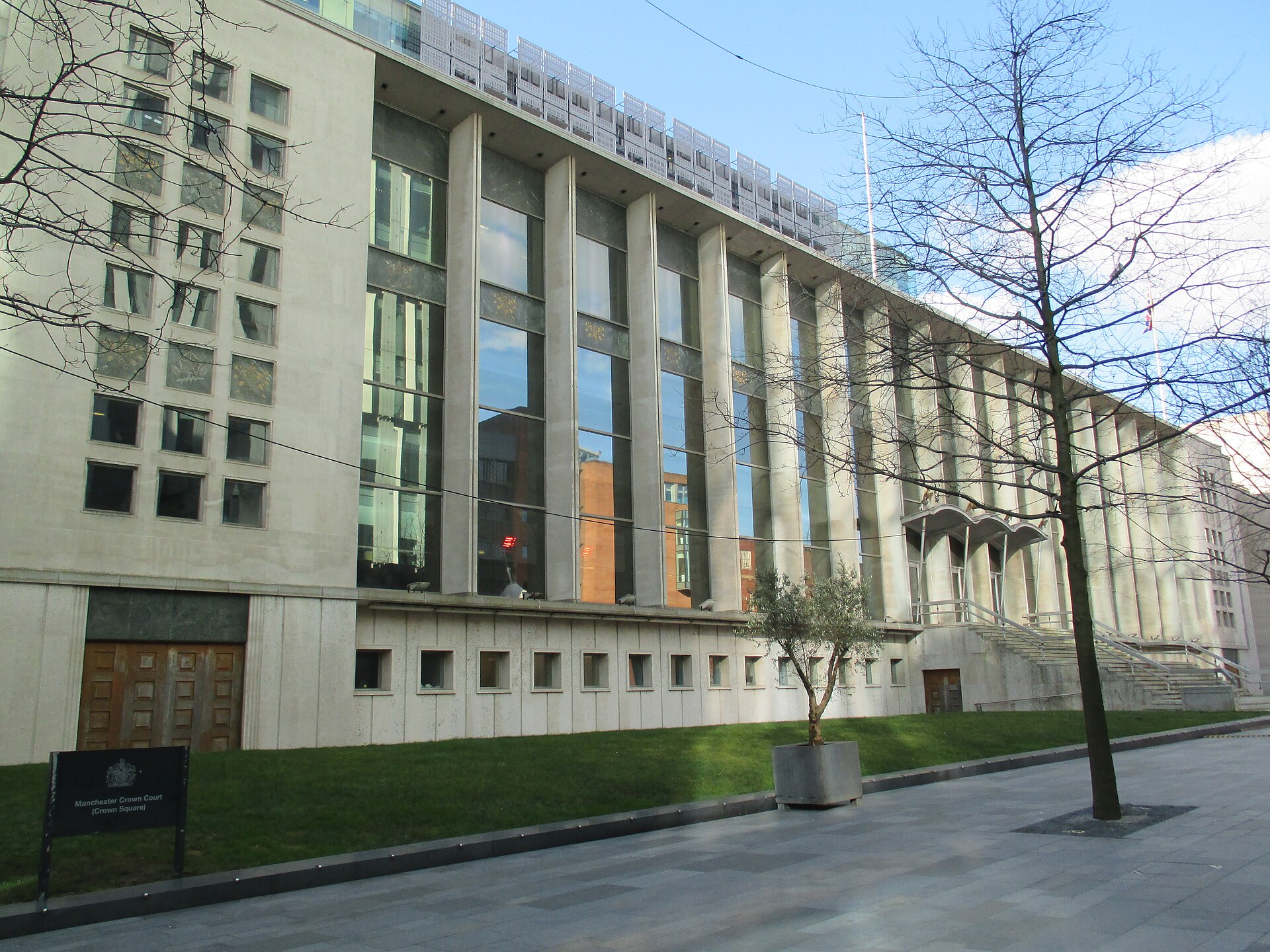
While the trial was underway at Manchester Crown Court, Hindmarsh’s employer, University College London Hospitals NHS Foundation Trust, determined he was unsafe to treat children in relation to insulin. In March 2023, the trust barred him from clinical practice and reported these safety concerns to the General Medical Council (GMC).
The jury was never informed of this restriction. Furthermore, they were not told about an April 2023 tribunal ruling that imposed direct supervision on his clinical work, nor that his contract at Great Ormond Street Hospital had been terminated the previous July. The Crown Prosecution Service (CPS) confirmed it was not informed of these developments.

“These revelations about Prof Hindmarsh, and the failure to disclose material information about him to the defence at trial, raise fundamental questions,” McDonald said. “It is more urgent than ever that the court of appeal re-examines the safety of all Lucy Letby’s convictions.”
Legal Standards and Expert Credibility
Hindmarsh was described by lead prosecution barrister Nick Johnson KC as “the pre-eminent expert” in the narrow field of insulin. His opinion that insulin had been administered to two babies was pivotal in securing convictions for attempted murder. Letby was subsequently sentenced to 15 whole-life terms for murdering seven infants and attempting to murder seven others.
Legal experts note that the non-disclosure of such information could constitute grounds for appeal. Tim Green KC, a specialist in disclosure, stated that if relevant material undermining an expert’s opinion was not shared with the defence, it could form part of the grounds for an appeal. The weight of this non-disclosure would depend on its potential impact on the jury’s verdict.

Pete Weatherby KC, a barrister with extensive trial experience, emphasized that expert evidence was pivotal in the Letby prosecution because there was no direct forensic evidence linking her to the crimes. He noted that serious concerns about an expert’s conduct or judgment are highly relevant to assessing their credibility and the reliability of their evidence.
The criminal procedure rules, introduced in 2014, require expert witnesses to disclose any disciplinary proceedings that might undermine their opinion or detract from their impartiality. These rules were established following previous miscarriages of justice, such as the case of Sally Clark, where undisclosed medical evidence led to a wrongful conviction.
Dozens of leading medical and scientific experts have submitted reports to the CCRC arguing that the prosecution’s medical case, including Hindmarsh’s evidence, was flawed. Hindmarsh’s representative declined to comment on whether he failed to disclose the March and April developments to the police. Cheshire Constabulary, which instructed him in the case, also declined to comment.
Source: The Guardian
