


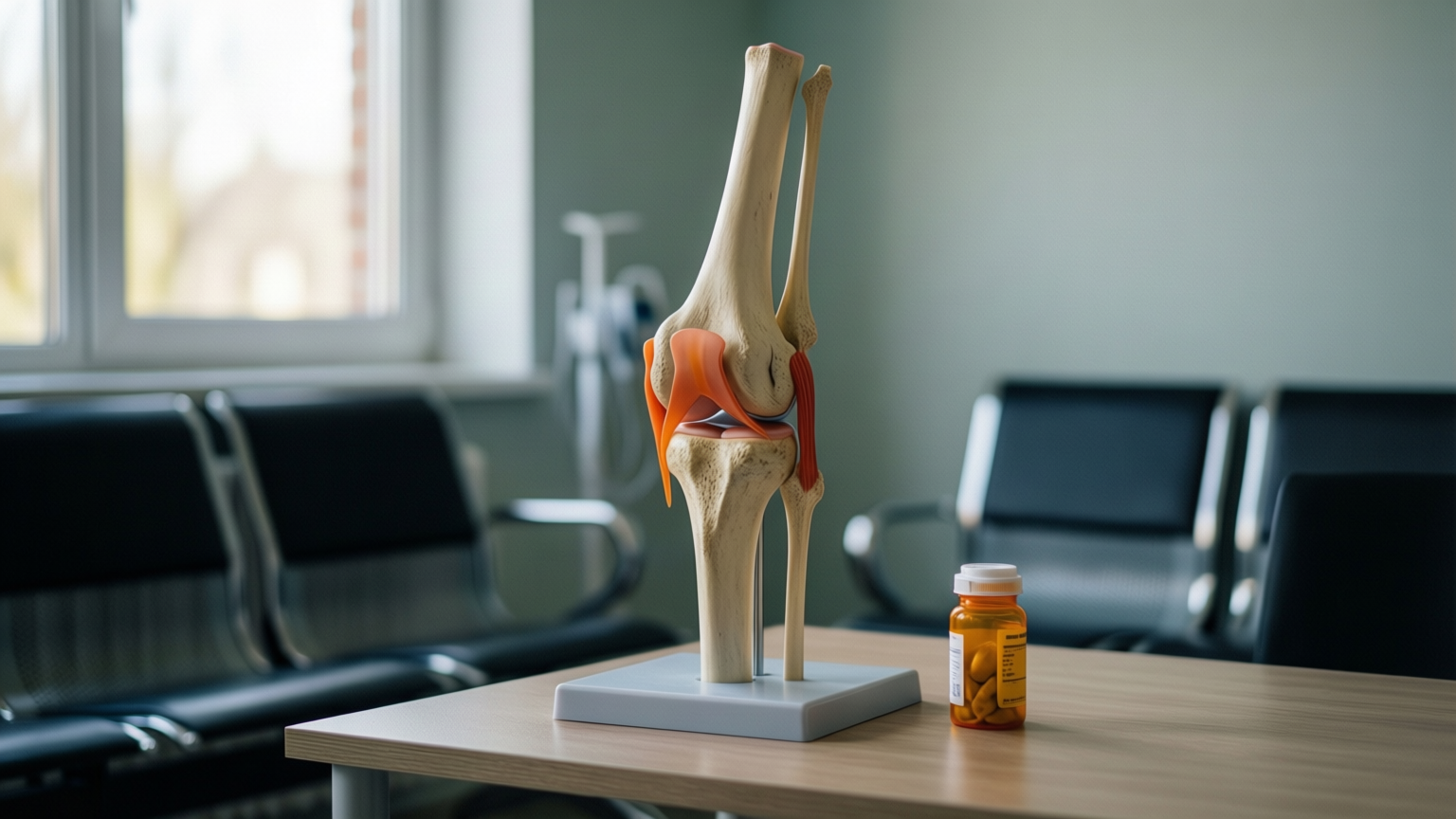
For millions of Americans living with painful knee osteoarthritis, everyday movements like climbing stairs or standing up from a chair can be excruciating. Excess body weight places additional stress on these joints, worsening the condition. Two major phase 3 clinical trials led by Northwestern University suggest that retatrutide, an experimental injectable weight-loss medication, offers substantial relief for these patients.
Published in the New England Journal of Medicine on November 8, the studies involved more than 1,000 participants. The results indicate that patients receiving the highest dose of retatrutide lost an average of 25% of their body weight. When researchers combined data from both trials, they found that approximately two-thirds of participants treated with the drug reported a reduction in knee pain of at least 50%. In contrast, only 38% of those given a placebo experienced similar relief.
Retatrutide Knee Pain Reduction and Weight Loss
Retatrutide is developed by Eli Lilly and administered as a once-weekly injection. It differs from existing GLP-1 medications like semaglutide and tirzepatide by activating receptors associated with three different naturally occurring hormones. While other drugs in this class typically produce weight reductions of 10% to 20%, retatrutide achieved reductions of 20% to 25% depending on the dosage.
Dr. Thomas Schnitzer, a professor at Northwestern University Feinberg School of Medicine and the study’s corresponding author, noted that the findings highlight a clear connection between weight loss and pain relief. “The findings are really saying for people who are overweight and have OA, if you lose a significant amount of weight with this treatment, there is a good chance that you’re going to get a meaningful reduction in your knee pain,” Schnitzer said. He added that reducing the load on the knees allows patients to increase their physical function.
Beyond pain and weight metrics, participants also showed improvements in blood pressure, blood lipid levels, and systemic inflammation. These results were presented by Philip Conaghan, a study co-author from the University of Leeds, at the American College of Rheumatology annual meeting in Orlando, Florida.
Limitations and Future Research Directions
Knee osteoarthritis affects approximately 15 million Americans, or 5% of the population. Current treatments range from physical therapy and topical medications to oral anti-inflammatories and corticosteroid injections. While lifestyle changes such as diet and exercise can help, losing more than 10% of body weight through these methods alone is often difficult, especially for individuals whose pain limits their ability to exercise.
Schnitzer emphasized that lifestyle modifications should remain the first line of defense. These strategies avoid the side effects associated with GLP-1 drugs, which can include gastrointestinal issues and muscle loss. Maintaining muscle strength is critical for knee osteoarthritis patients, as the muscles surrounding the joint provide essential support and stability.
Several questions remain unanswered regarding the long-term impact of retatrutide. Researchers do not yet know if the drug slows the underlying progression of osteoarthritis or reduces the likelihood of needing knee replacement surgery. Individuals who had already required knee replacements were excluded from the trials. Additionally, it is unclear whether the drug benefits patients with knee osteoarthritis who are not overweight, as these individuals were not included in the study.
Scientists are also investigating how much of the pain relief stems directly from weight loss versus the drug’s anti-inflammatory properties. “Whether cutting down inflammation in the joint is also important in addition to reducing load needs more research,” Schnitzer said. The study utilized the Western Ontario and McMaster Universities Arthritis Index (WOMAC) Pain index to evaluate symptom changes, with participants recording daily pain levels via a mobile app.
Source: ScienceDaily
