


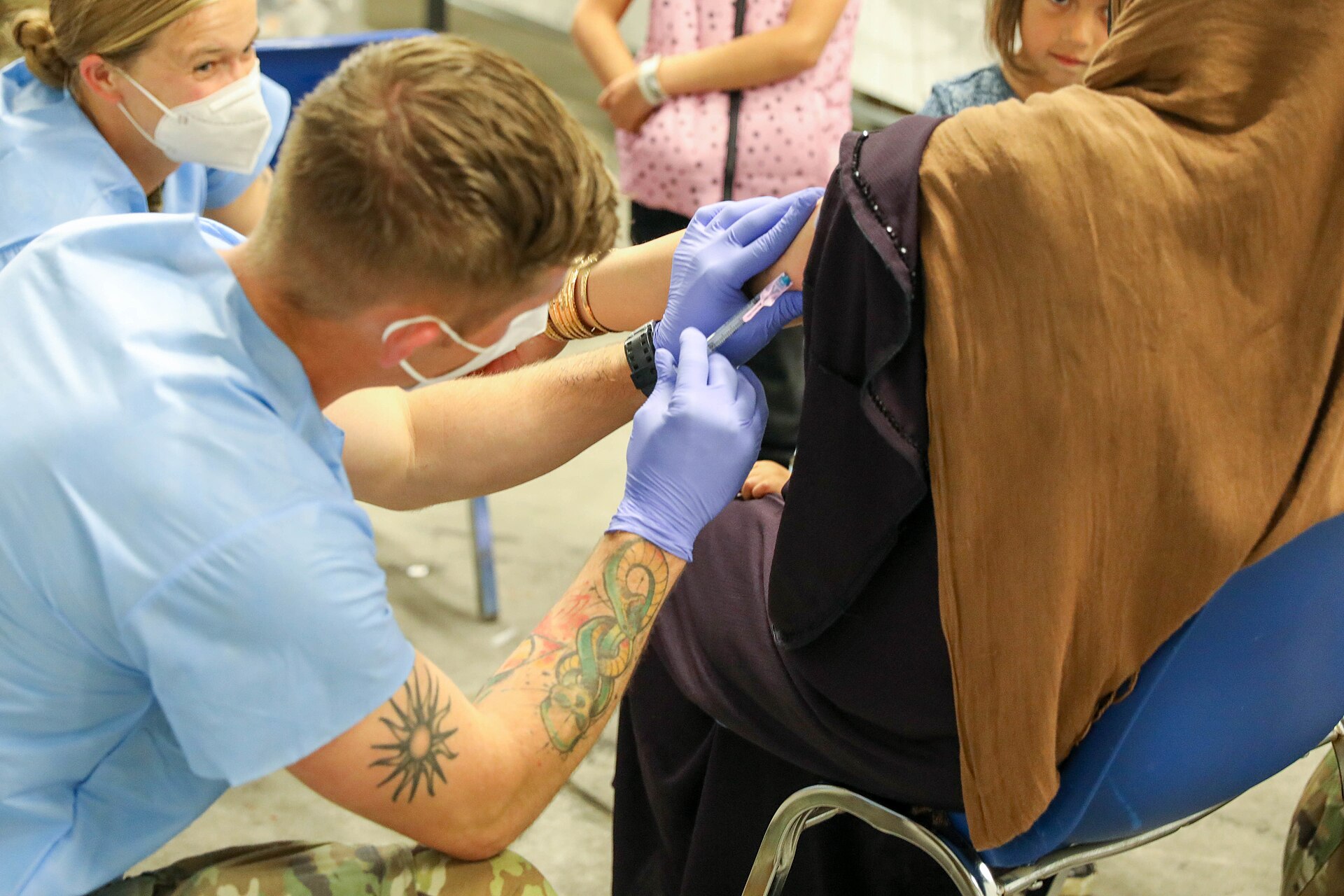
The United States, Mexico, and Bolivia have officially lost their measles-free status, joining a growing list of nations where the once-controlled virus is spreading again. International health officials confirmed the change this week, marking a significant reversal for countries that had previously eliminated the disease. The loss of this status occurs when a specific strain of measles spreads continuously within a border for more than a year.
This development places these three nations in the same category as the UK, Canada, Austria, Armenia, Spain, Azerbaijan, and Uzbekistan, which lost their elimination status earlier this year. The trend highlights a global decline in vaccination coverage, driven by pandemic disruptions, misinformation, and a generational forgetting of the disease’s severity.
Global Vaccination Rates Stall Below Safety Threshold
Measles remains one of the most contagious viruses known to medicine. It lingers in the air for up to two hours after an infected person leaves a space, and up to 90% of unprotected individuals exposed to the virus will contract it. To prevent outbreaks, public health experts maintain that at least 95% of a population must be vaccinated to achieve herd immunity.
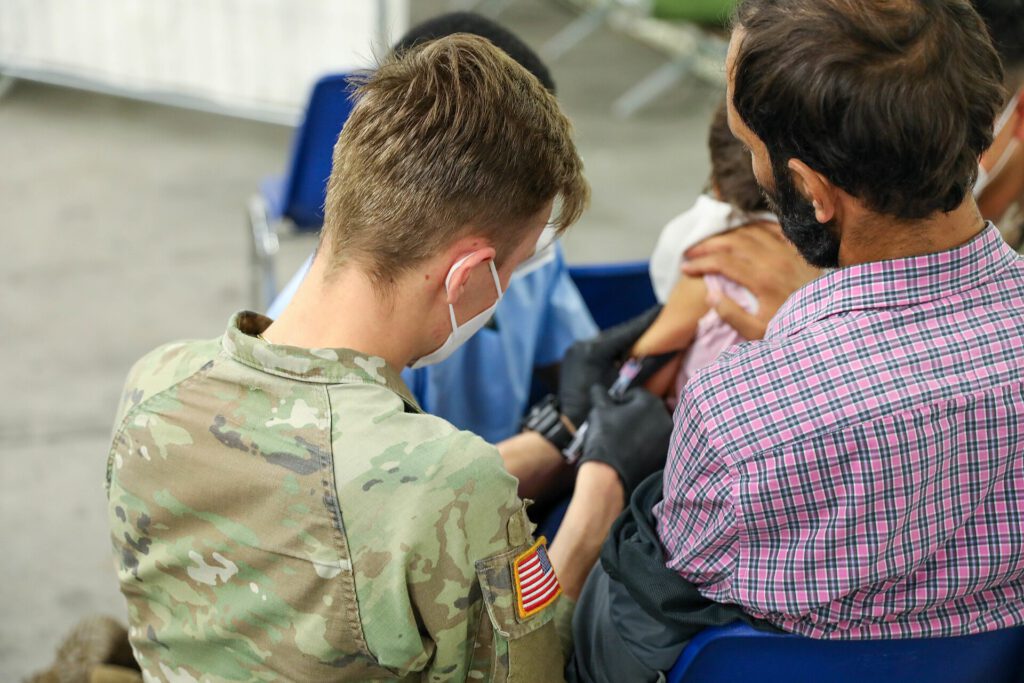
Current data shows that global measles vaccination rates have stalled well below this critical level. In 2025, only 84% of eligible children received a first dose of the measles vaccine. Coverage for the second dose dropped further to 77%. This gap leaves millions of children vulnerable, particularly those who cannot be vaccinated due to compromised immune systems or age restrictions.
Catherine Russell, executive director of Unicef, emphasized the preventable nature of the crisis. “We are seeing measles cases in places where the disease was under control, and children are paying the price,” Russell said. She noted that the measles vaccine has saved nearly 59 million lives since 2000, making the current resurgence a failure of policy and access rather than a lack of medical solutions.
Health Systems Strain Under Resurgent Outbreaks
The clinical impact of measles is severe, particularly for young children. The virus attacks the lungs and airways, often triggering pneumonia. In Uganda, Dr. Eric Wobudeya, a senior consultant paediatrician at Mulago National Referral Hospital, treats infants who are struggling for oxygen after infection. “These are children who are dying,” Wobudeya said. “They are struggling for oxygen.”
Measles also weakens the immune system for months or years, leaving survivors susceptible to other infections. Complications can include brain damage, hearing loss, and blindness. The World Health Organization estimated that 11 million people contracted measles in 2024, with 95,000 deaths recorded. Most victims were under the age of five.
In the Democratic Republic of the Congo, health authorities are battling measles simultaneously with an Ebola outbreak. In Bangladesh, a massive outbreak has resulted in nearly 240,000 suspected cases and 1,282 deaths since March. Dr. Duot Kezekiah, a surgeon in South Sudan, noted that high poverty levels and low food security increase the risk of severe complications for children in these regions.
Misinformation and Access Barriers Drive Decline
Experts identify multiple factors contributing to the decline in vaccination uptake. In the United States, health officials have faced challenges from anti-vaccine narratives. Health Secretary Robert F. Kennedy Jr. has publicly questioned the safety of the MMR vaccine, reviving discredited claims about a link to autism. Dr. Boghuma Titanji of Emory University warned that these narratives risk being exported to other countries, potentially undermining global vaccine confidence.
However, misinformation is not the only barrier. Professor Alex Richter of the University of Birmingham pointed out that many people no longer remember how dangerous measles can be. When a disease becomes rare, the public underestimates its risks. Practical issues such as language barriers, unstable housing, and difficulties booking appointments also prevent families from accessing care.
The situation is further complicated by funding cuts. Dr. Ben Kasstan-Dabush of the London School of Hygiene & Tropical Medicine warned that major cuts to global health funding from wealthy nations could hinder efforts to identify and vaccinate undervaccinated children. The pandemic already disrupted routine programs, creating a backlog that requires intense catch-up efforts.
Despite the grim outlook, losses in measles elimination status can be reversed. The Reach consortium, led by the International Rescue Committee, has successfully negotiated with governments and de facto authorities to vaccinate over one million children in conflict-affected areas of Chad, Nigeria, Ethiopia, Sudan, South Sudan, and Somalia since 2022. Dr. David Hughes of the University of St Andrews stressed that protecting against measles is a collective responsibility that requires easier access to vaccines and a challenge to misinformation.
Source: The Guardian
