


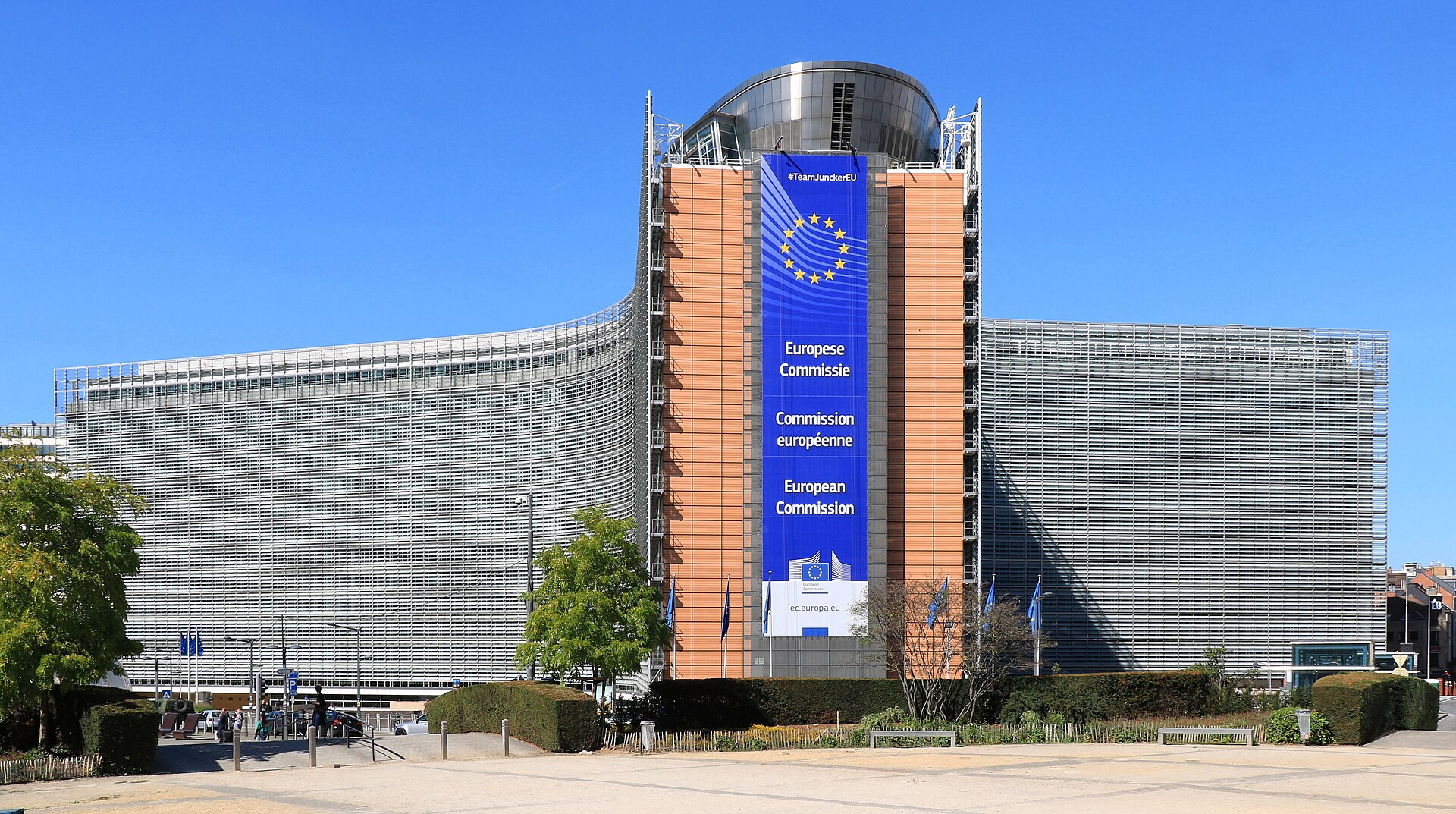
The United Kingdom has finalized a series of new agreements with the European Union covering trade standards and youth mobility, marking a significant shift in post-Brexit relations. Foreign Secretary Ed Miliband stated that the door remains open for broader discussions, including the possibility of the UK rejoining the bloc, in future informal talks.
Prime Minister Andy Burnham described the announcements as a “good day for Britain and Europe.” The agreements, which were finalized after intensive negotiations this week, include provisions for food and drink export standards, participation in the EU emissions trading system, and a new youth mobility scheme.
Trade and Economic Impact
Under the new arrangements, 100,000 young British citizens will be permitted to live, work, study, and travel within the EU. The scheme offers reciprocal access for European nationals wishing to do the same in the UK. Burnham estimated that these measures would add 0.5% to the UK’s gross domestic product, representing a £17 billion boost to the national economy.
Environment Secretary Angela Eagle told BBC Radio 4 that the deals would benefit British farmers by opening new markets and reducing border friction. “This is a win-win for the UK,” she said, noting that the agreements would dissolve many of the costs and delays previously faced by the agricultural sector.
Burnham confirmed that the legislation implementing these changes would be introduced to parliament next week. He emphasized that the deal was complete and written in black and white, addressing key concerns regarding economic growth, the cost of living, and youth opportunities.
Future Relations and Rejoining Talks
While the current agreements are limited to specific sectors, Miliband indicated that the relationship between London and Brussels is likely to evolve further. He stated that Burnham would engage in “brainstorming” discussions with EU leaders in Brussels over the next year to determine the next steps.
When asked if the UK rejoining the EU was a possibility, Miliband said “all options” would be examined. “We will look at the benefits and the costs of all the different options,” he told the BBC. However, he clarified that the current Labour government, which entered office in 2024, remains bound by its manifesto commitments. These include remaining outside the single market and customs union, and ruling out freedom of movement.
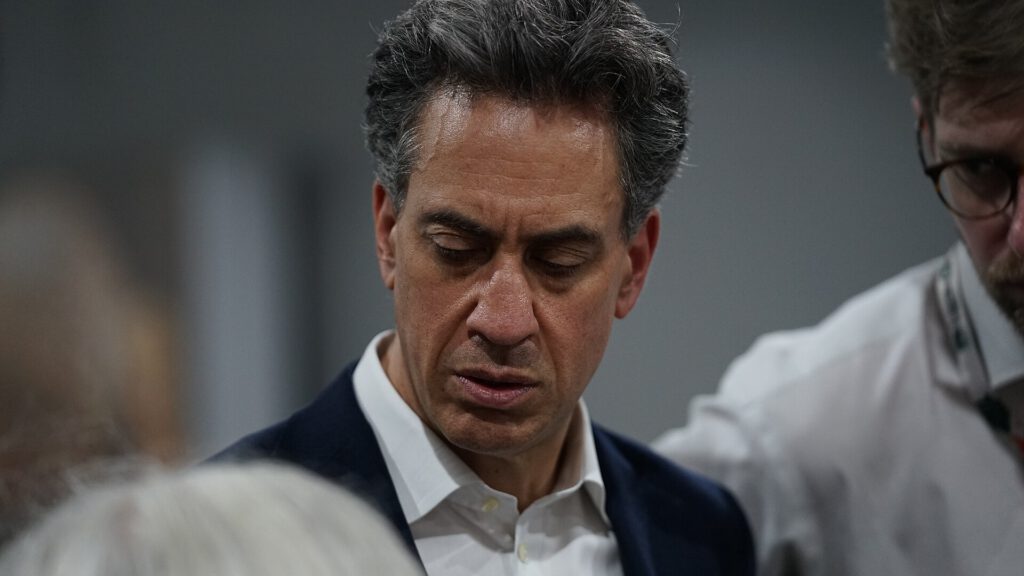
Burnham has previously expressed a desire to see the UK rejoin the EU within his lifetime. The prime minister is expected to outline a 10-year plan before Christmas, which will explore how the UK can get closer to the bloc after the next general election. Informal discussions with Brussels are scheduled to take place before the next UK-EU summit.
Student Fees Dispute
The new agreements face potential delays due to a disagreement over university tuition fees. The EU has threatened to block the deals unless the UK allows European students to pay domestic-level fees at British universities. Miliband denied that the trade and youth mobility agreements were contingent on resolving this issue.
He insisted that the deals on food exports, energy, and youth mobility would proceed as planned, with implementation dates set for 2028. Legislation to enable these changes will be introduced to parliament next week regardless of the outcome of fee negotiations.
European Commission President Ursula von der Leyen expressed confidence that a solution to the fee dispute would be found. She welcomed the prospect of further brainstorming discussions, stating, “Count on us.”
Miliband acknowledged that the political landscape has changed significantly since the UK voted to leave the EU in 2016. “The world has changed massively,” he said. “Europe is changing too, so we’ve got to look at what that means.” He added that while the current parliament respects the red lines set out in the Labour manifesto, the government is committed to exploring new avenues for cooperation.
Source: The Guardian
